
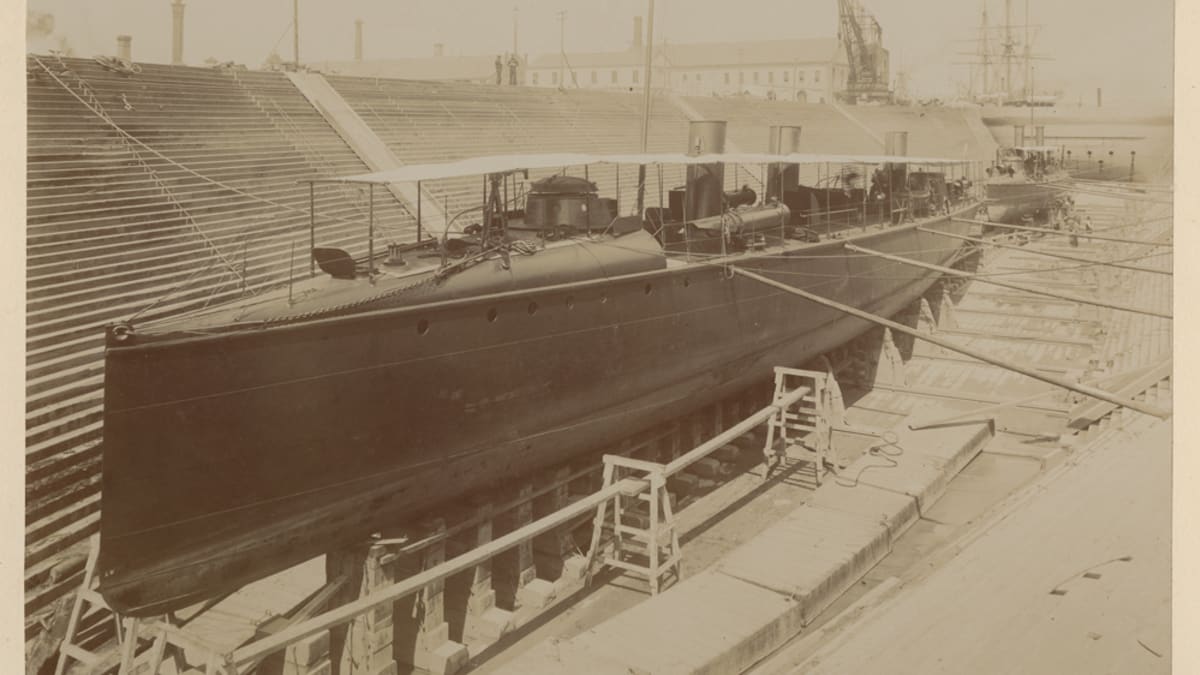
Herreshoff Marine Museum
1 Burnside Street
Bristol, RI
The waterfront shops where a nearly blind genius and his brother built the fastest boats in the world and defended the America's Cup eight straight times.
The Herreshoff Marine Museum stands on the Bristol waterfront where the Herreshoff Manufacturing Company built boats that changed sailing. Between 1893 and 1920 the company produced eight straight America's Cup defenders, an unbroken winning streak no other builder has ever matched, and the museum gathers the yachts, half-models, engines, and photographs that tell how a small Rhode Island shop came to dominate the fastest sport on the water.
At the heart of the story are two brothers. John Brown Herreshoff was blind from his teens yet ran the business and could judge a hull by running his hands over it. His younger brother Nathanael Greene Herreshoff, known as Captain Nat and later as the Wizard of Bristol, was the design genius, an MIT-trained engineer who carved wooden half-models by eye instead of drafting on paper and produced boats decades ahead of their rivals.
What Travelers Love
- Standing beside towering America's Cup yachts and sleek wooden daysailers under one roof
- The story of Nathanael Herreshoff, the Wizard of Bristol, who designed largely by feel and model
- The America's Cup Hall of Fame and its trophies, half-models, and racing history
- A working waterfront setting where the actual Herreshoff Manufacturing Company once stood
Worth Knowing
- The museum is seasonal, with the fullest access in the warmer months, so check ahead before a winter trip
- It is an easy pairing with a walk along Bristol Harbor and the town's historic Hope Street
- Sailing programs and on-water experiences run in summer and fill quickly
- Bristol overflows on the Fourth of July, when the nation's oldest Independence Day parade takes over the town
Learn about Herreshoff Marine Museum
The Wizard of Bristol
Nathanael Herreshoff trained as a mechanical engineer at MIT and spent years designing steam engines before turning fully to boats. What set him apart was his method. Rather than drawing plans first, he shaped a wooden half-model of the hull by hand and eye, then measured that model to build the full-size boat. Many of those half-models survive in the museum, a wall of them, and they are the closest thing to a record of how his mind worked.
He was a relentless innovator. He is credited with advances in hull form, lightweight construction, winches, and rigging that racing sailors still rely on. He also designed the crossed-flag signal and other fittings that became standard. His brother John Brown Herreshoff, blind from an eye disease in his teens, handled the company's business and could famously inspect a finished hull by touch, catching flaws with his hands that others missed with their eyes.
Eight defenses of the America's Cup
The America's Cup is the oldest trophy in international sport, and for nearly three decades the boat defending it for the United States was almost always a Herreshoff. From Vigilant in 1893 through Resolute in 1920, the Bristol shops turned out eight consecutive winning defenders, including the giant Reliance of 1903, a boat so extreme it carried an enormous cloud of sail on a hull pushed to the limits of what wood and bronze could hold.
These were the largest and most expensive racing yachts of their age, built for wealthy syndicates and sailed by large professional crews. The museum's America's Cup Hall of Fame preserves this era with trophies, models, and the records of the designers, sailors, and afterguards who competed for the Cup, tracing the contest from those towering wooden sloops down to the modern era.
Torpedo boats and everyday sailboats
The Herreshoffs did not only build racing giants. In the 1870s and 1880s the company became a leading builder of fast steam vessels and torpedo boats for the United States Navy and foreign governments, and that engineering discipline carried straight into their sailing yachts.
They also produced beloved small boats that ordinary sailors could own and race, most famously the Herreshoff 12 and a half, a stable, forgiving daysailer designed in 1914 that is still built and raced a century later. The museum's collection runs the full range, from the enormous to the intimate, so you can stand between a Cup defender and the kind of little wooden boat a family might sail on a summer afternoon.
A working waterfront preserved
The museum occupies part of the original company grounds on Bristol Harbor, so the setting itself is part of the exhibit. This is where the boats were designed, built, and launched, and the waterfront still carries the feel of a place that made things.
Bristol grew wealthy in the eighteenth and nineteenth centuries as a shipping and, painfully, a slave-trading port, and that maritime prosperity is why so many grand homes line its streets today. The Herreshoff works belong to the later, prouder chapter of that seafaring story, when the town's name meant the finest boats afloat rather than the cargoes that first built its fortunes.
Closest Boutels
The closest Boutel™ stays, so you can turn this stop into an overnight. Each is a place we chose through independent editorial review, never a paid placement.
Details
Bristol, RI
Frequently asked questions
What is the Herreshoff Marine Museum?
The Herreshoff Marine Museum, in Bristol, Rhode Island, celebrates the extraordinary legacy of the Herreshoff Manufacturing Company, the legendary Bristol boatbuilders who created some of the finest yachts in the world, including celebrated America's Cup defenders. Set on the historic waterfront site of the famous boatworks, the museum displays beautiful classic yachts, sailboats, and craft, along with exhibits on the Herreshoffs' brilliant innovations in boat design and their remarkable string of America's Cup victories. It also houses the America's Cup Hall of Fame. A fascinating tribute to sailing and craftsmanship, it delights maritime enthusiasts. With its historic yachts, the Herreshoff Marine Museum offers a compelling destination in Rhode Island.
What can you see at the Herreshoff Marine Museum?
You can see beautiful classic yachts, sailboats, and historic craft built by the legendary Herreshoff Manufacturing Company, exhibits on their brilliant boat designs and innovations, displays on their many America's Cup victories, and the America's Cup Hall of Fame. The gorgeous classic boats, the story of the master boatbuilders, the America's Cup history, and the waterfront setting are the draws, offering a rich experience for anyone who loves sailing and craftsmanship. The elegant yachts are works of art. With its collection, the Herreshoff Marine Museum offers a rewarding visit in Bristol, Rhode Island.
Why are the Herreshoffs important to sailing history?
The Herreshoffs are important to sailing history because their Bristol boatworks produced some of the finest and most innovative yachts ever built, and their designs defended the America's Cup, sailing's most prestigious prize, in an unmatched series of victories. Their brilliance in engineering and design revolutionized yacht building and left a lasting mark on the sport. The museum, on the site of their famous works, preserves and celebrates this remarkable legacy. Understanding this heritage enriches a visit to the Herreshoff Marine Museum in Rhode Island.
When is the best time to visit the Herreshoff Marine Museum?
The museum generally operates with the fullest access in the warmer months, so late spring through early fall is often the best time to visit, when the waterfront setting is at its most pleasant and boating events may add to the appeal, though the indoor exhibits welcome visitors when open in other seasons. Because hours can be seasonal, checking the current schedule before you go is wise. For the fullest experience, aim for the warmer months and check current hours at the Herreshoff Marine Museum in Rhode Island.
What is near the Herreshoff Marine Museum?
The Herreshoff Marine Museum is on the waterfront in Bristol, Rhode Island, within reach of Colt State Park, Blithewold Mansion, Linden Place, the East Bay Bike Path, and downtown Bristol. That makes the Herreshoff Marine Museum a compelling stop to combine with Colt State Park and the other attractions of Bristol on a visit to Rhode Island.
Nearby
Linden Place
0.4 miles away
It looks like a simple grand house on the parade route, but Linden Place at 500 Hope St carries a heavier story.

Blithewold Mansion, Gardens and Arboretum
0.6 miles away
Garden people travel for this one; casual visitors are stunned to find giant sequoias on the Rhode Island shore.
Colt State Park
1.3 miles away
This former gentlemans farm gives Bristol a broad, open front on Narragansett Bay.
Rocky Point State Park
4.8 miles away
Rocky Point is a shoreline haunted, in the fondest way, by a lost amusement park.
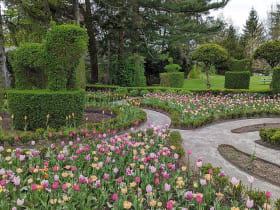
Green Animals Topiary Garden
4.8 miles away
Off the usual Newport circuit, up in Portsmouth on the bay, sits a garden that delights people who did not expect to be delighted.
East Bay Bike Path
5.3 miles away
This is the family bike ride in the East Bay. The East Bay Bike Path is a flat, paved rail-trail running 14 miles from Providence to Bristol, mostly away from cars, so young riders can pedal without t...

Battleship Cove
6.3 miles away
People drive over the Braga Bridge and spot the gray battleship without realizing they can walk right through it.

Crescent Park Looff Carousel
7.6 miles away
This is a genuine piece of amusement-park history kids can actually ride.

Roger Williams Park Zoo
11 miles away
This is the classic family day out in Providence. The Roger Williams Park Zoo, founded in 1872 and one of the oldest in the country, packs elephants, giraffes, zebras, red pandas, and snow leopards in...
Smiths Castle
11 miles away
People drive right past this on Post Road without realizing they are passing one of the oldest houses in America.

Roger Williams Park
11 miles away
This is Providences great green lung, a 435-acre Victorian park laid out in the 1870s in the sweeping pastoral style of the era.

Historic Wickford Village
12 miles away
Wickford is the kind of place people stumble into and cannot believe is not more famous.
Touro Synagogue
13 miles away
Tucked on a side street off Newports colonial core is a building most visitors walk past without knowing its weight.

RISD Museum
13 miles away
Visitors to Providence often walk right past it, but the RISD Museum on Benefit Street rivals museums in far bigger cities.
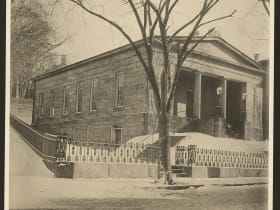
The Providence Athenaeum
13 miles away
Step off Benefit Street into the Providence Athenaeum and you step into 1838.

The Cliff Walk
13 miles away
The Cliff Walk gives kids the best of Newport in one walk: crashing surf on one side, jaw-dropping mansions on the other, and the sense of an adventure along the edge of the sea.
Benefit Street, the Mile of History
13 miles away
Architecture lovers make pilgrimages here, but many visitors never climb the hill to see it.

Rhode Island State House
13 miles away
People photograph its dome from the highway without realizing they can walk right in.

Rosecliff Mansion
13 miles away
One of the loveliest of Newport's Gilded Age summer mansions, a gleaming white palace modeled on the Grand Trianon at Versailles and designed by Stanford White for the silver heiress and society hoste...
Gilbert Stuart Birthplace and Museum
14 miles away
Hardly anyone realizes the face on the dollar bill was painted by a Rhode Islander born in this quiet mill hamlet.
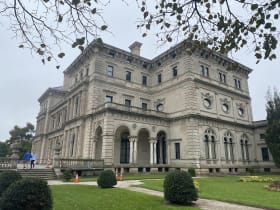
The Breakers
14 miles away
Everyone knows Newport has mansions, but standing inside the Breakers still stops people cold.

Fort Adams State Park
14 miles away
A real fortress to explore turns a history stop into an adventure.
Nathanael Greene Homestead
14 miles away
Plenty of people know Nathanael Greene from a statue or a county named for him, but few realize his actual house survives, quietly, in western Rhode Island.

Slater Park Looff Carousel
15 miles away
Most people driving past Slater Park have no idea one of the great early carousels in the country is turning inside it.

Slater Memorial Park
15 miles away
An easy family park with a hundred things to do and room to run.
Slater Mill
15 miles away
This is the actual birthplace of the American factory, and it is easy to walk past without grasping the weight of it.

Clemence-Irons House
16 miles away
This is architecture you cannot see almost anywhere else in America.
Beavertail State Park
16 miles away
Beavertail is where Conanicut Island runs out of land and drops onto open granite ledges at the very mouth of Narragansett Bay.
Paine House Museum
17 miles away
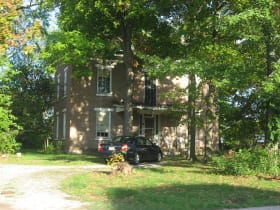
A small, friendly history museum where old-time daily life feels real.
Hearthside House
18 miles away
A stone mansion with a jilted-lover legend, hiding on an old country road most travelers never find.

New Bedford Whaling Museum
18 miles away
Most people know New Bedford only as a name in Moby-Dick, if at all, so the scale of this museum surprises them.
Narragansett Town Beach
18 miles away
This is the easy family beach in Narragansett, a broad crescent of sand right in the middle of town.

Lincoln Woods State Park
19 miles away
This is the green lung just north of Providence, a rocky, wooded park of oak and glacial boulders wrapped around Olney Pond.
The Towers
19 miles away
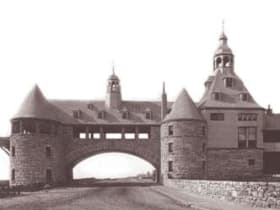
This granite arch spanning Ocean Road is the last piece of an 1880s seaside casino designed by McKim, Mead & White, all that survived a fire in 1900.

Scituate Reservoir
19 miles away
The Scituate Reservoir is the biggest lake in Rhode Island, but it is a drinking-water supply, so you cannot boat, swim, or fish it, and that restriction is exactly what keeps its shoreline so wild an...
North Scituate Village Green
20 miles away
A pretty New England village green that turns into a giant fair once a year.