
Roger Williams Park Zoo
1000 Elmwood Avenue
Providence, RI
Founded in the 1870s and still going strong, one of the oldest zoos in the United States, tucked inside Providence's great Victorian park.
Roger Williams Park Zoo is one of the oldest zoos in the United States, established in the 1870s not long after the land became a public park. For a century and a half it has been the place where Rhode Island children first met an elephant or a giraffe, an institution woven into the memory of nearly everyone who grew up in the state.
What sets it apart from its size is its ambition. Over the past several decades the zoo has reinvented itself, replacing old-fashioned cages with naturalistic habitats and building a national reputation for conservation and breeding of endangered species. It manages a compact, walkable collection with the seriousness of a much larger institution, all inside the leafy Victorian frame of Roger Williams Park.
What Travelers Love
- A walkable, tree-shaded zoo that fits easily into a half day
- Elephants, giraffes, and other large animals in naturalistic habitats
- A strong conservation focus, including work with endangered species
- The setting inside a grand Victorian park, so a visit can pair with the ponds and gardens
Worth Knowing
- The zoo charges admission and keeps seasonal hours; check before a winter visit
- It sits within the larger Roger Williams Park, which is free to walk, so leave time for both
- Summer weekends and school holidays are the busiest times
- Paths are stroller and wheelchair friendly, with plenty of shade in the warmer months
Learn about Roger Williams Park Zoo
The story of the zoo
The zoo grew out of Roger Williams Park itself, which the city of Providence developed after Betsey Williams, a descendant of Rhode Island's founder, gave the land in 1871. Within a few years the park had begun keeping animals, first the deer and small collections common to Victorian pleasure grounds, and it steadily expanded into a true zoo.
For much of the twentieth century it was a modest municipal zoo of the era, with the barred enclosures and menagerie style of its time. The transformation came later, as the institution rebuilt itself around the modern idea of a zoo: naturalistic exhibits, animal welfare, education, and conservation rather than mere display.
That reinvention turned a small city zoo into a nationally respected one. It became deeply involved in captive-breeding and species-survival programs, working with animals whose wild populations are threatened, and its exhibits were rebuilt to give animals room and settings that resemble their native habitats.
Today it remains one of the oldest continuously operating zoos in the country and the most visited cultural attraction in Rhode Island, a rare combination of long history and current relevance.
What you will see
The collection spans the world in a compact footprint. Elephants, giraffes, zebras, and other African animals anchor the larger habitats, while primates, big cats, and a range of smaller mammals, birds, and reptiles fill out the winding paths.
The zoo places particular emphasis on species involved in conservation programs, so a visit often includes animals that are rare or endangered in the wild, presented with the story of the work being done to protect them.
Because the whole zoo sits within a shaded Victorian park, the walk between exhibits is part of the pleasure, past mature trees and glimpses of the park's ponds, making it feel less like a stop and more like an outing.
Conservation and education
Behind the exhibits, the zoo runs an active conservation program, participating in coordinated efforts among accredited zoos to breed and sustain endangered species and, in some cases, to support their recovery in the wild.
Education is the other half of its mission. Generations of Rhode Island schoolchildren have taken their first close look at wildlife here, and the zoo's programs aim to connect city visitors with the animals and the environmental stakes their survival represents.
That dual purpose, welfare and conservation paired with public education, is what has kept a nineteenth-century institution meaningful into the present, rather than a relic of an older idea of what a zoo is for.
Season by season
Spring and early summer are lively, as the weather warms and the animals are active, and the surrounding park comes into leaf and bloom.
Summer is the busiest season, best enjoyed on a weekday or early in the day before the heat and the crowds build; the park's shade and ponds offer relief nearby.
Fall brings cooler air, thinner crowds, and the park's foliage as a backdrop, one of the most pleasant times to visit.
Winter is quiet, with shorter hours and special seasonal events; some animals are more active in the cold, and the adjacent Botanical Center offers a warm green stop on the same grounds.
Closest Boutels
The closest Boutel™ stays, so you can turn this stop into an overnight. Each is a place we chose through independent editorial review, never a paid placement.
Details
Providence, RI
Frequently asked questions
What is the Roger Williams Park Zoo?
The Roger Williams Park Zoo, in Providence, Rhode Island, is one of the oldest zoos in the country and a beloved family destination, set within the beautiful grounds of Roger Williams Park. The zoo is home to a wide variety of animals from around the world, including elephants, giraffes, big cats, primates, and many others, in naturalistic habitats, along with exhibits, a rainforest, and seasonal features. Its long history, diverse animals, and lovely park setting make it a favorite for families and animal lovers. A delightful and historic zoo, it charms visitors of all ages. With its animals and setting, the Roger Williams Park Zoo offers a rewarding destination in Rhode Island.
What animals can you see at the Roger Williams Park Zoo?
You can see a wide variety of animals from around the world, including elephants, giraffes, big cats, primates, and many others, in naturalistic habitats, along with a rainforest exhibit and seasonal features. The diverse animals, the naturalistic habitats, the rainforest, and the family-friendly exhibits are the draws, making it a fun and educational visit. Seeing the large and exotic animals up close is a highlight for children. With its animals, the Roger Williams Park Zoo offers a rewarding experience in Providence, Rhode Island.
Is the Roger Williams Park Zoo good for families?
Yes, the zoo is wonderful for families, with a great variety of animals, naturalistic habitats, seasonal events, and its setting within the beautiful Roger Williams Park, offering plenty for children and adults to enjoy together. The exotic animals and family-friendly features make it a favorite outing, and it pairs well with the park's other attractions. Its long history adds to its charm. Its family appeal makes the Roger Williams Park Zoo a delightful destination in Rhode Island.
When is the best time to visit the Roger Williams Park Zoo?
The mild months of spring through fall are the most pleasant for enjoying the outdoor habitats and grounds, with the animals active and the park lovely, while some indoor exhibits and seasonal events offer appeal in other seasons, including special holiday displays. Because hours and events vary by season, checking current information before you go is wise. For the most pleasant weather and active animals, aim for spring through fall at the Roger Williams Park Zoo in Rhode Island.
What is near the Roger Williams Park Zoo?
The Roger Williams Park Zoo is within Roger Williams Park in Providence, Rhode Island, near the park's gardens, lakes, carousel, and planetarium, and within reach of downtown Providence and Benefit Street. That makes the zoo a delightful stop to combine with the rest of Roger Williams Park and the other attractions of Providence on a visit to Rhode Island.
Nearby

Roger Williams Park
0.4 miles away
This is Providences great green lung, a 435-acre Victorian park laid out in the 1870s in the sweeping pastoral style of the era.

RISD Museum
3.0 miles away
Visitors to Providence often walk right past it, but the RISD Museum on Benefit Street rivals museums in far bigger cities.
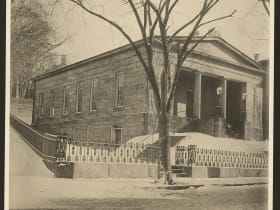
The Providence Athenaeum
3.0 miles away
Step off Benefit Street into the Providence Athenaeum and you step into 1838.

Rhode Island State House
3.2 miles away
People photograph its dome from the highway without realizing they can walk right in.
Benefit Street, the Mile of History
3.3 miles away
Architecture lovers make pilgrimages here, but many visitors never climb the hill to see it.

Crescent Park Looff Carousel
3.5 miles away
This is a genuine piece of amusement-park history kids can actually ride.

Clemence-Irons House
5.6 miles away
This is architecture you cannot see almost anywhere else in America.
East Bay Bike Path
6.3 miles away
This is the family bike ride in the East Bay. The East Bay Bike Path is a flat, paved rail-trail running 14 miles from Providence to Bristol, mostly away from cars, so young riders can pedal without t...
Slater Mill
6.8 miles away
This is the actual birthplace of the American factory, and it is easy to walk past without grasping the weight of it.

Slater Park Looff Carousel
7.5 miles away
Most people driving past Slater Park have no idea one of the great early carousels in the country is turning inside it.

Slater Memorial Park
7.6 miles away
An easy family park with a hundred things to do and room to run.
Hearthside House
8.5 miles away
A stone mansion with a jilted-lover legend, hiding on an old country road most travelers never find.
Rocky Point State Park
8.8 miles away
Rocky Point is a shoreline haunted, in the fondest way, by a lost amusement park.
Nathanael Greene Homestead
8.9 miles away
Plenty of people know Nathanael Greene from a statue or a county named for him, but few realize his actual house survives, quietly, in western Rhode Island.

Lincoln Woods State Park
9.2 miles away
This is the green lung just north of Providence, a rocky, wooded park of oak and glacial boulders wrapped around Olney Pond.
North Scituate Village Green
9.3 miles away
A pretty New England village green that turns into a giant fair once a year.
Colt State Park
9.6 miles away
This former gentlemans farm gives Bristol a broad, open front on Narragansett Bay.

Scituate Reservoir
9.8 miles away
The Scituate Reservoir is the biggest lake in Rhode Island, but it is a drinking-water supply, so you cannot boat, swim, or fish it, and that restriction is exactly what keeps its shoreline so wild an...
Linden Place
11 miles away
It looks like a simple grand house on the parade route, but Linden Place at 500 Hope St carries a heavier story.

Herreshoff Marine Museum
11 miles away
Sailors know it, but plenty of visitors miss that a tiny Bristol yard once ruled world yacht racing.

Blithewold Mansion, Gardens and Arboretum
11 miles away
Garden people travel for this one; casual visitors are stunned to find giant sequoias on the Rhode Island shore.
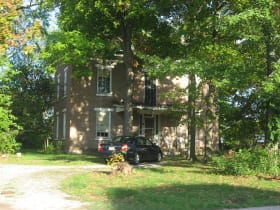
Paine House Museum
12 miles away
A small, friendly history museum where old-time daily life feels real.
Smiths Castle
14 miles away
People drive right past this on Post Road without realizing they are passing one of the oldest houses in America.

Battleship Cove
14 miles away
People drive over the Braga Bridge and spot the gray battleship without realizing they can walk right through it.
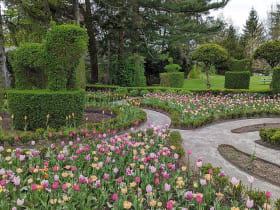
Green Animals Topiary Garden
15 miles away
Off the usual Newport circuit, up in Portsmouth on the bay, sits a garden that delights people who did not expect to be delighted.

Historic Wickford Village
15 miles away
Wickford is the kind of place people stumble into and cannot believe is not more famous.
Diamond Hill Park
15 miles away
For a quick leg-stretch with a view, pull off at Diamond Hill Park at 4097 Diamond Hill Rd in Cumberland.
Museum of Work and Culture
16 miles away
A history museum that works because you walk right through it.

Swamp Meadow Covered Bridge
17 miles away
Rhode Island is not covered-bridge country, which is exactly why this one is a find.
Gilbert Stuart Birthplace and Museum
18 miles away
Hardly anyone realizes the face on the dollar bill was painted by a Rhode Islander born in this quiet mill hamlet.