
This Is The Place Heritage Park
2601 Sunnyside Ave S, Salt Lake City, UT
Salt Lake City, UT
A living pioneer village at the very spot where Brigham Young looked out over the Salt Lake Valley and said the journey was over.
This Is The Place Heritage Park marks one of the most storied spots in Utah, the place at the mouth of Emigration Canyon where, in July 1847, Brigham Young looked out over the Salt Lake Valley from a sick wagon and, according to tradition, declared, This is the right place, drive on. It was the end of a long and hard overland journey and the beginning of a new settlement that would become Salt Lake City.
Today the park pairs a grand monument commemorating that moment with a living-history village, a collection of relocated and reconstructed pioneer-era buildings brought to life by costumed interpreters. Visitors can wander the village streets, watch crafts and chores demonstrated the old way, and take in the same broad view of the valley that greeted the pioneers, making it both a monument and a hands-on window into pioneer life.
What Travelers Love
- The spot where the pioneers first entered the Salt Lake Valley
- A living-history village of relocated and reconstructed pioneer buildings
- Costumed interpreters demonstrating pioneer crafts and daily life
- A grand monument and sweeping views over the valley below
Worth Knowing
- The living-history village and its activities run seasonally, so check what is open
- It is a hands-on, family-friendly place, good for a half-day with kids
- The park sits on the east bench with a fine view out over the city
- It adjoins the foothill trails and is near the zoo and the canyon
Learn about This Is The Place Heritage Park
The end of the pioneer trail
The Latter-day Saint pioneers left Illinois to escape persecution and crossed more than a thousand miles of plains and mountains in search of a refuge where they could settle in peace. In July 1847 the advance company under Brigham Young came down through the Wasatch and out of Emigration Canyon at this very spot, looking for the first time on the broad, dry valley of the Great Salt Lake that they would make their home.
The words attributed to Young at this overlook, that this was the right place, gave the park its name and marked the end of the overland trail for the first company. Thousands more pioneers would follow the same route in the years after, some pulling handcarts the whole way. The heritage park stands as the symbolic finish line of that great migration and the birthplace of the settlement below.
The living-history village
The heart of a visit is the living-history village, a gathered collection of pioneer-era homes, shops, and public buildings, some original structures moved here from around the region and others faithfully reconstructed. Walking its lanes feels like stepping into a nineteenth-century Utah town, complete with a schoolhouse, workshops, a blacksmith, gardens, and animals.
What brings it alive are the costumed interpreters who demonstrate the crafts and chores of pioneer life, from blacksmithing and weaving to baking, candle-making, and tending the farm. Children can try their hand at old-fashioned games and tasks, making it an engaging, hands-on outing for families. The village runs on a seasonal schedule, so it is worth checking ahead to see which buildings and activities will be open during a visit.
The monument and the view
Overlooking the village stands the This Is The Place Monument, a large stone memorial honoring not only the pioneers but the many groups who passed through or shaped this crossroads over the years, including earlier explorers, trappers, and travelers. From the monument and the surrounding grounds, the view opens westward over the whole Salt Lake Valley, the same sweep of land the pioneers first surveyed from here.
The setting itself tells part of the story. Behind the park rise the Wasatch foothills and Emigration Canyon, the mountain doorway the pioneers came through; ahead spreads the valley they settled. Standing at the overlook, it is easy to imagine the weary travelers pausing at this threshold, taking in the unfamiliar valley, and understanding that the long journey had come to its end.
A crossroads of peoples
Long before the pioneers, the Salt Lake Valley and its foothills were part of the homeland of the Northwestern Shoshone, Ute, and Goshute peoples, who lived in and traveled this country for generations and retain ties to it today. The valley the pioneers saw as empty was in fact a living landscape known intimately by its Native inhabitants, and an honest visit holds both histories in mind.
The heritage park sits amid other attractions on the city's east bench, near Hogle Zoo, the University of Utah, and the foothill trails, and just below the mouth of Emigration Canyon. It makes an easy and rewarding half-day, blending a beautiful overlook, a genuine sense of history, and plenty for children to see and do, a fitting place to begin understanding how Salt Lake City came to be.
Closest Boutels
The closest Boutel™ stays, so you can turn this stop into an overnight. Each is a place we chose through independent editorial review, never a paid placement.
Details
Salt Lake City, UT
Frequently asked questions
What is This Is The Place Heritage Park?
This Is The Place Heritage Park sits at the mouth of Emigration Canyon in Salt Lake City, marking the spot where pioneer leader Brigham Young, arriving in 1847, is said to have declared, 'This is the place,' ending the long Mormon trek west. The park centers on the This Is The Place Monument and a living-history pioneer village, offering a hands-on, family-friendly journey into Utah's pioneer past through historic buildings, costumed interpreters, and activities.
What can you do at This Is The Place Heritage Park?
You can wander a village of historic and replica pioneer buildings brought to life by costumed interpreters, try hands-on pioneer crafts and activities, visit a Native American village, meet animals, and enjoy pony and train rides, all popular with children. The monument itself commemorates the pioneers' arrival. The mix of immersive history and family fun makes it engaging for all ages, turning Utah's founding story into something you can see and do.
When is the best time to visit This Is The Place Heritage Park?
The full living-history village and its activities operate mainly in the warmer months, so spring through fall is the prime time, with the pleasant weather ideal for exploring the outdoor village. The park also hosts popular seasonal events, such as fall and Christmas celebrations, that draw crowds. Because hours and available activities vary by season, it is worth checking the current schedule before you go, especially outside the busy summer period.
Is This Is The Place Heritage Park good for families?
Very much so. The interactive pioneer activities, animals, train and pony rides, and costumed interpreters make history tangible and fun for children, while adults appreciate the authentic buildings and the story of Utah's settlement. Kids can often try their hand at old-fashioned crafts and chores, keeping them engaged. It is one of Salt Lake City's most family-oriented attractions and a memorable way to bring the pioneer era to life.
What is near This Is The Place Heritage Park?
The park sits in the eastern foothills of Salt Lake City near the mouth of Emigration Canyon, close to Hogle Zoo and the University of Utah, with its Natural History Museum and Red Butte Garden. Downtown Salt Lake City and Temple Square are a short drive away. That makes it easy to combine a visit with the city's other attractions or with a scenic drive up the nearby canyons.
Nearby
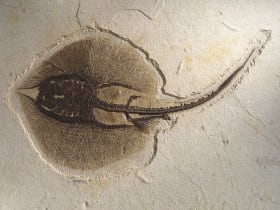
Natural History Museum of Utah
0.8 miles away
The Natural History Museum of Utah has one of the most comprehensive Utah dinosaur collections in the world, including allosaurus, stegosaurus, and a full-skeleton ceratopsian display.

Liberty Park
3.6 miles away
Liberty Park covers 80 acres in central Salt Lake City and is the largest urban park in the city. The children's play area is large and well-maintained. A splash pad operates in summer at no charge.

Temple Square
4.2 miles away
Temple Square is the administrative and spiritual center of the Church of Jesus Christ of Latter-day Saints.
Wheeler Historic Farm
9.5 miles away
Wheeler Historic Farm operates as a living history site and working farm on the edge of Salt Lake Valley.
Big Cottonwood Canyon
11 miles away
Big Cottonwood Canyon (UT-190) is the most accessible canyon in the Wasatch Range for Salt Lake residents.

Great Salt Lake State Park
15 miles away
The Great Salt Lake is 7-10x saltier than the ocean, making it impossible to sink. The Saltair area (16 miles west of Salt Lake City) is the nearest accessible swimming beach.

Utah Olympic Park
15 miles away
Utah Olympic Park hosted the bobsled, luge, skeleton, ski jumping, and Nordic combined events of the 2002 Salt Lake City Olympics.
Little Cottonwood Canyon, Alta and Snowbird
15 miles away
Little Cottonwood Canyon narrows to a slot at its base and climbs to 11,000 feet at Alta and Snowbird ski resorts.

Point of the Mountain Viewpoint
17 miles away
Point of the Mountain is the topographic ridge that separates the Salt Lake Valley from Utah Valley to the south.
Great Salt Lake Shoreline Park
17 miles away
The northeast shore of the Great Salt Lake accessible from Salt Lake City. The lake's north arm has an extremely high salinity that turns the water pink from halophilic bacteria.

Park City Historic Main Street
18 miles away
Park City's Main Street is one of the best-preserved Western mining town streetscapes in the West - a continuous line of brick commercial buildings from the 1880s silver boom, now housing independent...