Little Cottonwood Canyon, Alta and Snowbird
10095 Little Cottonwood Rd, Alta, UT
Alta, UT
A steep granite gorge that climbs from the valley floor to some of the deepest snow in North America, home to the old silver camp of Alta and the resort of Snowbird.
Little Cottonwood Canyon is a narrow, steep-walled gorge that climbs east out of the Salt Lake Valley into the granite heart of the Wasatch Range. The canyon road rises thousands of feet in a few miles, past sheer rock faces and dense forest, to end at the linked ski areas of Snowbird and Alta near the crest. It is one of the most celebrated snow destinations on earth, famous for storms that drop light, dry powder by the foot.
In summer the canyon becomes a different kind of place, cool and green, with trails that climb to alpine lakes and flowered basins high above the valley. Its clean granite walls draw climbers, its history runs back to silver miners and stone quarries, and its water still supplies the city below. Few places pack so much, ski history, mining history, wilderness, and geology, into so short a drive.
What Travelers Love
- Some of the lightest, deepest snow anywhere, the reason skiers come from around the world
- Summer hikes to alpine lakes and cirques high above the valley heat
- Massive granite walls that draw rock climbers to routes like the Coalpit and the buttresses
- The old mining camp of Alta, now a quiet, historic ski town at the top of the canyon
Worth Knowing
- The canyon is a protected watershed for Salt Lake City, so dogs are not allowed anywhere in it
- Winter avalanche danger is real and the road can close for control work, so check conditions before driving up
- Parking at the trailheads and resorts fills early on weekends; consider the canyon bus
- It climbs to high elevation quickly, so weather turns fast and afternoons cool off even in summer
Learn about Little Cottonwood Canyon, Alta and Snowbird
Silver, stone, and the town of Alta
In the 1860s and 1870s prospectors found rich veins of silver in the upper canyon, and the boomtown of Alta sprang up near its head. For a few frenzied years it was one of the loudest camps in the territory, with saloons and mills and thousands of miners, until falling silver prices, fires, and deadly avalanches emptied it out. The scars of that era, old mine dumps and tram remnants, still show on the slopes above the modern lifts.
Lower in the canyon, its granite itself became a resource. In the 1860s stonecutters quarried blocks of Little Cottonwood granite and hauled them by ox team down to Salt Lake City, where they were laid up into the great temple on Temple Square. The polished walls of that building came out of this canyon. Long before the miners and quarrymen, the Wasatch canyons were homeland and hunting ground for the Ute, Shoshone, and Goshute peoples, whose descendants remain in Utah today.
The snow, and how the canyon makes it
Little Cottonwood is world famous for a simple reason: it collects extraordinary amounts of very dry, very light snow. Storms rolling in off the Great Basin dry out crossing the desert, then rise and cool against the steep Wasatch wall, wringing out snow that falls cold and feathery rather than heavy and wet. The result is the deep, weightless powder that made Alta and Snowbird legendary.
That same steepness and snow load make the canyon one of the most avalanche-prone corridors in the country. Crews use control work to bring slides down safely, and the single road up the canyon closes at times for safety, sometimes with people held in place while the slopes are managed. It is a place where the mountains still very much set the terms.
Granite walls and high country
The canyon is carved from a huge body of granite that cooled deep underground and was later uplifted and exposed. Glaciers ground down through it during the ice ages, leaving the U-shaped profile, the polished slabs, and the hanging side canyons you see today. The clean, solid rock made Little Cottonwood a birthplace of Utah rock climbing, with long crack and slab routes on walls like the Coalpit and the buttresses near the mouth.
Above the cliffs lies open alpine country. Trails climb from the canyon floor to a string of high lakes and basins, Cecret Lake, Red Pine, White Pine, and others, where wildflowers bloom in July and August and the air stays cool while the valley bakes. Higher still, ridgelines connect toward the crest of the range and the neighboring basins of Big Cottonwood and American Fork.
Wildlife and the seasons
For all its ski traffic, the canyon holds real wildlife. Moose are common in the willows and aspen, mule deer move through the forest, and mountain goats work the high granite near the crest. Pikas and marmots live in the boulder fields, and in the quiet of summer mornings the alpine basins fill with birdsong.
Winter is the canyon's headline season, deep, snowy, and busy, with skiing that runs late into spring. Late spring melts the lower canyon first, and by summer the high trails open to hikers and the wildflowers peak. Autumn sets the aspen ablaze with gold and thins the crowds before the first storms return. At this elevation, weather changes fast in every season, so it pays to check conditions before heading up.
Closest Boutels
The closest Boutel™ stays, so you can turn this stop into an overnight. Each is a place we chose through independent editorial review, never a paid placement.
Details
Alta, UT
Frequently asked questions
What is Little Cottonwood Canyon?
Little Cottonwood Canyon is a dramatic, glacier-carved granite canyon in the Wasatch Range just southeast of Salt Lake City, home to the renowned Alta and Snowbird ski resorts. World-famous for some of the deepest, lightest powder snow on earth in winter, it transforms into a spectacular playground of alpine hiking, wildflowers, and rock climbing in summer. The sheer granite walls, from which stone for the Salt Lake Temple was quarried, make it one of the most striking canyons in the region.
What can you do in Little Cottonwood Canyon?
In winter it is a premier destination for skiing and snowboarding at Alta and Snowbird. In the warmer months, you can hike to gems like Cecret Lake, marvel at the wildflower meadows of Albion Basin, ride the Snowbird tram to Hidden Peak for sweeping views, or rock climb on the famous granite. The scenic drive up the canyon is beautiful in any season, offering a quick escape from the city into high alpine terrain.
How do avalanches and road closures affect Little Cottonwood Canyon?
This is important in winter: the canyon is extremely avalanche-prone, and the access road is regularly closed for avalanche control after storms, sometimes with lockdowns where people must stay indoors. Winter traffic is also heavy on powder days. Always check current road status before heading up, allow extra time, and consider the ski bus. Mountain weather changes fast year-round, so come prepared and heed all closures and warnings for your safety.
When is the best time to visit Little Cottonwood Canyon?
Winter, roughly December through spring, is prime for its legendary skiing and deep snow, while mid-to-late summer brings the spectacular Albion Basin wildflower bloom and excellent hiking, and fall adds color. The upper reaches of the canyon road are seasonal and close in winter beyond the resorts. Choose your season based on whether you are after powder, wildflowers, or fall scenery, and always check current conditions.
What should I know before visiting Little Cottonwood Canyon?
Come prepared for mountain conditions with layers and water, since it is much cooler and can change quickly at elevation. In winter, plan around avalanche closures and heavy traffic, and consider public transit on busy days. In summer, parking at popular spots like Albion Basin is limited and may require a reservation, so check ahead. Respect the fragile alpine environment, especially the wildflower meadows, by staying on trails.
Nearby
Big Cottonwood Canyon
4.2 miles away
Big Cottonwood Canyon (UT-190) is the most accessible canyon in the Wasatch Range for Salt Lake residents.

Park City Historic Main Street
8.4 miles away
Park City's Main Street is one of the best-preserved Western mining town streetscapes in the West - a continuous line of brick commercial buildings from the 1880s silver boom, now housing independent...
Wheeler Historic Farm
9.7 miles away
Wheeler Historic Farm operates as a living history site and working farm on the edge of Salt Lake Valley.

Utah Olympic Park
9.8 miles away
Utah Olympic Park hosted the bobsled, luge, skeleton, ski jumping, and Nordic combined events of the 2002 Salt Lake City Olympics.
Cascade Springs, Uinta-Wasatch-Cache National Forest
10 miles away
Cascade Springs is a set of travertine pools fed by water that surfaces from deep underground, stepping down the hillside in clear terraced basins.
Timpanogos Cave National Monument
11 miles away
Timpanogos Cave is a series of three connected caverns reached by a 1.5-mile trail that climbs 1,000 feet above American Fork Canyon.

Point of the Mountain Viewpoint
13 miles away
Point of the Mountain is the topographic ridge that separates the Salt Lake Valley from Utah Valley to the south.

Mount Timpanogos
14 miles away
Mount Timpanogos is the second highest peak in the Wasatch Range and the most visually dominant mountain above the Utah Valley.
Sundance Mountain Resort
14 miles away
Sundance is the mountain resort Robert Redford bought in 1969 to keep it out of commercial development.

Heber Valley and Deer Creek Reservoir
14 miles away
Heber Valley is a wide agricultural valley at 5,600 feet, ringed by mountain ranges. Deer Creek Reservoir has windsurfing and sailing.
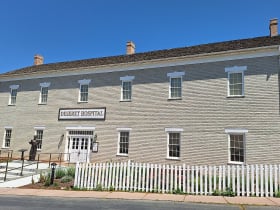
This Is The Place Heritage Park
15 miles away
This Is the Place is where Brigham Young reportedly said "This is the right place" upon first seeing the Salt Lake Valley in 1847 after leading 2,000 pioneers west.
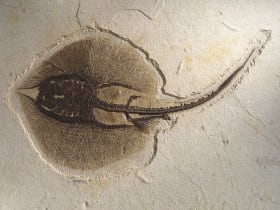
Natural History Museum of Utah
15 miles away
The Natural History Museum of Utah has one of the most comprehensive Utah dinosaur collections in the world, including allosaurus, stegosaurus, and a full-skeleton ceratopsian display.

Liberty Park
16 miles away
Liberty Park covers 80 acres in central Salt Lake City and is the largest urban park in the city. The children's play area is large and well-maintained. A splash pad operates in summer at no charge.

Bridal Veil Falls
18 miles away
Bridal Veil Falls drops in two tiers down the canyon wall, and the base is reachable in a flat five-minute walk from the parking area off the Provo Canyon road.

Temple Square
18 miles away
Temple Square is the administrative and spiritual center of the Church of Jesus Christ of Latter-day Saints.