
Liberty Park
600 E 900 S, Salt Lake City, UT
Salt Lake City, UT
The green heart of Salt Lake City, a leafy square of old cottonwoods, a bird sanctuary, and a pioneer mill that has anchored the neighborhood for generations.
Liberty Park is the oldest and best loved of Salt Lake City's public parks, an eighty-acre square of lawns, ponds, and towering old trees just south of downtown. It has been the city's shared backyard for well over a century, a place where families picnic, joggers loop the perimeter, and generations of children have learned to ride bikes under the cottonwoods.
The park holds more history than a casual stroll reveals. Inside its boundaries stand a pioneer-era mill and adobe farmhouse, and its southwest corner is given over to the Tracy Aviary, one of the country's oldest public bird sanctuaries. It is a green island in the grid of Salt Lake City, and one of the easiest places to feel the rhythm of the city itself.
What Travelers Love
- Wandering the paths under enormous mature cottonwoods and shade trees
- The Tracy Aviary, one of the oldest public bird parks in the country, tucked inside the park
- The Chase Home and old mill, a surviving piece of pioneer Salt Lake City
- Warm evenings when neighbors fill the lawns, courts, and picnic tables
Worth Knowing
- The park is busiest on summer weekends and during festivals; mornings are calm and shaded
- Parking around the edges fills up quickly on warm days, so arrive early or come on foot
- The Tracy Aviary is a separate attraction inside the park with its own admission
- It sits at valley elevation and can be hot and dry in midsummer, so bring water and sun cover
Learn about Liberty Park
From pioneer farm to city park
The land that became Liberty Park was first the homestead of Isaac Chase, an early settler who arrived with the pioneer companies of the late 1840s. Chase built an adobe farmhouse and a water-powered gristmill here in the early 1850s, grinding grain for the young settlement during years when flour was scarce and precious. Both the Chase Home and the old mill still stand within the park, among the oldest surviving structures in the valley.
The city acquired the property in the 1880s and set it aside as public parkland, naming it Liberty Park. Over the following decades it was planted with the shade trees that now define it, laced with walkways and ponds, and fitted with the courts, pavilions, and playgrounds that generations of Salt Lake families have used. Long before Isaac Chase farmed it, this valley was the homeland of the Northwestern Shoshone, Goshute, and Ute peoples, who traveled and gathered across the Great Salt Lake basin for thousands of years, and whose descendants remain part of Utah today.
The Tracy Aviary
In the southwest corner of Liberty Park sits the Tracy Aviary, founded in the 1930s when a Salt Lake City banker donated his private collection of birds to the city. It grew into one of the first free-standing public bird parks in the United States and remains a working sanctuary, caring for hundreds of birds from around the world along shaded paths and ponds.
The aviary is as much about local wildlife as exotic species. Its keepers run conservation programs for native Utah and Great Basin birds, and its bird shows and flight demonstrations have introduced generations of children to eagles, owls, and condors. For visitors it is a quiet, unhurried counterpoint to the busy lawns of the park just outside its gates.
A day in the park
The heart of Liberty Park is simply its open green space, wide lawns broken by ponds and shaded by some of the largest cottonwoods and elms in the city. A paved loop rings the park and draws a steady stream of walkers, runners, and cyclists, while the interior fills with picnickers, pickup games, and families spread out under the trees.
The park also gathers the neighborhood together. Farmers markets, music, and festivals rotate through in the warm months, and the surrounding streets hold some of Salt Lake City's most walkable small business districts, from the 9th and 9th shops to the cafés of Central Ninth. It is the kind of park a city grows around rather than sets aside.
Trees, water, and the seasons
Liberty Park is one of the best places in the valley to see the change of seasons. In spring the cottonwoods leaf out and the ponds draw migrating waterfowl and songbirds, and the aviary's collection sings loudest. Summer is the busiest and greenest season, when the deep shade of the old trees makes the park a refuge from the valley heat.
Autumn turns the cottonwoods and maples gold and thins the crowds, and the low light through the big trees is a favorite time for a slow walk. Winter is quiet and often dusted with snow off the Wasatch, the ponds edged with ice and the paths mostly to the joggers and the birds. Set at valley elevation, the park runs hot and dry in high summer, so shade and water matter.
Closest Boutels
The closest Boutel™ stays, so you can turn this stop into an overnight. Each is a place we chose through independent editorial review, never a paid placement.
Details
Salt Lake City, UT
Frequently asked questions
What is Liberty Park?
Liberty Park is one of Salt Lake City's largest and oldest public parks, a beloved green oasis near the city center shaded by grand old trees and centered on a large pond. A gathering place for generations, it blends open lawns and gardens with a surprising array of family attractions, from a bird park to amusement rides, making it a favorite spot for picnics, walks, play, and relaxing. It is a cherished piece of the city's history and everyday life.
What can you do at Liberty Park?
There is plenty to fill a day. You can visit the Tracy Aviary, a bird park within the park home to hundreds of birds with live shows, ride the seasonal amusement rides and paddle boats, and enjoy the ponds, playgrounds, tennis courts, and a seasonal splash-pad water feature. The Chase Home Museum of Utah Folk Arts sits in the park too. Its shady paths are also great for jogging, biking, and simply strolling.
When is the best time to visit Liberty Park?
Spring through fall is prime, when the gardens are lush, the trees provide welcome shade, and the seasonal attractions like the rides, paddle boats, and water feature are running. Summer is lively and popular, while spring and fall offer pleasant, quieter strolls. The park is enjoyable year-round for a walk, but timing a visit for the warm months lets you enjoy the fullest range of activities, especially with children.
Is Liberty Park free, and is it good for families?
Entering and enjoying the park itself, including its lawns, ponds, playgrounds, and paths, is free, though the Tracy Aviary and the amusement rides charge their own admission or ticket fees. It is an excellent family destination, combining open space to run and play with the aviary, rides, and water fun that delight children. Packing a picnic and spending a relaxed afternoon is a classic Salt Lake City family outing.
What is near Liberty Park?
Liberty Park sits in central Salt Lake City, close to downtown and to charming neighborhoods like the 9th and 9th district and Sugar House, with their shops and restaurants. The city's other attractions, from Temple Square to the foothill trails and canyons, are within easy reach. That central location makes Liberty Park an easy, refreshing green stop while exploring Salt Lake City, especially for families needing space to play.
Nearby

Temple Square
1.8 miles away
Temple Square is the administrative and spiritual center of the Church of Jesus Christ of Latter-day Saints.
Natural History Museum of Utah
2.8 miles away
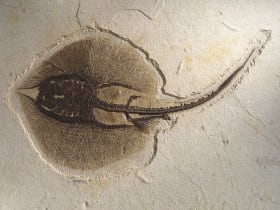
The Natural History Museum of Utah has one of the most comprehensive Utah dinosaur collections in the world, including allosaurus, stegosaurus, and a full-skeleton ceratopsian display.
This Is The Place Heritage Park
3.6 miles away
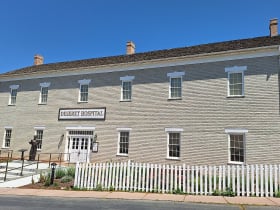
This Is the Place is where Brigham Young reportedly said "This is the right place" upon first seeing the Salt Lake Valley in 1847 after leading 2,000 pioneers west.
Wheeler Historic Farm
8.6 miles away
Wheeler Historic Farm operates as a living history site and working farm on the edge of Salt Lake Valley.

Great Salt Lake State Park
11 miles away
The Great Salt Lake is 7-10x saltier than the ocean, making it impossible to sink. The Saltair area (16 miles west of Salt Lake City) is the nearest accessible swimming beach.
Big Cottonwood Canyon
12 miles away
Big Cottonwood Canyon (UT-190) is the most accessible canyon in the Wasatch Range for Salt Lake residents.
Great Salt Lake Shoreline Park
14 miles away
The northeast shore of the Great Salt Lake accessible from Salt Lake City. The lake's north arm has an extremely high salinity that turns the water pink from halophilic bacteria.

Point of the Mountain Viewpoint
15 miles away
Point of the Mountain is the topographic ridge that separates the Salt Lake Valley from Utah Valley to the south.
Little Cottonwood Canyon, Alta and Snowbird
16 miles away
Little Cottonwood Canyon narrows to a slot at its base and climbs to 11,000 feet at Alta and Snowbird ski resorts.

Utah Olympic Park
18 miles away
Utah Olympic Park hosted the bobsled, luge, skeleton, ski jumping, and Nordic combined events of the 2002 Salt Lake City Olympics.