
Great Salt Lake Shoreline Park
Frontage Rd, Salt Lake City, UT
Salt Lake City, UT
An easy walk out to the edge of the great inland sea, where the shore turns to salt flats and the sunsets run wild across the water.
Great Salt Lake Shoreline Park is a low-key access point on the southeastern edge of the largest lake in the West, an easy place to walk out to the water and feel the strangeness of a landlocked sea. Short trails and paths lead across the salt-crusted flats to the lake edge, where the shallow, mineral-heavy water reflects the sky and the far mountains, and the whole horizon seems to dissolve into light.
What makes it a gem is simply access. The Great Salt Lake is enormous but hard to reach along much of its shore, ringed by marsh, mudflat, and private land, and this park offers a quick, open door to it from the city's edge. It pairs well with the lake's other south-shore spots, the marina and sailing waters of Great Salt Lake State Park nearby, and gives a close look at the wider story of the shrinking lake itself.
What Travelers Love
- How close and easy it is to reach the lakeshore from the city
- Wide sunset views across the water toward the far mountains
- The strange, flat, salt-crusted shore that feels far from anywhere
- Excellent birdwatching along the edge, especially during migration
Worth Knowing
- The shore is muddy and buggy in places, with clouds of tiny brine flies near the water in warm months
- As the lake shrinks, the water's edge can sit far out past the historic shoreline
- It is exposed, with little shade, so bring sun protection and water
- Windy days can whip up salt dust; check conditions before a visit
Learn about Great Salt Lake Shoreline Park
A sea with no outlet
The Great Salt Lake is what remains of a far larger Ice Age lake called Lake Bonneville, which once covered much of western Utah hundreds of feet deep. When the climate warmed, most of that water evaporated away, leaving this shallow remnant in the lowest basin. Because the lake has rivers flowing in but none flowing out, the only way water leaves is by evaporating, which concentrates the minerals and makes the water intensely salty, saltier than the ocean.
That saltiness shapes everything along the shore. The flats are crusted white where the water has dried and left its minerals behind, and the edge of the lake wanders in and out from year to year as the water rises and falls. In recent decades the lake has shrunk dramatically, exposing broad new stretches of lakebed, a change that draws scientists and worries the region and that is visible right here at the shore.
The people of the lake
The lake and its wetlands lie within the ancestral homeland of the Shoshone, Ute, Goshute, and Paiute peoples, who lived around the lake and its marshes and gathered its resources for thousands of years, and whose descendants remain in Utah today. The rich shoreline wetlands were, and are, a source of birds, eggs, plants, and salt.
When Mormon settlers arrived in the Salt Lake Valley in 1847, the lake quickly became a curiosity and a landmark, and resorts and bathing pavilions later sprang up along its shores, where visitors floated effortlessly in the buoyant water. Those grand old resorts are long gone, but the pull of the lake remains, and today's shoreline parks carry on the tradition of coming out to meet the great salt water.
Birds along the shore
For all that its salty water holds almost no fish, the Great Salt Lake is one of the most important bird places on the continent. The shallows and shoreline swarm with tiny brine shrimp and brine flies, and those small lives feed staggering numbers of birds, millions of them, that stop here on their long migrations. Along this shore you may see avocets and stilts wading the shallows, phalaropes spinning on the water, and great clouds of shorebirds lifting at once.
In spring and fall the migration is at its peak and the birding is superb, with pelicans, gulls, ducks, and rafts of eared grebes gathering to feed. Bring binoculars and give yourself time to stand and watch, because the sheer numbers, and the sight of them wheeling against the water and sky, are among the great spectacles of the lake.
Sunsets, seasons, and the changing lake
The signature experience here is the sunset. With the open water to the west and mountains beyond it, the light spreads across the still lake and sets the whole scene glowing pink and gold, one of the finest sunset spots close to the city. Mornings are quiet and cool, good for birds and for the long views before the day's haze sets in.
Spring and fall are the most comfortable seasons and the best for wildlife, while summer brings heat, brine flies, and sometimes a strong lake smell on still, warm days. Winter is stark and quiet, the flats sometimes rimed with frost. Whenever you come, the shore offers a plain, powerful look at the great lake and the changes it is living through.
Closest Boutels
The closest Boutel™ stays, so you can turn this stop into an overnight. Each is a place we chose through independent editorial review, never a paid placement.
Details
Salt Lake City, UT
Frequently asked questions
What is the Great Salt Lake Shoreline Park?
It is a shoreline access area on the Great Salt Lake near Salt Lake City, offering a way to experience the lake's vast wetlands and shore up close. With walking paths and viewpoints along the water and marshes, it is above all a superb birdwatching spot, since the Great Salt Lake is one of the most important stops on the continent for migratory birds, hosting millions of them across hundreds of species. It is a peaceful, nature-focused window onto this remarkable inland sea.
What birds can you see at the Great Salt Lake shoreline?
The Great Salt Lake and its wetlands draw an astonishing variety of birds, with hundreds of species and millions of individuals passing through, including pelicans, avocets, black-necked stilts, phalaropes, grebes, gulls, and countless shorebirds and waterfowl. Spring and fall migrations bring the greatest numbers and diversity. Bring binoculars and move quietly along the shore and marsh edges for the best sightings, and early morning is often the most rewarding and active time.
When is the best time to visit the Great Salt Lake shoreline?
Spring and fall are prime, both for the peak bird migrations and for the most comfortable temperatures, while summer brings heat and swarms of harmless but numerous brine flies and mosquitoes along the shore, so early-morning visits and insect repellent are advised then. Early mornings are also calmest and best for birdwatching in any season, and sunsets over the wide lake and wetlands can be beautiful year-round.
What should I know before visiting the Great Salt Lake shoreline?
The shoreline can be muddy and buggy, and the lake's fluctuating, recently low water levels mean the open water may sit far out beyond mudflats, so wear appropriate footwear and adjust expectations. Bring water and sun protection, since shade is scarce, along with binoculars and insect repellent. Note that some shoreline preserves and sensitive habitats prohibit pets to protect the wildlife, so check current rules, and stay on designated paths to avoid disturbing the birds.
Why is the Great Salt Lake important for birds?
Despite its harsh, salty water, the Great Salt Lake and its surrounding wetlands form a globally significant oasis for birds, supporting vast populations of brine shrimp and brine flies that feed millions of migratory and nesting birds each year. For many species crossing the arid West, it is an essential refueling stop. That ecological importance, now heightened by concern over the lake's shrinking, makes the shoreline both a birdwatching paradise and a place to appreciate a fragile, vital ecosystem.
Nearby

Great Salt Lake State Park
3.5 miles away
The Great Salt Lake is 7-10x saltier than the ocean, making it impossible to sink. The Saltair area (16 miles west of Salt Lake City) is the nearest accessible swimming beach.

Temple Square
13 miles away
Temple Square is the administrative and spiritual center of the Church of Jesus Christ of Latter-day Saints.

Liberty Park
14 miles away
Liberty Park covers 80 acres in central Salt Lake City and is the largest urban park in the city. The children's play area is large and well-maintained. A splash pad operates in summer at no charge.
Natural History Museum of Utah
16 miles away
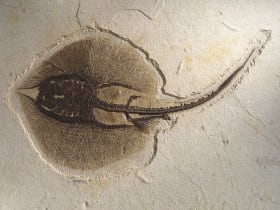
The Natural History Museum of Utah has one of the most comprehensive Utah dinosaur collections in the world, including allosaurus, stegosaurus, and a full-skeleton ceratopsian display.
This Is The Place Heritage Park
17 miles away
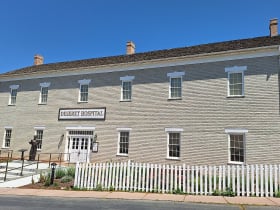
This Is the Place is where Brigham Young reportedly said "This is the right place" upon first seeing the Salt Lake Valley in 1847 after leading 2,000 pioneers west.
Great Salt Lake
19 miles away
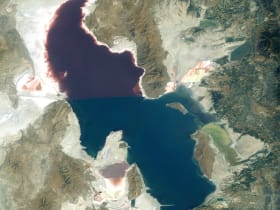
The Great Salt Lake is the largest remnant of ancient Lake Bonneville, which covered much of western Utah 14,000 years ago at depths over 1,000 feet.
Wheeler Historic Farm
20 miles away
Wheeler Historic Farm operates as a living history site and working farm on the edge of Salt Lake Valley.