
Great Salt Lake State Park
Arthur St, Magna, UT
Magna, UT
The lake's front porch, a marina and beach where sailboats lean into the wind and the sunsets turn the whole sea to fire.
Great Salt Lake State Park is the main front door to the lake for the people of Salt Lake City, a marina, beach, and visitor area on the south shore near Magna. It is the home of the lake's small but hardy sailing fleet, whose white sails you can watch leaning across the water, and a place where you can wade in and experience the strangest feature of this inland sea, water so buoyant that a swimmer simply floats.
This is the recreation-and-sunset side of the Great Salt Lake, the counterpart to the quieter shoreline access points nearby and the wild vastness of the lake itself. It is easy to reach, forgiving to first-time visitors, and famous for its evenings, when the sun drops behind the water and lights the whole horizon on fire.
What Travelers Love
- Watching sailboats glide across the salty water from the marina
- Floating effortlessly in water so salty you cannot sink
- Sunsets that light up the lake and the far mountains
- The nearby historic Saltair pavilion and its concerts
Worth Knowing
- The water can smell strongly on warm, still days, and brine flies gather along the shore in summer
- As the lake drops, the marina and shoreline conditions change, so check ahead for boating access
- The mud and salt cling, so wear shoes you can rinse and expect a briny film after a float
- It is open and exposed, so bring sun protection and water
Learn about Great Salt Lake State Park
Sailing an inland sea
The Great Salt Lake State Park marina is the base for one of the more unusual sailing scenes in the country, a fleet of boats crossing a lake far saltier than the ocean. The extra salt makes the water denser and the boats ride higher, and generations of Utah sailors have raced and cruised here beneath the Oquirrh and Wasatch ranges. On a breezy afternoon the sails against the pale water and dark mountains make a fine sight even from shore.
The lake's dropping level has made the marina's story a difficult one in recent years, as low water strands boats and closes ramps, and the fleet's future rises and falls with the lake. It is a vivid, on-the-water reminder of how the shrinking of the Great Salt Lake touches everyday life around it.
A lake you cannot sink in
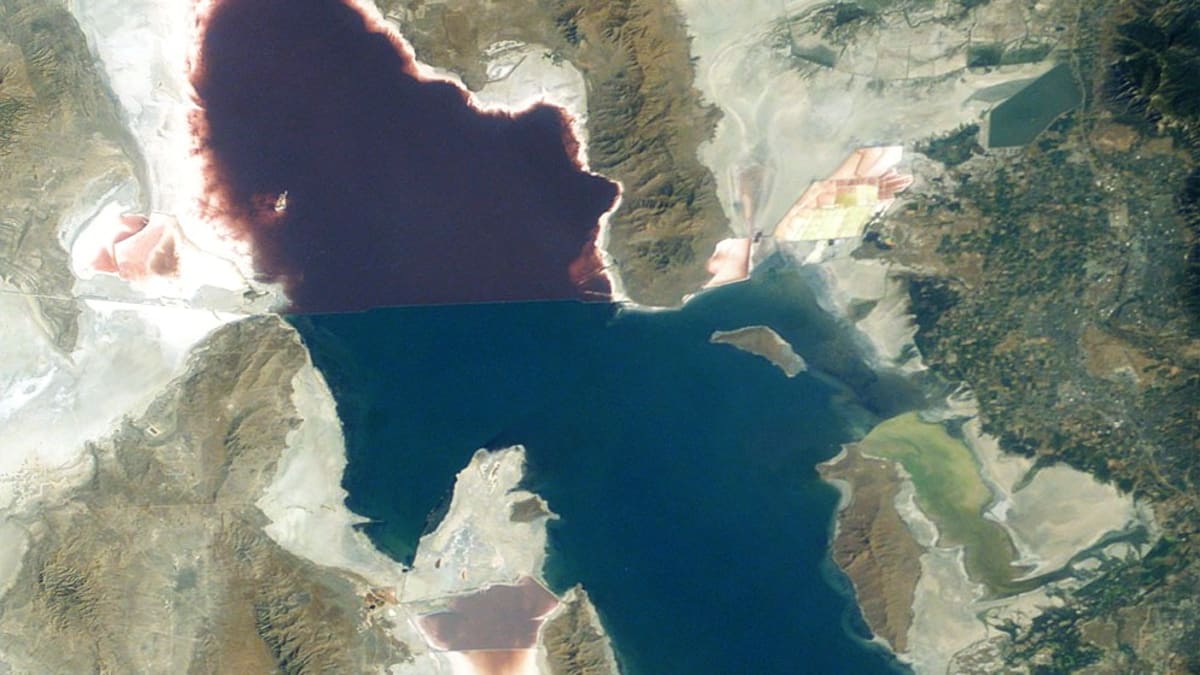
The Great Salt Lake is the remnant of a huge Ice Age lake called Lake Bonneville, and because it has rivers flowing in but no outlet, its water can only leave by evaporating. That process has concentrated the minerals over thousands of years until the lake is intensely salty, saltier than any ocean, which is what makes a swimmer bob on the surface like a cork.
That same saltiness means almost no fish live in the lake, but its shallows swarm with tiny brine shrimp and brine flies. Those small creatures are the foundation of the lake's astonishing birdlife and, in the brine shrimp's case, a real local industry, harvested as eggs and shipped worldwide to feed farmed fish and shrimp.
Saltair and the resort era
Near the park stands Saltair, a domed pavilion out toward the water that recalls a grand era of lakeside resorts. In the late 1800s and early 1900s the shores of the Great Salt Lake blossomed with bathing pavilions, dance halls, and amusement piers, and crowds rode the train out from the city to float in the buoyant water and dance the night away over the lake.
Fire, flood, and the ever-shifting shoreline destroyed the old resorts one by one, and today's Saltair is a later building that serves mainly as a concert hall. But it keeps the memory alive, and standing near it you can still feel the old pull of the lake as a place to come out to, play in, and watch the sun go down.
Birds, sunsets, and the seasons
The lake is one of the great bird stops on the continent, and the south shore shares in that wealth. Millions of birds pass through on migration, feeding on the brine shrimp and flies, and along the beach you may see pelicans, gulls, avocets, stilts, and rafts of grebes. Spring and fall bring the biggest numbers and the best birding.
Summer is the busy season for the beach and marina, warm and bright, though the brine flies and the lake's smell peak in the heat. Winter is quiet and stark, the water gray under the mountains. In every season, though, the reason people linger is the sunset, when the light spreads across the still water and the whole scene glows, one of the finest evening views anywhere near the city.
Closest Boutels
The closest Boutel™ stays, so you can turn this stop into an overnight. Each is a place we chose through independent editorial review, never a paid placement.
Details
Magna, UT
Frequently asked questions
What is Great Salt Lake State Park?
Great Salt Lake State Park is a state park and marina on the south shore of the Great Salt Lake near Magna, offering the most convenient developed access to the lake from Salt Lake City and the airport. It is a place to launch a boat, take in the vast salty water, watch spectacular sunsets, and experience the strange beauty of the lake, near the site of the historic Saltair pavilion. It is an easy, quick way to reach the shore of this remarkable inland sea.
What can you do at Great Salt Lake State Park?
The park centers on a marina, so sailing and boating are popular, along with floating in the buoyant salty water, birdwatching, and simply enjoying the sweeping lake views and famous sunsets. The nearby historic Saltair, a landmark pavilion that has served as a resort and concert venue over the years, adds interest. It is more a lake-access and marina park than a hiking destination, ideal for getting out on or beside the water.
What should I know about the lake levels at Great Salt Lake State Park?
The Great Salt Lake's level rises and falls and has reached historic lows in recent years, which has affected the marina and left the shoreline and open water farther out at times, sometimes with mudflats between. So it is worth checking current conditions before you go, especially if you plan to boat. The salty water also leaves a residue, so bring a towel and a change of clothes and rinse off if you get in.
When is the best time to visit Great Salt Lake State Park?
Spring and fall are the most comfortable, with milder temperatures and fewer of the brine flies that swarm the shoreline in summer, so if you visit in the warm months, go early in the day and bring insect repellent. Sunset is the highlight at the park, when the sky and lake glow with color. Being close to Salt Lake City, it is an easy stop any time you want a quick taste of the lake.
What should I bring to Great Salt Lake State Park?
Come prepared for a salty, exposed environment. Bring plenty of water and sun protection, since there is little shade, and if you plan to wade or float, pack water shoes for the salty, sometimes muddy shoreline along with a towel and a change of clothes, since the brine leaves a sticky residue. Binoculars are handy for the abundant birdlife, and a camera is a must for the lake's memorable sunsets.
Outside the Park
Great Salt Lake Shoreline Park
3.5 miles away
The northeast shore of the Great Salt Lake accessible from Salt Lake City. The lake's north arm has an extremely high salinity that turns the water pink from halophilic bacteria.

Temple Square
11 miles away
Temple Square is the administrative and spiritual center of the Church of Jesus Christ of Latter-day Saints.

Liberty Park
11 miles away
Liberty Park covers 80 acres in central Salt Lake City and is the largest urban park in the city. The children's play area is large and well-maintained. A splash pad operates in summer at no charge.
Natural History Museum of Utah
14 miles away
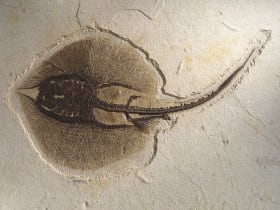
The Natural History Museum of Utah has one of the most comprehensive Utah dinosaur collections in the world, including allosaurus, stegosaurus, and a full-skeleton ceratopsian display.
This Is The Place Heritage Park
15 miles away
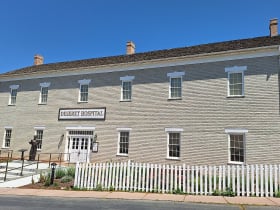
This Is the Place is where Brigham Young reportedly said "This is the right place" upon first seeing the Salt Lake Valley in 1847 after leading 2,000 pioneers west.
Wheeler Historic Farm
16 miles away
Wheeler Historic Farm operates as a living history site and working farm on the edge of Salt Lake Valley.

Point of the Mountain Viewpoint
19 miles away
Point of the Mountain is the topographic ridge that separates the Salt Lake Valley from Utah Valley to the south.