
The Arboretum at Flagstaff
S Flagstaff Ranch Rd
Flagstaff, AZ
A garden set among the tallest pine forest on the continent, dedicated to the wildflowers and plants of Arizona's cool high country.
The Arboretum at Flagstaff is a high-country botanical garden that surprises people who think of Arizona only as saguaro and sand. Set at more than 7,000 feet in the cool ponderosa pine forest southwest of Flagstaff, it is one of the highest arboretums in the United States, devoted not to desert plants but to the flowers, shrubs, and trees of the Colorado Plateau and the surrounding high country. Walking its shaded paths feels closer to the mountain West than to the desert Southwest.
The garden exists to study and celebrate the native plants of this high, cold, and dry region, and to teach visitors how much life thrives in a landscape few outsiders imagine. Its gardens brim with wildflowers in season, its meadows hum with pollinators, and its forest fills with birdsong. For anyone based in Flagstaff or passing through the high country, it is a gentle, green, and quietly educational stop that reveals a whole other side of Arizona.
What Travelers Love
- A cool, green mountain garden that upends the idea of Arizona as all desert
- Gardens showcasing the wildflowers and native plants of the high plateau
- Bird walks and, in season, live raptor programs among the tall pines
- The peace of walking woodland paths at one of the highest botanical gardens in the country
Worth Knowing
- It sits at very high elevation, so the air is thin and cool, and afternoons can bring quick storms
- The garden is seasonal, so it is open in the warmer months and closed through the deep winter, and hours vary
- Paths wind through forest and gardens, so wear comfortable shoes for gentle walking
- Bring sun protection and a layer, since mountain weather can shift from warm sun to cool cloud quickly
Learn about The Arboretum at Flagstaff
A garden of the high plateau
The Arboretum was founded to explore and conserve the plants of the Colorado Plateau, the vast high tableland that spreads across northern Arizona and the neighboring states. This is demanding country for plants, high and cold in winter, dry much of the year, and battered by intense mountain sun, so the species that flourish here are hardy and specially adapted. The garden's collections and research focus on these tough native plants and on how they survive.
Because of its elevation and mission, the Arboretum is genuinely unusual. Most people picture Arizona botanical gardens full of cactus, but here the beds and meadows feature the wildflowers, penstemons, columbines, and mountain shrubs of the pine belt, framed by tall trees rather than open desert. It offers a living lesson in just how varied Arizona is, from the low deserts to these cool forested heights, all within a short drive of one another.
Meadows, wildflowers, and pollinators
Through the warm months the Arboretum's gardens put on a show of high-country color. Wildflower beds and meadows bloom in waves as the season progresses, drawing bees, butterflies, and the hummingbirds that pass through the mountains. Interpretive gardens show off native plants suited to high-elevation yards, a practical resource for local gardeners learning to grow with the region's short season and thin soils.
The plants here are shaped by a brief but intense growing season. Winter locks the plateau in cold and snow, so everything must sprout, bloom, and set seed in the warm stretch between late spring frosts and early fall chill. That urgency makes the summer bloom feel especially vivid, a burst of life packed into a few short months, and it is the best time to see the garden at its fullest.
Birds, raptors, and the pine forest
The Arboretum's forest and gardens make it a fine place for birds, and it is well known locally for its bird walks and, in season, live raptor programs where visitors can see hawks, owls, and falcons up close and learn about the birds of prey that hunt these mountains. Along the woodland paths, jays, nuthatches, woodpeckers, and warblers move through the pines, and Abert's squirrels rustle in the branches.
The setting itself is part of the appeal. The San Francisco Peaks nearby are the highest mountains in Arizona and are sacred to many Native nations of the region, including the Hopi, the Navajo, and others who hold the peaks central to their traditions. The Arboretum's tall ponderosa forest is part of the largest continuous stand of ponderosa pine in the world, so a walk here places you in a genuinely remarkable landscape.
Season by season
Because of its high elevation, the Arboretum operates on the rhythm of the mountain year. Summer is the heart of the season, when the gardens bloom, the bird and raptor programs run, and the cool pine air offers a welcome escape from the heat of the desert below.
Late spring brings the garden slowly to life after the snow melts, and early fall lights the aspens on the surrounding peaks and cools the days pleasantly. Winter closes much of the garden, as deep snow and cold settle over the plateau. Even a summer visit calls for a layer, since a passing cloud or an afternoon monsoon storm can turn a warm day cool in minutes at this altitude.
Closest Boutels
The closest Boutel™ stays, so you can turn this stop into an overnight. Each is a place we chose through independent editorial review, never a paid placement.
Lantern Light Inn & Wedding Gardens
Boutel+3085 W State Rte 89A, Sedona, AZ
22 miles away|Learn More ›
The Iron Horse Inn
Boutel1034 N Main St, Cottonwood, AZ 86326, Cottonwood, AZ
34 miles away|Learn More ›
Details
Flagstaff, AZ
Frequently asked questions
What is The Arboretum at Flagstaff?
The Arboretum at Flagstaff is a botanical garden and research arboretum set in a beautiful ponderosa pine forest at high elevation just outside Flagstaff, Arizona. Dedicated to the native plants of the Colorado Plateau and high-country Southwest, it showcases wildflowers, meadows, herb and display gardens, and forest habitats, along with programs on horticulture, birds, and even birds of prey. As one of the highest-elevation botanical gardens in the country, it offers a peaceful, educational, and scenic escape into the flora and natural beauty of northern Arizona's high country.
What can you see at The Arboretum at Flagstaff?
You can stroll gentle trails and gardens featuring native wildflowers, meadows, and plants adapted to the high Colorado Plateau, enjoy display and herb gardens, and take in the surrounding ponderosa pine forest. The arboretum offers guided walks, horticulture and nature programs, and popular birds-of-prey presentations where you can see raptors up close. With its blend of gardens, forest, and educational offerings in a serene setting, it is a lovely destination for plant lovers, birders, families, and anyone seeking a tranquil natural outing.
When is the best time to visit The Arboretum at Flagstaff?
The arboretum is generally open seasonally in the warmer months, and late spring through early fall is the best time to visit, when wildflowers bloom, gardens flourish, and programs like the birds-of-prey presentations are offered, with summer wildflowers a particular highlight at this high elevation. Because it is seasonal and weather at altitude can be cool even in summer, checking current hours and the program schedule before you go, and bringing layers, helps you plan a rewarding visit.
Is The Arboretum at Flagstaff good for families?
Yes, families enjoy the easy trails, colorful gardens, and especially the engaging nature and birds-of-prey programs, which delight children and adults alike with close looks at hawks, owls, and other raptors. The peaceful forest setting offers space to explore and learn about plants, pollinators, and wildlife. Its manageable size and educational focus make it a wholesome, enriching outing for kids, and combining a visit with the scheduled programs adds extra fun and learning to a family day in Flagstaff.
What is near The Arboretum at Flagstaff?
The arboretum is just outside Flagstaff, near the historic downtown, Northern Arizona University, Lowell Observatory, and the Riordan Mansion, and within reach of the volcanic monuments, Walnut Canyon, and the scenic Oak Creek Canyon drive to Sedona. The Grand Canyon lies to the north. That makes The Arboretum at Flagstaff a peaceful natural stop to combine with the town's cultural attractions and the surrounding high-country scenery and national monuments of northern Arizona.
Nearby

Riordan Mansion State Historic Park
3.4 miles away
Riordan Mansion is a 40-room Arts and Crafts home built in 1904 for two Riordan brothers who ran Flagstaff's lumber empire, connected as a single duplex by a central common room.

Lowell Observatory
3.6 miles away
Lowell Observatory was founded in 1894 by Percival Lowell and is where Clyde Tombaugh discovered Pluto on February 18, 1930. Daytime tours cover the historic dome and 24-inch telescope.

Walnut Canyon National Monument
12 miles away
Walnut Canyon contains over 25 cliff dwelling "rooms" built by the Sinagua people around 1100-1250 CE under natural overhanging ledges in the canyon walls.
Oak Creek Canyon Overlook
14 miles away
The first overlook on US-89A heading south from Flagstaff into Oak Creek Canyon appears after the switchbacks at 6,400 feet and gives a full view into the canyon before the road descends.
Oak Creek Canyon
14 miles away
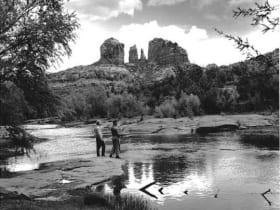
Oak Creek Canyon runs from Sedona north to the Mogollon Rim, dropping 3,400 feet in 16 miles.
Slide Rock State Park
16 miles away
The main feature at Slide Rock State Park is a natural water slide worn smooth by Oak Creek flowing over sandstone slabs for centuries.
Sunset Crater Volcano National Monument
18 miles away
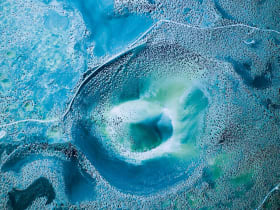
Sunset Crater erupted around 1085 CE, blanketing the surrounding ponderosa forest in volcanic ash.
Red Rock Scenic Byway
24 miles away
Red Rock Scenic Byway follows AZ-179 for about seven miles between the Village of Oak Creek and Sedona, threading past some of the most photographed red rock in the Southwest.

Historic Route 66, Flagstaff to Winslow
35 miles away
The Route 66 alignment east of Flagstaff passes through Winona (you need to know it) and ends at the famous Standin' on the Corner park in Winslow.

Grand Canyon National Park
65 miles away
A mile deep and up to 18 miles wide, revealing nearly two billion years of Earth's history in its walls.