

Papago Park
625 N Galvin Pkwy, Phoenix, AZ
Phoenix, AZ
A desert oasis in the middle of the city, where red-sandstone buttes rise beside easy trails, fishing lagoons, and the famous window of the Hole-in-the-Rock.
Papago Park is a great desert playground set right in the middle of the Phoenix metropolitan area, a place where striking red-sandstone buttes rise from the city floor, honeycombed with hollows and natural windows carved by wind and time. Laced with easy trails and dotted with fishing lagoons and picnic ramadas, it offers a taste of the raw Sonoran Desert without leaving town.
The park's signature is the Hole-in-the-Rock, a large natural opening in one of the buttes that you can scramble up to and stand within, gazing out through the stone frame at the city and the desert beyond. For centuries this very opening served as a kind of solar calendar for the ancient people who lived here. Add in the acclaimed Desert Botanical Garden and the Phoenix Zoo, and Papago Park packs an astonishing amount into one accessible desert oasis.
What Travelers Love
- Climbing up to the Hole-in-the-Rock for a framed view of the city and desert
- Easy desert trails and picnic spots right in the heart of the Valley
- The world-class Desert Botanical Garden and the Phoenix Zoo next door
- Glowing red buttes at sunrise and sunset
Worth Knowing
- Summer heat in the Valley is intense, so hike early or late and carry plenty of water
- The scramble up to the Hole-in-the-Rock is short but steep and rocky, so wear sturdy shoes
- It is a busy urban park, so weekends and evenings can be crowded
- Some attractions inside the park charge admission, though the trails are free
Learn about Papago Park
The buttes and the Hole-in-the-Rock
The park's dramatic buttes are made of red sandstone and conglomerate, rock formed from ancient sediments and stained warm by iron. Over long ages, wind and water weathered the softer pockets in the stone, hollowing out the caves, alcoves, and windows that give the buttes their distinctive Swiss-cheese look. The most famous of these is the Hole-in-the-Rock, a broad natural opening high in one butte.
The Hole-in-the-Rock is more than a scenic curiosity. The ancient Hohokam people who farmed this valley used the opening to track the sun, watching where its light fell through the hole across the year to mark the seasons and time their planting. Standing inside it today, looking out through the stone window at the sprawling modern city, you feel the deep continuity of people using this same red rock for a very long time.
The Hohokam and the valley they built
Long before Phoenix existed, the Salt River Valley was home to the Hohokam, master desert farmers who dug hundreds of miles of irrigation canals to water fields of corn, beans, squash, and cotton, sustaining large communities in this dry land for centuries. The park's buttes stood at the edge of that world, used for astronomy, ceremony, and shelter.
The Hohokam are the ancestors of today's O'odham peoples, including the Akimel O'odham, or River People, whose communities remain in the region as part of the Salt River Pima-Maricopa Indian Community and the Gila River Indian Community. When later settlers built Phoenix, they reused and rebuilt the very canals the Hohokam had dug, which is part of why the city took the name Phoenix, a place risen from what came before.
A desert park in the city
Papago Park manages to be many things at once. Its trails wind among the buttes and desert flats, easy enough for families and rewarding for the views, while stocked lagoons draw anglers and a golf course and ball fields fill other corners. Ramadas and lawns make it a favorite for picnics and gatherings, all within minutes of downtown.
The park also hosts two of the Valley's great institutions. The Desert Botanical Garden displays thousands of desert plants from around the world in beautifully designed grounds, a showcase of Sonoran and global desert life, while the neighboring Phoenix Zoo draws families year round. Together they make Papago Park not just a scenic escape but a full day's worth of desert experience.
Season by season
The cooler months from fall through spring are the prime season in the Valley of the Sun, with warm, sunny days perfect for hiking the buttes, picnicking, and touring the garden and zoo. Spring can bring desert wildflowers and blooming cactus, and the mild evenings are ideal for a sunset climb to the Hole-in-the-Rock.
Summer in Phoenix is famously hot, with intense midday heat that makes early morning or evening the only comfortable times to be outdoors. Visitors who come in the warm months hike at dawn, carry ample water, and save the middle of the day for the shaded and indoor attractions. Whatever the season, the red buttes glow their richest at sunrise and sunset, the best hours to see the park at its most beautiful.
Closest Boutels
The closest Boutel™ stays, so you can turn this stop into an overnight. Each is a place we chose through independent editorial review, never a paid placement.
Details
Phoenix, AZ
Frequently asked questions
What is Papago Park?
Papago Park, straddling the border of Phoenix and Tempe, is a beloved desert park known for its distinctive red sandstone buttes, easy trails, and family-friendly attractions. Its most famous feature is the Hole-in-the-Rock, a natural opening in a sandstone formation reached by a short walk, offering lovely views. The park is also home to the Desert Botanical Garden, the Phoenix Zoo, fishing lagoons, and a pyramid tomb, making it a versatile recreational hub that blends natural beauty, culture, and gentle outdoor fun in the heart of the valley.
What can you do at Papago Park?
You can take the short, popular walk up to the Hole-in-the-Rock formation for views over the city, stroll or bike easy trails among the red buttes, fish in the park's lagoons, and visit its major attractions, the world-class Desert Botanical Garden and the Phoenix Zoo. You can also see Hunt's Tomb, a small white pyramid on a hill with nice views. With its blend of easy nature, family attractions, and picnic spots, Papago Park offers something for nearly everyone.
What is the Hole-in-the-Rock at Papago Park?
The Hole-in-the-Rock is a natural opening eroded through a red sandstone butte in Papago Park, reached by a short, easy scramble from the parking area. From inside and around the opening, you get framed views over the park and the city, making it a favorite spot for photos, especially at sunset. The formation was historically used by Native peoples to track the sun and seasons. Its accessibility and scenic views make it one of the park's most popular and family-friendly features.
When is the best time to visit Papago Park?
The cooler months from fall through spring are most comfortable for enjoying the trails and outdoor attractions, while summer is hot, so early morning or evening visits are best then, with plenty of water. Sunset at the Hole-in-the-Rock is especially beautiful. The Desert Botanical Garden and Phoenix Zoo within the park can be enjoyed year-round, with cooler hours preferable in summer. For the fullest, most comfortable experience of the park's trails and formations, the milder months and gentler hours are ideal.
What is near Papago Park?
Papago Park is home to the Desert Botanical Garden and the Phoenix Zoo, and lies near Tempe with Arizona State University, the Salt River, and downtown Phoenix's museums and attractions, with Scottsdale and Camelback Mountain a short drive away. That makes Papago Park a central and versatile stop to combine with the Valley of the Sun's premier attractions, from the botanical garden and zoo right in the park to the museums, dining, and outdoor destinations across the Phoenix metropolitan area.
Nearby

Desert Botanical Garden
0.2 miles away
The Desert Botanical Garden in Papago Park has 50,000 plants representing 4,500 species from deserts worldwide, including one of the world's most comprehensive collections of Sonoran Desert plants.
Scottsdale Old Town
2.7 miles away
Scottsdale's Old Town has the highest concentration of Western art galleries in the United States.

Sonoran Desert
3.1 miles away
The Sonoran Desert covers 100,000 square miles of southwestern Arizona, southeastern California, and northwestern Mexico.

Camelback Mountain
4.4 miles away
Camelback Mountain rises 1,420 feet above the Phoenix Basin and has two routes to the summit: Echo Canyon (1.2 miles up, Class 3 scramble with cables) and Cholla Trail (1.8 miles, less technical).

Liberty Wildlife
5.5 miles away
One of the largest wildlife rehabilitation centers in the Southwest, in south Phoenix, heals thousands of injured desert animals a year and opens to the public, where rescued eagles, owls, hawks, and...
Roosevelt Row Arts District
6.7 miles away
Roosevelt Row (1st-3rd Streets, 1st-7th Avenues) is a 15-block district with over 100 painted murals, live-work artist studios, galleries, and some of Phoenix's best food and cocktail culture.

Heard Museum
7.4 miles away
The Heard Museum has the most comprehensive collection of Southwest Native American art and culture in the world.
South Mountain Park
10 miles away
South Mountain Park and Preserve covers 16,000 acres at the southern edge of Phoenix, making it one of the largest municipal parks in the United States.
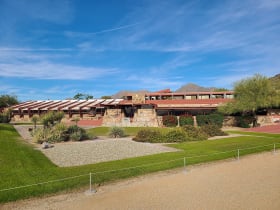
Taliesin West
12 miles away
Taliesin West was Frank Lloyd Wright's winter home and architecture school from 1937 until his death in 1959. The campus is still an active school (Frank Lloyd Wright School of Architecture).

Apache Trail Scenic Drive
27 miles away
The Apache Trail (AZ-88) follows the route used to haul supplies during the Roosevelt Dam construction.