


Desert Botanical Garden
1201 N Galvin Pkwy, Phoenix, AZ
Phoenix, AZ
Trails winding through thousands of cactus and desert plants from around the world, set among the red sandstone buttes of Papago Park.
The Desert Botanical Garden is a living museum of arid-land plants set among the red sandstone buttes of Papago Park, on the edge of Phoenix. Its trails wind through thousands of species of cactus, agave, and other desert plants, gathered not only from the Sonoran Desert that surrounds it but from dry regions all over the world, so a single walk can carry you from the American Southwest to Africa, South America, and Australia.
Founded in the 1930s by a small group of desert-plant enthusiasts who feared the region's cactus were being carted off and destroyed, the garden has grown into one of the most respected botanical institutions in the country. It is a place to learn how life thrives in the driest of climates, to see the desert bloom in spring, and to understand the plants and people who have long called this hot land home.
What Travelers Love
- Trails winding among towering saguaros and cactus from around the world
- The dramatic red buttes of Papago Park as a backdrop
- Spring wildflowers and blooming cactus lighting up the garden
- Evening events and warm desert light after the day cools
Worth Knowing
- Summer middays are very hot, so visit early or late and carry water
- The garden's plants have spines and thorns, so keep children and yourself on the paths
- Bloom timing shifts year to year, so spring is the safest bet for peak flowers
- It is an outdoor garden, so dress for the season and the sun
Learn about Desert Botanical Garden
Saving the desert's plants
The Desert Botanical Garden began in the 1930s, when a handful of residents alarmed by the wholesale removal of native cactus banded together to protect and study the desert's plants. They chose a rugged patch of Papago Park, and over the decades that followed the garden grew into a world-class collection and a leading center for the conservation and research of arid-land plants.
Today the garden holds a vast living collection and runs programs to save endangered desert species, restore habitat, and teach visitors about the ecology of dry lands. It is both a beautiful place to stroll and a serious scientific institution, a reminder that the desert, far from being empty, is one of the most botanically rich environments on earth.
The people of the Sonoran Desert
Long before the garden, this desert sustained thriving cultures. The Hohokam built an extensive network of irrigation canals across the Salt River valley and farmed the land for centuries. Their descendants and other peoples, including the Akimel O'odham and the Tohono O'odham, carried forward a deep knowledge of desert plants, harvesting saguaro fruit, mesquite pods, cholla buds, and agave for food, medicine, and materials.
The garden honors this heritage with plantings and exhibits that explain how desert peoples have used these plants for thousands of years, and how those traditions continue today. It is a reminder that the cactus and agave along the trails are not just curiosities but the foundation of desert life and culture.
Wildlife among the cactus
Even in the heart of the city, the garden buzzes with desert wildlife. Cactus wrens and curve-billed thrashers nest in the cholla, Gila woodpeckers hammer holes in the saguaros, hummingbirds work the flowers, and lizards dart across the warm rocks. In spring, the blooming cactus and wildflowers draw pollinators from bees to birds.
The saguaro itself is a small ecosystem, its holes serving as nesting sites for owls and other birds, its night-blooming white flowers pollinated by bats and its fruit feeding a host of desert creatures. Papago Park's buttes add habitat for rabbits, ground squirrels, and the occasional coyote, so the garden is as alive with animals as it is with plants.
Season by season
Spring is the star season, when wildflowers carpet the ground and the cactus burst into bloom, filling the garden with color and pollinators, the busiest and most beautiful time to visit. Summer is hot, often intensely so, so the best visits are early in the morning or in the cooler evening, when the garden hosts events and the light softens on the red rocks, and the night-blooming cactus and the late-summer monsoon are highlights.
Fall cools the air and brings a quieter, comfortable season for strolling among the plants, with the desert recovering from the heat. Winter is mild and sunny, ideal for daytime visits, and the garden fills with holiday lights and evening events as the desert's gentlest season settles in.
Closest Boutels
The closest Boutel™ stays, so you can turn this stop into an overnight. Each is a place we chose through independent editorial review, never a paid placement.
Details
Phoenix, AZ
Frequently asked questions
What is the Desert Botanical Garden?
The Desert Botanical Garden, in Phoenix's Papago Park, is a world-renowned garden dedicated to the plants of the desert, showcasing thousands of species of cacti, succulents, agaves, wildflowers, and trees from arid regions around the globe. Winding trails lead visitors through beautifully designed outdoor exhibits that reveal the surprising diversity and beauty of desert life, along with the cultures and wildlife connected to it. A signature Phoenix attraction, it offers a stunning, educational, and uniquely Southwestern outdoor experience for all ages.
What can you see at the Desert Botanical Garden?
You can stroll themed trails displaying towering saguaros and other cacti, colorful desert wildflowers, agaves, and succulents from around the world, and learn about desert ecology, Native cultures, and pollinators through interpretive exhibits. Seasonal highlights include spring wildflower blooms, a butterfly exhibit, and special art installations and evening events. The garden's beautiful design and variety make each visit rewarding, revealing that the desert, far from being barren, is full of remarkable, beautiful, and resilient life.
When is the best time to visit the Desert Botanical Garden?
The cooler months from fall through spring are the most comfortable for exploring the outdoor trails, with spring especially glorious for wildflower blooms and the seasonal butterfly exhibit. Summer in Phoenix is extremely hot, so if visiting then, go early in the morning or in the evening, when the garden sometimes offers special after-dark experiences, and carry water. The garden is beautiful year-round, but timing a visit for spring or a cool morning makes the experience far more pleasant.
What should I know before visiting the Desert Botanical Garden?
Because the garden is outdoors in the desert, come prepared for sun and heat: wear a hat, sunscreen, and comfortable walking shoes, and carry water, especially in the warmer months when early or evening visits are strongly advised. Allow a couple of hours to enjoy the trails at a relaxed pace. Checking the schedule for seasonal exhibits like the spring butterflies or special evening events before you go helps you plan around the experiences you most want to see.
What is near the Desert Botanical Garden?
The garden is in Papago Park in Phoenix, near the Phoenix Zoo, the park's distinctive Hole-in-the-Rock formation and hiking trails, and within easy reach of downtown Phoenix, Tempe, and Scottsdale with their museums, dining, and attractions. The broader Valley of the Sun surrounds the area. That makes the Desert Botanical Garden an easy centerpiece for a day exploring Phoenix's parks and culture, easily combined with the neighboring zoo and the region's many other attractions.
Nearby

Papago Park
0.2 miles away
Hole in the Rock is a natural opening in a red volcanic butte in Papago Park, a city park straddling the Phoenix-Scottsdale border.
Scottsdale Old Town
2.5 miles away
Scottsdale's Old Town has the highest concentration of Western art galleries in the United States.

Sonoran Desert
3.3 miles away
The Sonoran Desert covers 100,000 square miles of southwestern Arizona, southeastern California, and northwestern Mexico.

Camelback Mountain
4.4 miles away
Camelback Mountain rises 1,420 feet above the Phoenix Basin and has two routes to the summit: Echo Canyon (1.2 miles up, Class 3 scramble with cables) and Cholla Trail (1.8 miles, less technical).

Liberty Wildlife
5.7 miles away
One of the largest wildlife rehabilitation centers in the Southwest, in south Phoenix, heals thousands of injured desert animals a year and opens to the public, where rescued eagles, owls, hawks, and...
Roosevelt Row Arts District
6.9 miles away
Roosevelt Row (1st-3rd Streets, 1st-7th Avenues) is a 15-block district with over 100 painted murals, live-work artist studios, galleries, and some of Phoenix's best food and cocktail culture.

Heard Museum
7.6 miles away
The Heard Museum has the most comprehensive collection of Southwest Native American art and culture in the world.
South Mountain Park
11 miles away
South Mountain Park and Preserve covers 16,000 acres at the southern edge of Phoenix, making it one of the largest municipal parks in the United States.
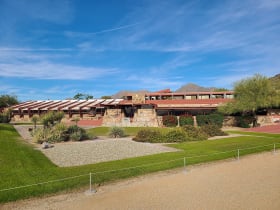
Taliesin West
12 miles away
Taliesin West was Frank Lloyd Wright's winter home and architecture school from 1937 until his death in 1959. The campus is still an active school (Frank Lloyd Wright School of Architecture).

Apache Trail Scenic Drive
27 miles away
The Apache Trail (AZ-88) follows the route used to haul supplies during the Roosevelt Dam construction.