
Heard Museum
2301 N Central Ave, Phoenix, AZ
Phoenix, AZ
One of the world's great museums of Native art and culture, told through the words and hands of Native people themselves, in the heart of Phoenix.
The Heard Museum is widely regarded as one of the finest museums of Native American art and culture anywhere in the world, and it sits right on Central Avenue in the heart of Phoenix. What sets it apart is its approach. Rather than displaying Native cultures from the outside, the Heard works closely with Native artists and communities to let them tell their own stories, in their own voices.
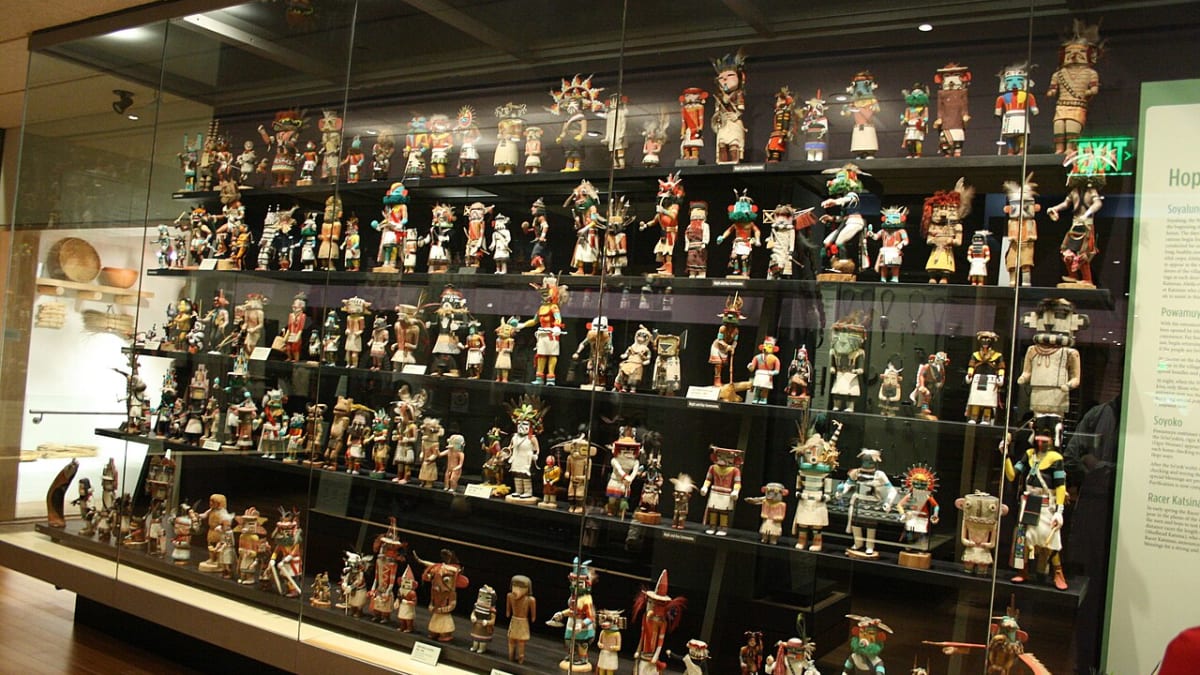
Founded in the twenties by a Phoenix couple who had gathered a large collection of Southwestern art, the museum has grown into a landmark, housed in a graceful Spanish Colonial building with cool, shaded courtyards that feel a world away from the city outside. Inside are celebrated collections of Hopi katsina dolls, Pueblo pottery, Navajo (Diné) weaving and jewelry, and basketry, shown beside the work of living Native artists who are shaping the art of today.
What Travelers Love
- Galleries that let Native artists and communities tell their own stories in their own words
- The renowned collections of Hopi katsina dolls, pottery, jewelry, and basketry
- The shaded courtyards and Spanish Colonial architecture, cool even in summer
- Contemporary Native art shown alongside the historic collections
Worth Knowing
- The museum is set indoors and in shaded courtyards, so it is a comfortable choice even on the hottest Phoenix days
- It is a substantial museum, so allow more time than you might expect to take it in properly
- The annual Guild Indian Fair and Market draws Native artists from across the country and is a highlight of the calendar
- The shop is a genuine source of authentic Native art bought directly, so it rewards a browse
Learn about Heard Museum
How the Heard came to be
The museum grew out of the private collection of Dwight and Maie Heard, a Phoenix couple deeply interested in the art of the Southwest. Over years of living in Arizona they gathered pottery, textiles, jewelry, and other works, and in 1929 they opened a museum on the grounds of their home to share it. Maie Heard ran the institution for many years after her husband's death and shaped its early direction.
From those beginnings the Heard grew steadily into one of the leading museums of its kind, expanding its buildings and its collections and, over time, transforming how it works. Where early museums often spoke about Native peoples, the Heard moved toward speaking with them, building lasting partnerships with tribes and Native artists so that the exhibitions carry Native perspectives at their core. That shift is part of what earned the museum its national reputation.
The collections and the courtyards
The Heard's collections span the Native arts of the Southwest and beyond, and several are considered among the very best. Its Hopi katsina dolls, its Pueblo and Navajo (Diné) pottery and textiles, its silver-and-turquoise jewelry, and its baskets draw scholars and admirers from around the world. The galleries move from historic works to bold contemporary art, so the story never feels frozen in the past.
The building itself is part of the pleasure. Its Spanish Colonial architecture, thick adobe-style walls, red-tile roofs, and open courtyards create shaded, fountain-cooled spaces that make even a summer visit comfortable. Sculpture and gardens fill the courtyards, and the whole design invites a slow, unhurried wander between indoor galleries and open air, a rhythm well suited to the desert.
Telling hard stories and living ones
One of the museum's most powerful exhibits confronts the history of Native American boarding schools, the government and church institutions that removed Native children from their families and tried to erase their languages and cultures. Told through the voices and belongings of those who lived it, the exhibit is a landmark of honest reckoning and one of the most affecting things a visitor sees here.
Alongside that history the Heard celebrates living, thriving Native culture. Its galleries showcase contemporary artists working in every medium, and its calendar centers on events like the Guild Indian Fair and Market and the World Championship Hoop Dance Contest, which fill the courtyards with artists, dancers, and music. The museum makes the point again and again that Native cultures are not relics but ongoing, changing, and very much alive.
Visiting through the year
Because so much of the Heard is indoors or in shaded courtyard, it is a fine destination in any season, and especially welcome in the brutal heat of a Phoenix summer, when its cool galleries are a genuine refuge from the sun.
The cooler months, roughly fall through spring, are the peak of the museum's public calendar, when Phoenix's mild weather draws visitors and the big fairs and markets fill the grounds. The Guild Indian Fair and Market in the spring and the Hoop Dance Contest in winter are among the year's highlights, so timing a visit to one of them adds a whole extra dimension to the museum.
Closest Boutels
The closest Boutel™ stays, so you can turn this stop into an overnight. Each is a place we chose through independent editorial review, never a paid placement.
Details
Phoenix, AZ
Frequently asked questions
What is the Heard Museum?
The Heard Museum, in downtown Phoenix, is one of the world's premier museums dedicated to the art and cultures of Native American peoples, especially those of the Southwest. Renowned for its outstanding collections and thoughtful, respectful presentation, it showcases everything from traditional pottery, textiles, jewelry, and katsina dolls to contemporary Native art, along with powerful exhibits on Native history, including the boarding-school era. Combining beautiful galleries, courtyards, and a celebrated shop, the Heard offers a rich, moving, and world-class window into Native American artistry and heritage.
What can you see at the Heard Museum?
You can explore galleries filled with exceptional Native American art and artifacts, including renowned collections of Hopi katsina dolls, Navajo textiles, pottery, and jewelry, alongside striking contemporary works by Native artists. A powerful signature exhibit examines the difficult history of Indian boarding schools. Rotating exhibitions, lovely courtyards, and an acclaimed gift shop selling authentic Native art round out a visit. The museum's blend of traditional and contemporary work, presented from Native perspectives, makes it both beautiful and deeply educational.
Why is the Heard Museum worth visiting?
The Heard is worth visiting for its world-class quality and its respectful, Native-centered approach, offering one of the finest collections of Southwestern Native American art anywhere alongside honest, moving exhibits on Native history and living cultures. Whether you are drawn to exquisite traditional craftsmanship, vibrant contemporary art, or a deeper understanding of Native experiences, the museum delivers on all fronts. Its beauty, depth, and thoughtful storytelling make it a standout cultural destination, widely regarded as a must-see in Phoenix and a highlight of the Southwest.
When is the best time to visit the Heard Museum?
As an indoor museum, the Heard is enjoyable year-round and makes an excellent choice during Phoenix's hot summers or any time, with a visit typically taking a couple of hours to appreciate the galleries. Checking the schedule for special exhibitions and its renowned events, such as the annual Native art fair and hoop-dance contest, can greatly enrich a visit. Weekdays are generally quieter. Any season works, with the museum offering a cool, enriching refuge especially welcome during the summer heat.
What is near the Heard Museum?
The museum is in central Phoenix, near the Phoenix Art Museum, downtown's cultural and sports venues, dining, and the light rail, with Papago Park, the Desert Botanical Garden, and the Phoenix Zoo a drive to the east and Scottsdale nearby. That makes the Heard Museum an easy and enriching stop to combine with the other museums and attractions of downtown Phoenix and the wider Valley of the Sun on a visit to central Arizona.
Nearby
Roosevelt Row Arts District
1.2 miles away
Roosevelt Row (1st-3rd Streets, 1st-7th Avenues) is a 15-block district with over 100 painted murals, live-work artist studios, galleries, and some of Phoenix's best food and cocktail culture.

Sonoran Desert
4.7 miles away
The Sonoran Desert covers 100,000 square miles of southwestern Arizona, southeastern California, and northwestern Mexico.

Liberty Wildlife
5.4 miles away
One of the largest wildlife rehabilitation centers in the Southwest, in south Phoenix, heals thousands of injured desert animals a year and opens to the public, where rescued eagles, owls, hawks, and...

Camelback Mountain
6.5 miles away
Camelback Mountain rises 1,420 feet above the Phoenix Basin and has two routes to the summit: Echo Canyon (1.2 miles up, Class 3 scramble with cables) and Cholla Trail (1.8 miles, less technical).

Papago Park
7.4 miles away
Hole in the Rock is a natural opening in a red volcanic butte in Papago Park, a city park straddling the Phoenix-Scottsdale border.

Desert Botanical Garden
7.6 miles away
The Desert Botanical Garden in Papago Park has 50,000 plants representing 4,500 species from deserts worldwide, including one of the world's most comprehensive collections of Sonoran Desert plants.
Scottsdale Old Town
8.7 miles away
Scottsdale's Old Town has the highest concentration of Western art galleries in the United States.
South Mountain Park
9.3 miles away
South Mountain Park and Preserve covers 16,000 acres at the southern edge of Phoenix, making it one of the largest municipal parks in the United States.
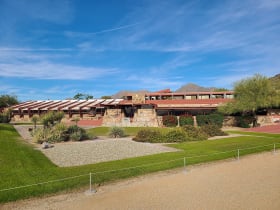
Taliesin West
16 miles away
Taliesin West was Frank Lloyd Wright's winter home and architecture school from 1937 until his death in 1959. The campus is still an active school (Frank Lloyd Wright School of Architecture).

Apache Trail Scenic Drive
34 miles away
The Apache Trail (AZ-88) follows the route used to haul supplies during the Roosevelt Dam construction.