
Long Beach Pacific Shoreline
Bolstad Ave beach approach
Long Beach, WA
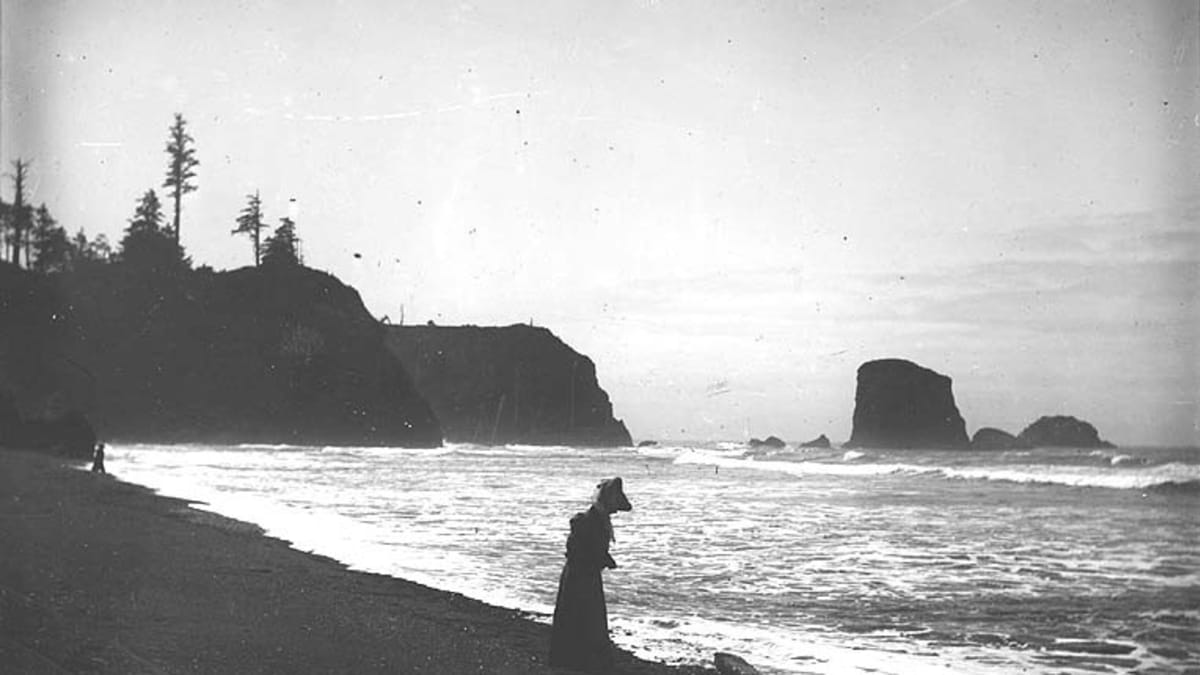
Twenty-eight miles of open Pacific sand, wide and hard-packed enough to walk, bike, fly a kite, or drive right down to the surf.
Stand where the boardwalk meets the sand at Long Beach and look north, and the shoreline simply keeps going until it dissolves into haze. This is the beach that gives the town and the whole peninsula their name, a broad, flat, hard-packed strand that runs some twenty-eight miles up Washington's southwest coast, promoted for generations as the longest continuous beach on a peninsula anywhere in the world.
It has been a destination for well over a century, one of Washington's oldest seaside resorts, and it still does the simple things beautifully. There is room here to lose the crowd within a few minutes' walk, to fly a kite in the constant wind, to hunt for sand dollars and driftwood, and, in the marked stretches, to actually drive your car down onto the sand and set up for the day. It is the rare beach big enough to feel wild even when the town behind it is busy.
What Travelers Love
- Miles of flat, hard-packed sand you can walk for as long as your legs hold out
- Driving right onto the beach in the allowed sections, a genuine novelty
- Big skies and steady wind that make it one of the country's great kite-flying spots
- Sunsets straight into the open Pacific and long, uncrowded beachcombing walks
Worth Knowing
- The beach is a legal state highway where driving is allowed, so watch for vehicles, obey posted speeds, and keep off the soft dry sand and the dunes
- The Pacific here is cold, with strong currents and sneaker waves, so wading is fine but swimming out is dangerous, and never turn your back on the surf
- Weather flips fast on this coast, so bring layers and a windbreaker even on a sunny day, and check the tide before a long walk
- Razor clam digs open on certain dates and draw big crowds, and they require a license, so check current rules if you want to join in
Learn about Long Beach Pacific Shoreline
A beach the length of a highway
The Long Beach Peninsula is a slender ribbon of land bounded by the Pacific on the west, the Columbia River to the south, and calm Willapa Bay to the east. The ocean beach runs almost the entire twenty-eight miles of it, and the sand is famously wide and firm, packed hard enough that for well over a hundred years people have used it as a road.
Long before the resorts, the Chinook people traveled this coast, using the beach itself as a natural highway between villages because the hard, level sand made an easier path than the forest behind it. That idea never really went away. Today parts of the beach are legally designated a state highway, and in the allowed sections you can drive right out onto the strand, a quirk that surprises first-time visitors and makes it easy to haul chairs, kites, and clam gear straight to the surf line.
How the resort towns grew up
Long Beach began as a summer escape for well-off Portlanders, who came downriver in the era before highways. Early visitors reached the peninsula by sternwheeler and stagecoach, and later by a little railroad, spending long weeks at the shore in a way that seems almost unimaginably slow now. It was not until roads finally connected the peninsula to the rest of Washington in the 1920s that the crowds and the day-trippers really arrived.
That long history left the peninsula with a friendly, old-fashioned resort feel: a walkable town with a beachfront boardwalk and discovery trail, saltwater-taffy shops, and just enough kitsch to be charming. But the star has always been the beach, and the towns still arrange themselves around getting people out onto it.
Wind, kites, clams, and the ends of the peninsula
The same steady ocean wind that can chill a picnic makes Long Beach one of the premier kite-flying spots in the country, and the sky over the sand is often dotted with color. The wide beach is just as good for a long bike ride, a beach fire, or a slow hunt for shells, sand dollars, and glass floats after a storm.
The peninsula's razor clam digs are a local institution, drawing diggers with buckets and headlamps to the tide line on the dates the season opens. And the beach anchors two wilder bookends: Cape Disappointment State Park with its lighthouses and dramatic headlands at the south, and Leadbetter Point with the Willapa National Wildlife Refuge at the quiet far north, where shorebirds gather and the dunes go untamed.
Enjoying it safely
The Pacific here is cold and powerful, with rip currents and the sudden surges called sneaker waves that can rush far up a flat beach. Wading and splashing at the edge are part of the fun, but real swimming is not, and the safest rule is to never turn your back on the surf and to keep small children close.
Because the beach doubles as a road, watch for slow-moving vehicles, keep to posted speeds if you drive, and stay off the soft dunes, which protect the shore and are easy to damage. Bring layers for the fast-changing coastal weather, check the tide before a long walk so you are not caught by a rising sea, and you have got yourself one of the great open beaches on the West Coast.
Closest Boutels
The closest Boutel™ stays, so you can turn this stop into an overnight. Each is a place we chose through independent editorial review, never a paid placement.
Details
Long Beach, WA
Frequently asked questions
What is the Long Beach Pacific shoreline?
The Long Beach Pacific shoreline, on the Long Beach Peninsula in southwestern Washington, is a vast stretch of sandy beach famous as one of the longest beaches in the country, running for around twenty-eight miles along the Pacific. This expansive, flat beach is a beloved destination for beach walking, kite flying, for which the area is renowned, beachcombing, horseback riding, and even driving on portions of the sand, which is legal on parts of the beach. Anchored by the charming town of Long Beach with its boardwalk and attractions, the Long Beach shoreline offers wide-open ocean scenery and classic beach fun on the southwestern Washington coast.
Can you drive on the beach at Long Beach?
Yes, driving on portions of the Long Beach shoreline is legal and a longtime tradition, as the wide, hard-packed sand functions as a public beach where vehicles are permitted on designated stretches, subject to rules including speed limits and seasonal or area restrictions to protect people and wildlife. Drivers must use caution, watch for pedestrians, kites, and soft sand where vehicles can get stuck, and be very mindful of the tides so as not to get trapped. Checking the current beach-driving rules and being cautious ensures a safe experience, though many visitors simply enjoy walking this expansive beach.
What safety tips apply at the Long Beach shoreline?
The Pacific here has powerful surf, cold water, and dangerous sneaker waves and rip currents, so swimming is risky and generally discouraged, and you should never turn your back on the ocean, keep well back from the water, and watch children closely. If driving on the beach, follow the rules, watch for pedestrians and soft sand, and mind the tides to avoid getting stuck or trapped by rising water. Be aware of vehicles if walking. Being mindful of the dangerous surf, the tides, and beach traffic ensures a safe visit to the Long Beach shoreline.
When is the best time to visit the Long Beach shoreline?
Summer offers the mildest, driest weather and the most comfortable beach conditions, making it the most popular time, and it coincides with the famous Washington State International Kite Festival, a highlight for the kite-loving area, while spring and fall bring beautiful, quieter beach scenery, and winter offers dramatic storm watching. The beach is enjoyable year-round for walking. For the best weather and beach fun, and especially for the kite festival, aim for summer, while the shoulder seasons offer lovely, less crowded beach walks along the Long Beach shoreline in southwestern Washington.
What is near the Long Beach Pacific shoreline?
The Long Beach Pacific shoreline is on the Long Beach Peninsula in southwestern Washington, near the town of Long Beach with its boardwalk and World Kite Museum, the historic village of Oysterville, Willapa Bay, the Cape Disappointment State Park, and within reach of Astoria, Oregon. That makes the Long Beach shoreline a classic beach stop to combine with the World Kite Museum, Oysterville, Cape Disappointment, and the other attractions of the Long Beach Peninsula on a visit to Washington.
Nearby
World Kite Museum
1.9 miles away
The World Kite Museum in Long Beach has a collection of more than 1,500 kites from 33 countries, displayed in changing exhibits covering military kites, fighter kites, Japanese rokkaku competition kit...

Cape Disappointment State Park
7.1 miles away
Cape Disappointment is where the Columbia River collides with the Pacific at the foot of the Long Beach Peninsula, a place of fog, wind, and enormous history.
South Jetty of the Columbia River
11 miles away
Drive to the end of Clatsop Spit in Fort Stevens State Park, near Hammond west of Astoria, to reach the South Jetty, where the mighty Columbia River pours into the Pacific across the Graveyard of the...
Oysterville
11 miles away
Oysterville was established in 1854 when Robert Espy and I.A. Clark discovered vast beds of native Olympia oysters in Willapa Bay.

Willapa National Wildlife Refuge
11 miles away
Willapa National Wildlife Refuge protects the tidal mudflats, salt marshes, and upland forests of Willapa Bay, one of the cleanest estuaries in the Pacific Northwest.
Fort Stevens State Park
12 miles away
At the wild northwest tip of Oregon where the Columbia River meets the Pacific, Fort Stevens stacks a Civil War through World War II coastal fort, the rusted beach wreck of the Peter Iredale, and warm...

Willapa Bay
18 miles away
Willapa Bay is the estuary between Long Beach Peninsula and the Washington coast and is one of the least developed large estuaries on the Pacific Coast.
The Goonies House
18 miles away
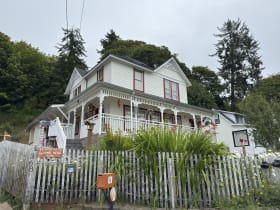
The hillside Victorian in Astoria that played Mikey's house in the 1985 movie The Goonies still stands above the Columbia River, at the top of its long gravel drive in the oldest town in the Pacific N...