


Cape Disappointment State Park
244 Robert Gray Dr
Ilwaco, WA
Two historic lighthouses, a Civil War fort, and the deadly bar of the Graveyard of the Pacific, all where Lewis and Clark first reached the sea.
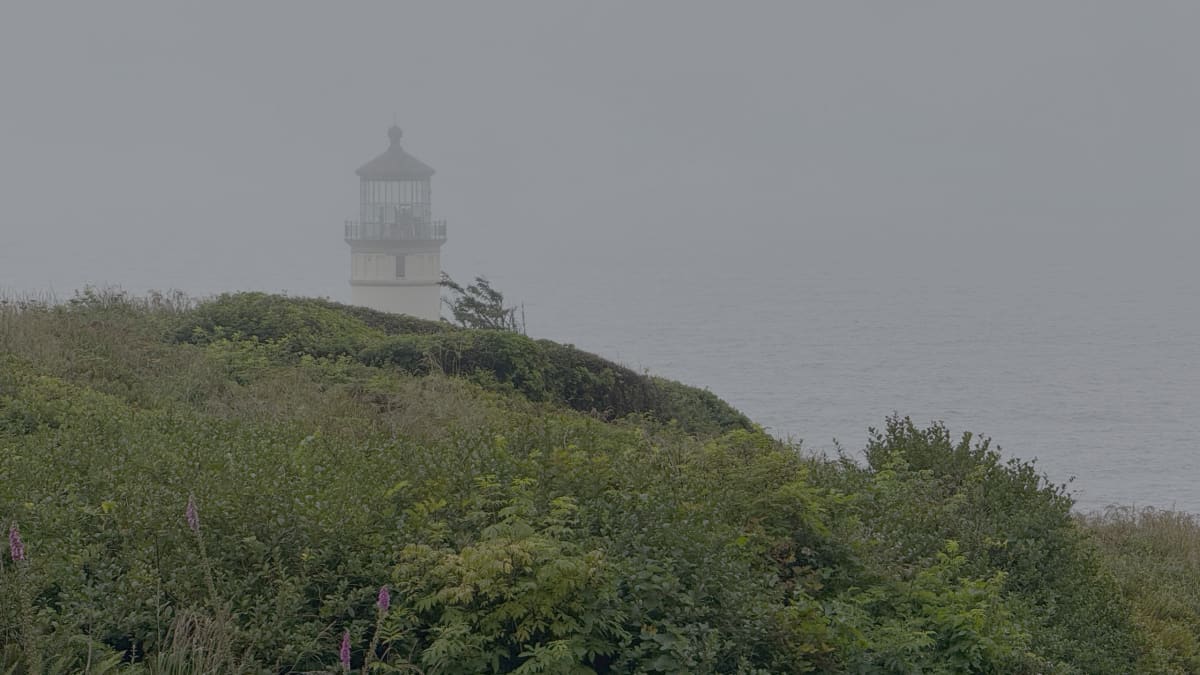
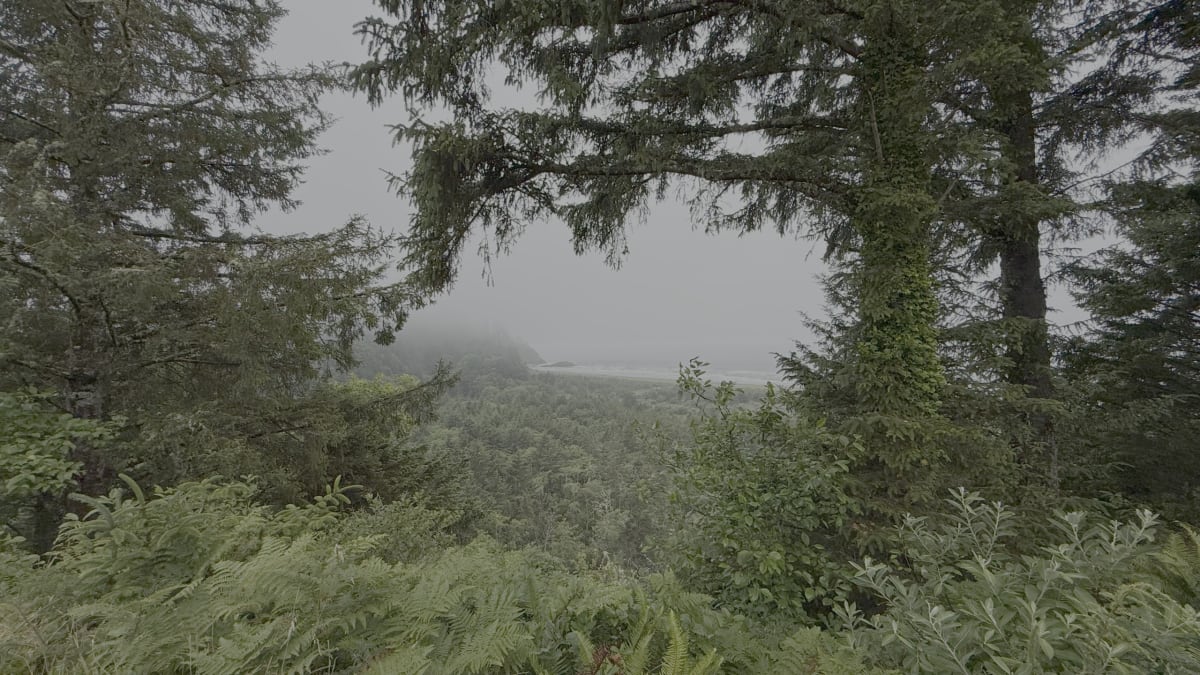
Cape Disappointment State Park sits at the wild meeting point of the Columbia River and the Pacific Ocean, at the southern tip of Washington's Long Beach Peninsula near the fishing town of Ilwaco. It is a place of dramatic headlands, old-growth forest, and almost constant fog and wind, crowned by two historic lighthouses that have guided ships across one of the most dangerous river entrances in the world.
Few parks pack in this much history. The cape was a Civil War era Army fort, it guards the deadly Columbia River Bar that gave the Graveyard of the Pacific its name, and it is where Lewis and Clark finally stood at the edge of the ocean in the winter of 1805. You can walk to a lighthouse, through the ruins of a gun battery, and into a museum of the whole story, all in a single afternoon.
What Travelers Love
- Two historic lighthouses you can hike to, including the oldest working one on the Pacific Coast
- Standing above the Columbia River Bar, where the river meets the ocean in a wall of surf
- Walking through the mossy concrete ruins of Fort Canby's gun batteries
- The Lewis and Clark Interpretive Center and the feeling of standing where the expedition reached the sea
Worth Knowing
- It is genuinely foggy, windy, and rainy here, so the lighthouses may be misted over; dress warm even in summer
- North Head Lighthouse tower tours generally run in the warmer months, while the Cape Disappointment light is a walk-up exterior view reached by a short trail
- A Washington Discover Pass is required to park anywhere in the park
- The bar currents, sneaker waves, and cliff edges are genuinely dangerous, so stay behind railings and well back from the surf
Learn about Cape Disappointment State Park
The two lighthouses
Two lighthouses stand guard on the cape, and together they tell you how hard this coast is to sail. The Cape Disappointment Lighthouse, first lit in 1856, is the oldest still working lighthouse on the Pacific Coast. Its supplies very nearly never arrived: the ship carrying the building materials wrecked on the bar right below the cape in 1853, and the crew barely made it ashore. When the tower was finally built, its top was too narrow to hold the enormous Fresnel lens, so workers had to take the upper section apart and rebuild it brick by brick.
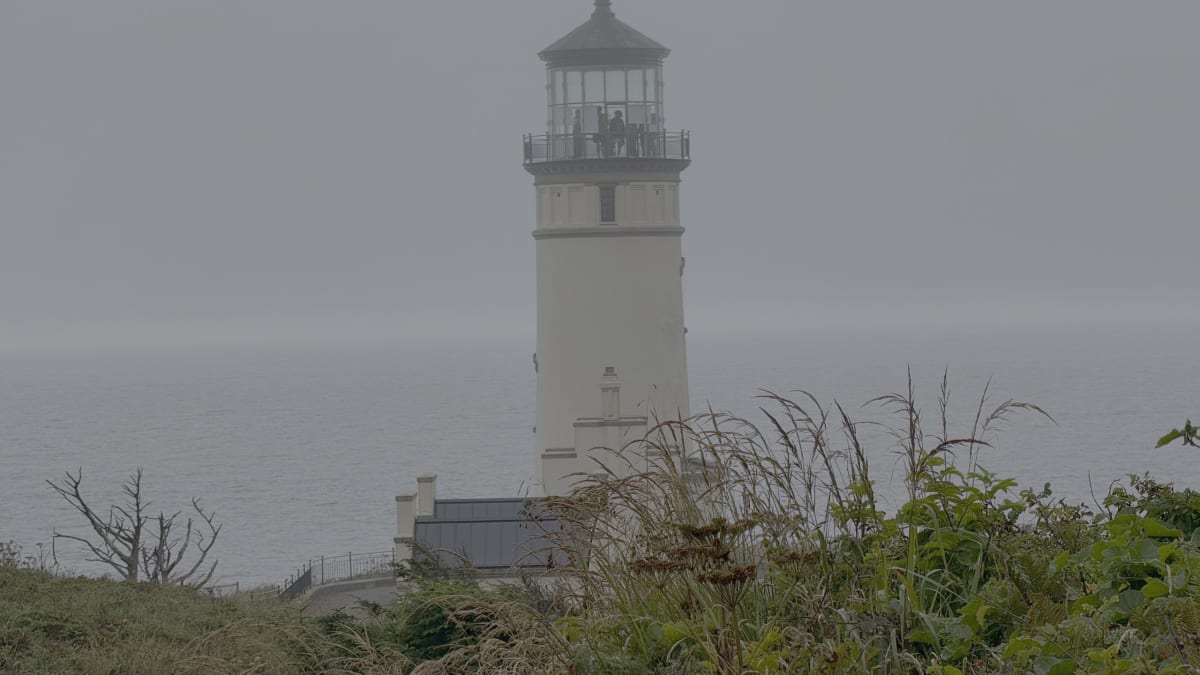
The lighthouse wears a single black band around its white tower, added around 1930 so sailors would not confuse it with the second light up the shore. That second light is North Head Lighthouse, built in 1898 on a high bluff two miles to the north. Ships coming down from the north could not see the Cape Disappointment light hidden behind the headland, and too many of them wrecked, so the government built North Head to cover the blind spot.
North Head stands in one of the windiest places in the country, where gusts have been clocked well past a hundred miles an hour. You can tour it and climb the tower in the warmer months, and the restored keepers' houses beside it are now vacation rentals. The Cape Disappointment light is a walk-up-and-look from the outside, reached by a short trail, and its original giant lens is now on display in the park's interpretive center.
The Graveyard of the Pacific
The water off the cape carries a grim nickname: the Graveyard of the Pacific. The long stretch of coast from Oregon up to Vancouver Island has swallowed more than two thousand ships over the past two centuries, and the Columbia River Bar right here is one of its most feared points. Where the huge outflow of the river slams into Pacific swells over a shifting bar of sand, calm water can turn into breaking walls of surf with almost no warning.
Hundreds of vessels are documented wrecked at or near the mouth of the Columbia alone. It is such demanding water that the Coast Guard runs its National Motor Lifeboat School here, the only school in the country for training rescue crews in heavy surf. On a rough day you may catch their motor lifeboats punching out through the bar on purpose, practicing in the very seas that everyone else is trying to escape.
Fort Canby and the guns of the Columbia
Long before it was a park, this was Fort Canby, one of three forts built to guard the mouth of the Columbia River, together with Fort Stevens across the water in Oregon and Fort Columbia just up the shore. The Army began fortifying the cape during the Civil War, in the 1860s, and later named the post for General Edward Canby, who was killed in the Modoc War.
Over the next eighty years the early earthwork guns gave way to concrete batteries with disappearing rifles that dropped out of sight to reload, and during World War Two new guns were dug into McKenzie Head to watch for enemy ships that never came. The fort was retired after the war and became a state park in the early 1950s. You can still walk through the mossy concrete ruins of Battery Harvey Allen and the McKenzie Head emplacement, quiet now under the spruce.
Where Lewis and Clark met the Pacific
This is the corner of the map the Corps of Discovery had walked across a continent to reach. In November 1805, after following the Columbia down toward its mouth, William Clark wrote in his journal the words that have echoed ever since: 'Ocian in view! O! the joy.' In truth he wrote them a little early, from a camp still up the wide estuary where the far shore only looked like open sea, but the feeling was real, and within weeks the group stood on this coast for good.
Clark himself came out to Cape Disappointment in late November 1805 with a small party who, in his words, wanted to see more of the ocean. The cape had been named years earlier, in 1788, by a British trader named John Meares, who sailed right past the mouth of the Columbia without realizing the great river was there and left disappointed. Today the Lewis and Clark Interpretive Center stands on the bluff above the water, marking the western end of the Lewis and Clark National Historic Trail and telling the expedition's whole story.
The park itself: beaches, forest, and fog
Beyond the history, Cape Disappointment is simply a beautiful, moody stretch of coast across more than two thousand acres. Benson Beach runs long and wild on the ocean side, while Waikiki Beach, tucked in the lee of the cape, took its unlikely tropical name from a Hawaiian sailor whose body washed ashore here after a shipwreck in the early 1800s. Dead Man's Cove hides below the cliffs, a tiny crescent of sand framed by dark rock and wind-bent trees.
Trails thread through old-growth Sitka spruce out to both lighthouses, the gun batteries, and the overlooks, and the paved Discovery Trail runs up the peninsula toward Long Beach. You can stay the night in tents, cabins, or heated yurts and settle in beside Lake O'Neil. Watch the headlands for gray whales passing on their migration, harbor seals and sea lions near the jetty, and bald eagles in the tall trees, with tide pools full of sea stars and anemones at low water.
Come ready for weather. This is one of the foggiest, windiest, rainiest corners of the coast, where the light and the sea can turn dramatic in minutes, which is exactly why storm-watchers love it in winter. A Washington Discover Pass is needed to park, summer is the busiest and driest season, and the same currents and cliffs that make the cape spectacular can be dangerous, so keep back from the edges and the surf.
Closest Boutels
The closest Boutel™ stays, so you can turn this stop into an overnight. Each is a place we chose through independent editorial review, never a paid placement.
Details
Ilwaco, WA
Frequently asked questions
What is Cape Disappointment State Park?
Cape Disappointment State Park, at the mouth of the Columbia River on the southwestern tip of Washington near Ilwaco, is a spectacular coastal park where the mighty river meets the Pacific Ocean amid dramatic cliffs, forests, and beaches. The park is famous for its two historic lighthouses, the Cape Disappointment and North Head lighthouses, its role in the Lewis and Clark expedition, which reached the Pacific here, and the excellent Lewis and Clark Interpretive Center perched on the cliffs. With rugged coastal scenery, lighthouses, beaches, trails, camping, and rich history, Cape Disappointment State Park offers a beautiful and fascinating destination at the meeting of the Columbia and the Pacific in Washington.
What can you do at Cape Disappointment State Park?
You can visit the two historic lighthouses and take in dramatic views where the Columbia River meets the ocean, explore the Lewis and Clark Interpretive Center on the cliffs, hike trails through forest and along the coast, relax on the beaches, camp at the campground, watch for wildlife and passing ships navigating the treacherous river bar, and learn about the area's rich history. The rugged scenery and lighthouses are highlights. With its lighthouses, interpretive center, trails, beaches, and history at the mouth of the Columbia, Cape Disappointment State Park offers a beautiful and engaging outdoor experience in southwestern Washington.
What safety tips apply at Cape Disappointment State Park?
The Pacific coast and the mouth of the Columbia have powerful surf, cold water, dangerous sneaker waves, and strong currents, so never turn your back on the ocean, keep well back from the water, watch children closely, and be aware of the tides. The area where the river meets the sea, known as the Columbia Bar, is notoriously treacherous, so respect the power of the water. On cliff-top trails, stay back from edges. Being mindful of the sneaker waves, currents, tides, and cliff edges ensures a safe visit to Cape Disappointment State Park.
When is the best time to visit Cape Disappointment State Park?
Summer offers the mildest, driest weather and the most comfortable conditions for the beaches, trails, and lighthouses, making it the most popular time, while spring and fall bring beautiful, moody coastal scenery and fewer crowds, and winter is dramatic for storm watching, when huge waves crash against the cliffs and the Columbia Bar. Clear days offer the best views. The lighthouses and interpretive center have seasonal hours, so checking is wise. For pleasant weather aim for summer, while winter offers dramatic storm watching at Cape Disappointment State Park.
What is near Cape Disappointment State Park?
Cape Disappointment State Park is at the mouth of the Columbia River near Ilwaco on the southwestern tip of Washington, near the Long Beach Peninsula with its long beaches, kite museum, and the historic village of Oysterville, Willapa Bay, and within reach of Astoria, Oregon, across the river. That makes Cape Disappointment State Park a spectacular stop to combine with the Long Beach Peninsula, Willapa Bay, Astoria, and the other attractions of the southwestern Washington coast on a visit to the state.
Outside the Park
South Jetty of the Columbia River
3.8 miles away
Drive to the end of Clatsop Spit in Fort Stevens State Park, near Hammond west of Astoria, to reach the South Jetty, where the mighty Columbia River pours into the Pacific across the Graveyard of the...
World Kite Museum
5.3 miles away
The World Kite Museum in Long Beach has a collection of more than 1,500 kites from 33 countries, displayed in changing exhibits covering military kites, fighter kites, Japanese rokkaku competition kit...

Long Beach Pacific Shoreline
6.3 miles away
A wide, hard-packed strand billed as the longest continuous beach on a peninsula anywhere, running some 28 miles up Washington's southwest coast.
Fort Stevens State Park
6.6 miles away
At the wild northwest tip of Oregon where the Columbia River meets the Pacific, Fort Stevens stacks a Civil War through World War II coastal fort, the rusted beach wreck of the Peter Iredale, and warm...
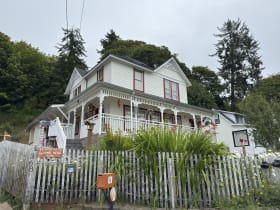
The Goonies House
14 miles away
The hillside Victorian in Astoria that played Mikey's house in the 1985 movie The Goonies still stands above the Columbia River, at the top of its long gravel drive in the oldest town in the Pacific N...

Willapa National Wildlife Refuge
17 miles away
Willapa National Wildlife Refuge protects the tidal mudflats, salt marshes, and upland forests of Willapa Bay, one of the cleanest estuaries in the Pacific Northwest.
Oysterville
18 miles away
Oysterville was established in 1854 when Robert Espy and I.A. Clark discovered vast beds of native Olympia oysters in Willapa Bay.

Gearhart Beach
18 miles away
A wide, dune-backed public beach on the quiet north Oregon coast, just above Seaside.