

Mystic Seaport Museum
75 Greenmanville Avenue
Mystic, CT
The largest maritime museum in America, a re-created seafaring village of tall ships, working shipyards, and salt-weathered shops along the Mystic River.
Mystic Seaport is the largest maritime museum in the United States, a sprawling 19-acre riverside site that recreates a 19th-century New England seafaring village and preserves one of the world's great collections of historic ships and boats. Walking its lanes, you pass a cooper, a shipsmith, a chapel, a bank, and a general store, all staffed by interpreters, while tall masts rise over the Mystic River behind them.
Its crown jewel is the Charles W. Morgan, the last wooden whaleship left in the world, launched in 1841 and now a National Historic Landmark you can board and explore. Add a working preservation shipyard where shipwrights still repair historic vessels, a planetarium, exhibit galleries, and river sails in season, and Mystic Seaport becomes less a museum you look at than a whole world of seafaring you step into.
What Travelers Love
- Climbing aboard the Charles W. Morgan, the last wooden whaleship in the world
- A whole re-created 19th-century village of shops, homes, and working trades
- A living shipyard where shipwrights still restore historic wooden vessels
- River sails and rides aboard historic and replica boats in season
Worth Knowing
- The site is large and outdoors; wear comfortable shoes and plan for several hours
- Tickets are often valid for a second consecutive day, useful for a big site
- Demonstrations, boat rides, and planetarium shows run on daily schedules
- Special festivals fill summer and fall weekends, lively but busy, so arrive early
Learn about Mystic Seaport Museum
The Charles W. Morgan and the fleet
The Charles W. Morgan is the heart of the museum. Built in 1841 in New Bedford, Massachusetts, she sailed on whaling voyages for eighty years, longer than any other American whaleship, before being preserved. Today she is the only wooden whaleship still in existence, restored to sailing condition and open for visitors to walk her decks and climb below to the cramped quarters where crews lived for years at a time.
The Morgan is only the most famous of the museum's ships. The collection includes the Sabino, a coal-fired steamboat that still carries passengers on the river, the training ship Joseph Conrad, the fishing schooner L. A. Dunton, and hundreds of smaller craft, one of the finest gatherings of historic watercraft anywhere.
In 2014 the restored Morgan made a remarkable 38th voyage, sailing New England waters again under her own rig after decades tied up, a reminder that the museum keeps its ships not as relics but as living vessels.
A village that works
Much of the museum is a re-created coastal village, assembled from period buildings, some original to the site and others moved here, and arranged along streets as a working seaport town might have looked in the 1800s. Interpreters in the roles of coopers, shipsmiths, printers, and shopkeepers demonstrate the trades that a seafaring economy depended on.
The centerpiece of the museum's craft is its preservation shipyard, where professional shipwrights carry out the painstaking work of restoring and maintaining wooden ships, including the Morgan herself. Visitors can watch this trade practiced with tools and techniques little changed in generations, from steaming and bending timbers to caulking seams.
Between the buildings and the wharves, the museum stages demonstrations of everything from oystering to rope-making to sea chanteys, and its galleries hold figureheads, scrimshaw, ship models, and paintings that fill in the wider story of America and the sea.
The making of the museum
Mystic itself was a shipbuilding town, and the museum stands on the site of a former shipyard, the Greenman brothers' yard, which launched vessels in the 19th century. That heritage made Mystic a fitting place to gather and preserve the fast-disappearing artifacts of the age of sail.
The museum was founded in 1929, at first to collect the tools, records, and relics of a maritime world that steam and steel were quickly ending. Over the following decades it grew by acquiring historic ships and buildings and assembling them into the village visitors know today.
This whole stretch of the Connecticut coast is deep seafaring country. The waters here were long fished and traveled by the region's Native peoples, and later Mystic and neighboring Stonington built and sailed whaling, fishing, and clipper ships that reached around the world, a history the museum keeps vividly alive.
Season by season
Spring reopens the full outdoor site and the river sailing season, a fresh and less crowded time to explore the ships and village.
Summer is peak season, with the fullest schedule of demonstrations, boat rides, and festivals, and long daylight to cover the large grounds, so an early start pays off.
Fall is a beautiful time along the river, with mild weather, thinner crowds, and popular seasonal festivals on the wharves.
Winter narrows the outdoor experience and some ships close for maintenance, but holiday programming, lantern-lit village nights, and indoor galleries give the season its own quieter charm.
Closest Boutels
The closest Boutel™ stays, so you can turn this stop into an overnight. Each is a place we chose through independent editorial review, never a paid placement.
Details
Mystic, CT
Frequently asked questions
What is the Mystic Seaport Museum?
The Mystic Seaport Museum, in Mystic, Connecticut, is the largest maritime museum in the country, a wonderful recreated nineteenth-century coastal village and a treasure trove of America's seafaring history. The sprawling museum features a re-created historic seaport village of shops, homes, and working craftspeople, along with a fleet of historic ships, including a famous surviving wooden whaling ship, a working shipyard, exhibits, and demonstrations that bring the age of sail and the maritime past vividly to life. Its immersive village and historic vessels make it a fascinating destination. A magnificent and immersive maritime museum, it delights visitors. With its seaport village and ships, the museum offers a compelling destination in Connecticut.
What can you see at the Mystic Seaport Museum?
You can explore a re-created nineteenth-century seaport village with shops, homes, and working craftspeople, board historic ships including a famous surviving wooden whaling ship, watch demonstrations at a working shipyard, and view exhibits on maritime history. The historic village, the fleet of ships, the working shipyard, and the demonstrations are the draws, making it an immersive and fascinating visit. The historic ships and the village are highlights. With its maritime heritage, the museum offers a rewarding experience in Mystic, Connecticut.
What is the whaling ship at the Mystic Seaport Museum?
The Mystic Seaport Museum is home to a famous surviving wooden whaling ship, one of the last of its kind, preserved as a centerpiece of the museum's fleet and a National Historic Landmark. The ship offers a tangible connection to the whaling era, an important but difficult chapter of maritime history, when such vessels sailed the world hunting whales, a practice long since ended. The museum interprets this history and the lives of those who sailed. Understanding this heritage enriches a visit to the Mystic Seaport Museum in Connecticut.
When is the best time to visit the Mystic Seaport Museum?
The mild months of late spring through early fall are the most pleasant for the largely outdoor village, ships, and grounds, with the fullest programming and demonstrations, while the museum may offer more limited access and special events, including a festive holiday season, in the colder months. Because access and programs are seasonal, checking current information before you go is wise. For the fullest experience, aim for late spring through early fall at the Mystic Seaport Museum in Connecticut.
What is near the Mystic Seaport Museum?
The Mystic Seaport Museum is in Mystic, Connecticut, within reach of the Mystic Aquarium, the historic village of Mystic, Bluff Point State Park in nearby Groton, and the other attractions of the Connecticut shoreline. That makes the Mystic Seaport Museum a compelling stop to combine with the Mystic Aquarium and the other attractions of Mystic on a visit to Connecticut.
Nearby
Mystic Aquarium
1.0 miles away
This is the stop kids ask for in Mystic. The aquarium keeps beluga whales in one of the largest outdoor beluga habitats in the country, and you can watch them glide past the underwater viewing windows...
Bluff Point State Park
4.5 miles away
This is the last big piece of wild coast in Connecticut, and it feels like it.
Napatree Point Conservation Area
6.5 miles away
A wild, undeveloped mile-long sand spit curving off Watch Hill, with open Atlantic on one side and calm bay on the other, the ruins of turn-of-the-century Fort Mansfield at the tip, and some of the be...
Flying Horse Carousel
6.6 miles away
Most visitors to Watch Hill notice the beach before they notice the little carousel on Bay Street, but it is the real treasure here.
Misquamicut State Beach
6.6 miles away
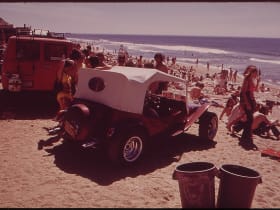
Rhode Island's largest state beach spreads a wide half-mile of warm, gentle Atlantic surf in Westerly, with a lively strip of vintage carousel, mini-golf, and water slides just behind the sand.
Custom House Maritime Museum
6.8 miles away
Most visitors to New London walk right past it, but this is the oldest custom house still working in the country.

Slater Memorial Museum
12 miles away
Hardly anyone outside Norwich knows this hall exists, and it is genuinely rare.
Florence Griswold Museum
19 miles away
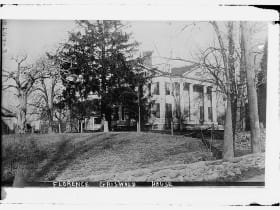
Art travelers know it, but many people passing Old Lyme miss that American Impressionism had its home here.