

Fourth Ward School Museum
537 South C St
Virginia City, NV
A four-story wooden schoolhouse from the silver-boom 1870s, the last of its kind standing in America, where the worn grooves of children's shoes are still in the floors.
The Fourth Ward School is not the kind of building that survives. It is four stories of wood, raised in 1876 at the height of the Comstock silver boom, topped with the fashionable mansard roof of the Second Empire style, and it is the last schoolhouse of its size and design still standing anywhere in the United States. Others like it burned or were torn down long ago. This one held on.
Behind that fact is a real place. More than a thousand children passed through its doors, in a building so modern for its time that it had indoor plumbing, drinking fountains, gas lighting, and central heat when most of the West had none of it. It taught its last class in 1936, sat empty for fifty years, and reopened in 1986 as a museum. Today it offers two draws in one, the landmark building itself and the boomtown story it now tells inside.
What Travelers Love
- Standing inside a genuinely intact 1876 building where you can see the wear of history underfoot
- The recreated period classroom that makes 19th-century school life tangible for kids and adults alike
- Knowledgeable, enthusiastic volunteers who bring the Comstock story to life
- The stacked storytelling, with mining, Mark Twain, printing, and boomtown history all under one roof
Worth Knowing
- It is a nonprofit-run historic site with a modest admission that supports the building's preservation, and there is a gift shop on site
- It is a multi-story historic wooden building, so expect stairs, and access to the upper floors is limited by the original 1876 construction
- Plan for a self-paced visit plus a short orientation film, and it pairs naturally with a walk of the C Street historic district
- Virginia City sits high in the mountains, so weather and seasons vary, and the museum's season and hours are seasonal, so confirm before visiting
Learn about Fourth Ward School Museum
The last of its kind
When the Comstock Lode made Virginia City one of the richest places on earth in the 1870s, the town built to match its ambitions. The Fourth Ward School, designed by architect C.M. Bennett and opened in 1877, was the grand statement: four full stories of wood under a mansard roof, big enough for grades one through nine and more than a thousand students at its peak.
It was startlingly modern. In an era when frontier towns made do with outhouses and lamplight, this school had flush toilets, drinking fountains, gas lighting, and central heat. Grand wooden schoolhouses like it once stood in prosperous towns across the country, but fire, decay, and demolition took them one by one. The Fourth Ward School is the sole survivor of its type, which is why it has been recognized as an American Treasure and why the building itself, not just its contents, is the reason to come.
Where the floors remember the children
What visitors love most is how real the inside feels. The interior is largely original, and the detail people remember is the floors: worn grooves where generations of children's shoes slid back and forth over the decades, a small, human record of the school's whole life. On the upper floors a classroom has been recreated down to the wall maps and the period lessons, so the way school actually worked in the 1800s becomes something you can stand inside.
The rest of the museum widens out into the story of the Comstock and the town. There are exhibits on mining and minerals, on printing and on Mark Twain's years writing for the local newspaper here, plus rotating galleries and a short film on how Virginia City helped fuel the growth of the American West. The volunteers who run it are famous among visitors for their knowledge and warmth, the kind of guides who turn a walk-through into a story.
A landmark within a landmark
The school taught its final class in 1936 and then stood empty and at risk for half a century. A nonprofit foundation took on its rescue, and since 1986 the building has been open as a museum, its preservation funded in large part by the visitors who come through.
It sits inside one of the most complete 19th-century townscapes in the West. All of Virginia City was named a National Historic Landmark in 1961 and listed on the National Register, and the school is one of its crown jewels. To visit is to stand in a preserved silver-boom schoolhouse, on a preserved silver-boom street, in a town that time has largely left as it was, a landmark within a landmark.
Visiting the Fourth Ward School Museum
The school anchors the south end of C Street, so a visit fits naturally into a day of walking Virginia City's old boardwalks and mine tours. Because it is a genuine 1876 wooden building, there are stairs and the upper floors are reached the way they always were, so plan for a self-paced climb through its rooms.
Give yourself time for the short orientation film and an unhurried wander, then step back out onto C Street to take in the rest of the town. Virginia City sits high in the mountains, and the museum keeps a seasonal schedule, so check before a long drive. It is the rare stop where the building you have come to see is every bit as remarkable as the story told inside it.
Closest Boutels
The closest Boutel™ stays, so you can turn this stop into an overnight. Each is a place we chose through independent editorial review, never a paid placement.
Details
Virginia City, NV
Frequently asked questions
What is the Fourth Ward School Museum?
The Fourth Ward School Museum, in the historic mining town of Virginia City, Nevada, is a beautifully preserved nineteenth-century schoolhouse, a striking four-story wooden building that served the children of the booming Comstock silver town. Built in the late 1870s as a state-of-the-art school, the grand Victorian building operated for decades and is now a museum, its preserved classrooms and exhibits telling the story of education, daily life, and the mining boom in Virginia City. A remarkable survivor of the Comstock era, it offers a fascinating window into frontier school days and town history. With its historic schoolhouse and exhibits, the Fourth Ward School Museum offers a fascinating destination in Nevada.
What can you see at the Fourth Ward School Museum?
You can explore the grand historic four-story schoolhouse, seeing preserved classrooms furnished as they were, along with exhibits on education, daily life, mining, and the history of Virginia City and the Comstock Lode. The impressive Victorian school building, the preserved classrooms, and the exhibits on boomtown life and history are the highlights, offering an engaging look at frontier education and the silver-rush era. Its scale and preservation are remarkable for the region. With its historic schoolhouse and exhibits, the Fourth Ward School Museum offers an engaging visit in Virginia City, Nevada.
When is the best time to visit the Fourth Ward School Museum?
The museum is typically open seasonally, generally in the warmer months, aligning with Virginia City's tourism season, and as an indoor historic site it can be enjoyed in various weather when open. Because it is seasonal, checking current hours before you go is important. It pairs naturally with exploring the rest of historic Virginia City. For the fullest experience during its open season, aim for the warmer months at the Fourth Ward School Museum in Virginia City, Nevada.
What should I know before visiting the Fourth Ward School Museum?
The Fourth Ward School Museum is a historic multi-story building, so exploring it involves stairs between its floors, and it is typically open on a seasonal schedule, so checking current hours before you go is wise. Admission supports the preservation of the historic schoolhouse. It makes a rewarding stop alongside Virginia City's other historic attractions like Piper's Opera House and the mine tours. Planning around the seasonal hours ensures a rewarding visit to the Fourth Ward School Museum in Virginia City, Nevada.
What is near the Fourth Ward School Museum?
The Fourth Ward School Museum is in Virginia City, Nevada, near Piper's Opera House and the town's historic streets, mines, and saloons, within reach of Carson City with the Nevada State Railroad Museum, the Genoa Bar and Saloon, Reno, and Lake Tahoe. That makes the Fourth Ward School Museum a fascinating stop to combine with Piper's Opera House, historic Virginia City, and the other attractions of western Nevada on a visit to the state.
Nearby

Piper's Opera House
0.5 miles away
The grand 1885 music hall of the silver-boom Comstock, where Mark Twain lectured and Lily Langtry sang, with a springy old stage still standing.

Virginia City
0.5 miles away
The silver city that helped bankroll the Union, gave Mark Twain his pen name, and never quite let go of its boomtown swagger.
Washoe Lake State Park
6.9 miles away
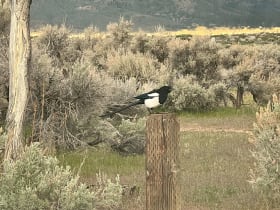
Washoe Lake State Park sits in Washoe Valley just off US-395, roughly 5 miles north of Carson City and about 18 miles south of Reno.
Nevada State Railroad Museum
13 miles away
The Nevada State Railroad Museum preserves the history of Nevada's railroads with a focus on the Virginia and Truckee Railroad, the narrow-gauge line that connected the Comstock Lode mines to the Cars...
Lake Tahoe East Shore Trail
16 miles away
A paved, easy three-mile path along Lake Tahoe's stunning northeast shore, running from Incline Village down to the granite coves of Sand Harbor.

Lake Tahoe Nevada State Park
16 miles away
Lake Tahoe is the largest alpine lake in North America by volume, holding enough water to flood the entire state of California to a depth of 14 inches.

Sand Harbor State Park
17 miles away
Lake Tahoe's most beloved beach, a cove of pale sand, glass-clear turquoise water, and rounded granite boulders you can swim out to and climb.
National Automobile Museum
17 miles away
The National Automobile Museum sits along the Truckee River in downtown Reno and grew out of the enormous private collection assembled by casino owner Bill Harrah, who at one point owned well over a t...
Fleischmann Planetarium
19 miles away
The Fleischmann Planetarium sits on the University of Nevada, Reno campus, a short drive north of downtown.