
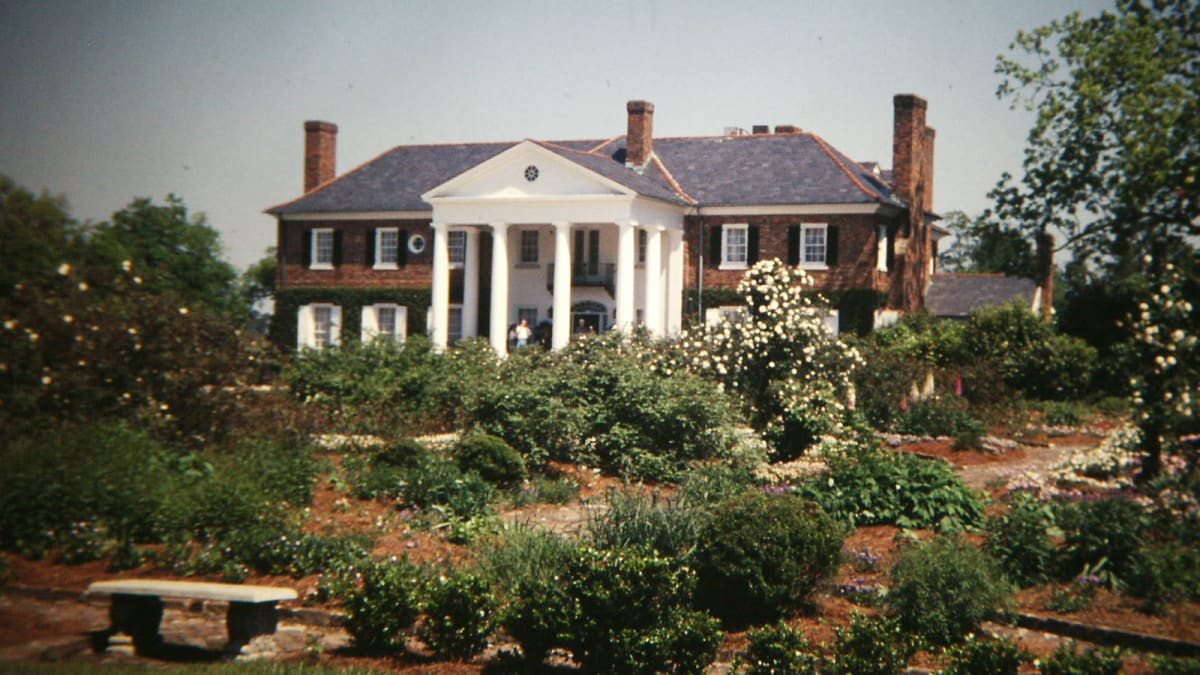
Boone Hall Plantation
1240 State Rd S-10-97, Mt Pleasant, SC
Mt Pleasant, SC
A long avenue of ancient live oaks leading to a Lowcountry plantation, where the beauty and the brutal history of the region stand side by side.
Boone Hall is one of the Lowcountry's most famous plantations, known first for its Avenue of Oaks, a long straight drive lined with live oaks planted centuries ago, their moss-hung limbs meeting overhead into a green tunnel. Beyond that celebrated approach lies a working estate that has grown crops on this ground for more than three hundred years, and a house set among gardens and fields.
But the beauty of the place cannot be separated from its history. Boone Hall was built and sustained by the forced labor of enslaved people, and a row of original brick slave cabins still stands on the grounds. The site now tells that story directly, alongside the culture of the Gullah Geechee descendants of the enslaved, making a visit both lovely and sobering.
What Travelers Love
- The dramatic Avenue of Oaks, a long approach beneath centuries-old moss-draped trees
- Original brick slave cabins preserved as an unflinching part of the site's history
- Presentations on Gullah culture and the lives of the enslaved who built the estate
- Seasonal fields where visitors can pick strawberries and other produce
Worth Knowing
- The plantation charges an entry fee that includes the grounds and house tour
- The site presents the hard history of slavery directly, which is part of an honest visit
- It remains a working farm, so some fields are seasonal for u-pick produce
- The house is privately occupied, so touring follows a set route and schedule
Learn about Boone Hall Plantation
The Avenue of Oaks
The image most people carry away from Boone Hall is the Avenue of Oaks, a long drive lined on both sides with live oaks reportedly planted in the eighteenth century. Over the generations their branches have grown across the road and knit together overhead, draped in Spanish moss, so that arriving at the house means passing through a cathedral of living wood.
The avenue is one of the most photographed sights in the Lowcountry, and it has stood in for many antebellum settings on screen. Yet it was planted for a plantation owner's pleasure and prestige, and like everything grand about such estates, it was made possible by the labor of enslaved people, a truth that the site's fuller interpretation keeps in view.
Slavery, the brick cabins, and Gullah heritage
Standing along the approach is a row of small brick cabins, built in the early nineteenth century, that housed enslaved workers on the plantation. These original structures are among the site's most important features, physical evidence of the people whose forced labor produced the wealth the grand house represents.
Boone Hall now devotes real attention to that history and to the Gullah Geechee culture that grew from it. Enslaved Africans in the Lowcountry, isolated on the sea islands, developed a distinct language, foodways, crafts, and spiritual traditions that their descendants preserve to this day. Live presentations on the grounds share Gullah stories, song, and history, turning what was long a one-sided narrative into a fuller and more honest one.
A working farm for three centuries
Boone Hall has been under continuous cultivation since the late 1600s, one of the oldest working farms in the country. Over the centuries it grew indigo, cotton, and pecans, and the estate once ran a brickmaking operation whose bricks built the cabins and other structures on site and beyond.
It remains a farm today. In the warmer months its fields open for u-pick produce, most famously strawberries in spring, and the seasonal rhythm of planting and harvest still shapes the place. That living, working quality distinguishes it from plantations preserved purely as house museums.
Visiting and the Lowcountry around it
The plantation lies just outside Mount Pleasant, an easy drive from downtown Charleston across the Cooper River. A visit typically includes the grounds, the gardens, the cabins, a tour of the house, and the Gullah presentations, and it rewards visitors who come ready to hold both the beauty and the difficult history together.
Mount Pleasant itself offers the shrimp boats and seafood of Shem Creek, and the beaches of the outer islands are close by. Downtown Charleston, with its markets and historic streets, lies just across the water, so Boone Hall fits naturally into a broader Lowcountry itinerary that traces the region's layered past.
Closest Boutels
The closest Boutel™ stays, so you can turn this stop into an overnight. Each is a place we chose through independent editorial review, never a paid placement.
Details
Mt Pleasant, SC
Frequently asked questions
What is Boone Hall Plantation?
Boone Hall Plantation, in Mount Pleasant near Charleston, South Carolina, is a historic plantation famous for its breathtaking Avenue of Oaks, a long drive lined with majestic live oaks draped in Spanish moss planted centuries ago. One of the oldest working plantations in the country, Boone Hall features the avenue, a mansion, gardens, and, significantly, a row of original brick slave cabins that now house an acclaimed exhibit on Gullah culture and the lives of the enslaved people who lived and labored there. The site interprets its full history alongside its beauty. With its iconic Avenue of Oaks and important history, Boone Hall Plantation offers a fascinating destination in South Carolina.
What can you see at Boone Hall Plantation?
You can drive or walk the stunning Avenue of Oaks lined with ancient moss-draped live oaks, tour the mansion and gardens, and, most significantly, visit the original brick slave cabins that house exhibits and presentations on Gullah culture and the lives of the enslaved people who lived and worked at the plantation, including live Gullah cultural presentations. The iconic oak avenue and the powerful history exhibits are both central to a visit. With its Avenue of Oaks, gardens, and important interpretation of slavery and Gullah heritage, Boone Hall Plantation offers a meaningful experience near Charleston, South Carolina.
Does Boone Hall Plantation address the history of slavery?
Yes, Boone Hall Plantation addresses the history of slavery directly and meaningfully, with an acclaimed exhibit housed in the original brick slave cabins that shares the lives, labor, and experiences of the enslaved people who worked the plantation, along with live presentations on Gullah culture, the traditions of the descendants of enslaved Africans in the Lowcountry. This honest interpretation honors those whose stories were long overlooked and gives visitors a fuller, truthful understanding of the plantation's history. Engaging with this important history and the Gullah heritage is a central and meaningful part of a visit to Boone Hall Plantation in South Carolina.
When is the best time to visit Boone Hall Plantation?
Spring is a beautiful time to visit, when the gardens bloom and the Avenue of Oaks is lush, though it draws crowds, while other seasons offer their own appeal, with pleasant weather and color in fall, mild winters, and lush greenery in summer, though summer is hot and humid. The site sometimes hosts seasonal festivals. For the best combination of pleasant weather and beauty, aim for spring or fall at Boone Hall Plantation near Charleston, South Carolina.
What is near Boone Hall Plantation?
Boone Hall Plantation is in Mount Pleasant near Charleston, South Carolina, near Patriots Point and the USS Yorktown, within reach of historic Charleston with its City Market and Fort Sumter, the Angel Oak, and the Lowcountry plantations. That makes Boone Hall Plantation a fascinating stop to combine with Patriots Point, historic Charleston, and the other attractions of the Charleston area on a visit to South Carolina.
Nearby

Patriots Point and the USS Yorktown
6.1 miles away
For kids who like big machines, this is the standout day in Charleston.

Fort Sumter
7.2 miles away
Half the fun for kids is getting there, because Fort Sumter can only be reached by boat.

Charleston City Market
7.6 miles away
The market itself is touristy, but slow down for the sweetgrass basket makers and it becomes something else.

Magnolia Plantation and Gardens
15 miles away
Everyone books Middleton or Boone Hall; fewer realize the oldest public garden in America is right next door.

Cypress Gardens
16 miles away
This is the classic Lowcountry swamp made walkable, and paddleable.

Angel Oak
17 miles away
One tree, and it stops people cold. The Angel Oak on Johns Island is a Southern live oak thought to be 400 to 500 years old, among the oldest living things east of the Mississippi.

Middleton Place
19 miles away
The gardens most people picture when they imagine a Southern estate are here, and they are older than the country.

Mepkin Abbey
20 miles away
It surprises people that a Trappist monastery sits out here on the Cooper River, its gardens open to anyone who wants quiet.