
Mepkin Abbey
1087 Mepkin Abbey Rd, Moncks Corner, SC
Moncks Corner, SC
Trappist monks keep a life of prayer and silence on a bluff above the Cooper River, amid oak avenues and gardens where rice fields once lay.
Mepkin Abbey is a working monastery of Trappist monks, a Catholic order devoted to a life of prayer, silence, and simple labor, set on a beautiful bluff above the Cooper River in the Lowcountry. The monks who live here follow the ancient rhythm of monastic life, gathering through the day and before dawn to chant the psalms, and the whole place is shaped by a quiet so deep that visitors often speak of feeling it settle over them the moment they arrive.
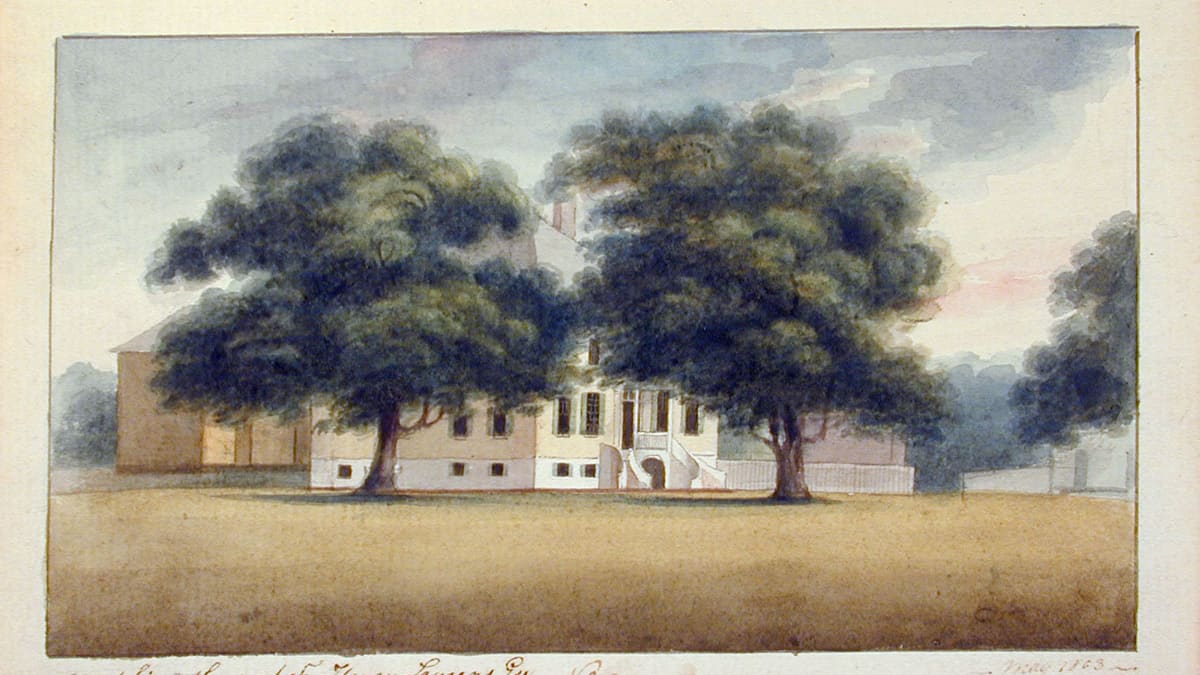
The land carries a long history. Long before the monastery, it was a rice plantation along the Cooper River, worked by enslaved people of African descent, and later the estate of the publisher Henry Luce and the writer and diplomat Clare Boothe Luce, who gave it to the Trappists in the 1940s. Today its avenues of ancient live oaks, its gardens, and its river views make it one of the most peaceful places in South Carolina, open to all who come in a spirit of reflection.
What Travelers Love
- A deep, restorative quiet unlike almost anywhere else in the Lowcountry
- Serene gardens and long avenues of live oaks above the Cooper River
- The chance to attend the monks' sung prayer services
- A working monastery that warmly welcomes visitors and retreatants
Worth Knowing
- This is a place of prayer and silence, so keep voices low and dress modestly
- The grounds and gardens welcome visitors, with guided and self-guided options
- Visitors may attend the monks' daily prayer services if they wish
- Overnight retreats are available for those seeking quiet reflection
Learn about Mepkin Abbey
From rice fields to a place of prayer
For much of the eighteenth and nineteenth centuries, Mepkin was a rice plantation on the Cooper River, its wealth built on the forced labor of enslaved Africans whose skill in cultivating rice made the Lowcountry rice economy possible. Their history is part of the land, and the abbey acknowledges the people who lived and worked here in bondage as an essential chapter of the place's past.
In the twentieth century the estate came into the hands of Henry and Clare Boothe Luce, prominent figures in American publishing and public life, who developed its gardens and grounds. In 1949 they gave the property to the Trappist order to found a monastery, and monks have lived and prayed here ever since, turning a place once defined by labor and privilege into one devoted to contemplation.
The monks and their life
The Trappists, formally the Order of Cistercians of the Strict Observance, follow a centuries-old way of life centered on prayer, silence, community, and manual work, summed up in the old motto of prayer and labor. The monks of Mepkin rise long before dawn and gather in the church several times a day to sing the psalms, structuring their whole day around worship.
They support themselves through their own labor, and over the years Mepkin has been known for enterprises such as tending gardens and mushrooms and selling goods to visitors. Guests are welcome to attend the sung prayer services, which are open to the public, and many find the chanting in the plain, light-filled church one of the most moving parts of a visit.
Gardens, oaks, and the river
The grounds of Mepkin are as much a draw as its spiritual life. Long avenues of live oaks, draped in Spanish moss, lead through the estate, and formal and botanical gardens, some dating to the Luce era, spill down toward the Cooper River. A bluff-top overlook gives a wide, peaceful view over the water and the old rice lands beyond.
It is a landscape made for slow walking and quiet sitting, with benches, reflecting spaces, and a labyrinth for meditation. The gardens change with the seasons, camellias and azaleas in the cooler months, lush green in summer, and the whole place is kept with the same care and simplicity that marks the monks' life, so that the natural beauty and the atmosphere of prayer reinforce each other.
Visiting and retreats
Mepkin welcomes day visitors to walk the grounds and gardens, attend prayer services, and visit its reception and gift areas, asking only that guests respect the silence and dress modestly, since this is above all a place of prayer. Guided tours help visitors understand the history and the monastic life.
For those who want to go deeper, the abbey offers overnight retreats, giving guests the chance to share in the monastery's quiet, attend the prayer offices, and step out of the noise of ordinary life for a time. Whether for an hour or several days, the gift Mepkin offers is the same: stillness, beauty, and space to reflect.
Closest Boutels
The closest Boutel™ stays, so you can turn this stop into an overnight. Each is a place we chose through independent editorial review, never a paid placement.
The Station by Compo Hotels
Boutel745 Old Buncombe Rd, Travelers Rest, SC 29690, Travelers Rest, SC
191 miles away|Learn More ›
Details
Moncks Corner, SC
Frequently asked questions
What is Mepkin Abbey?
Mepkin Abbey, along the Cooper River near Moncks Corner in the Lowcountry of South Carolina, is a beautiful and serene Trappist monastery, home to a community of Catholic monks who live a contemplative life of prayer and work. Set on the grounds of a former plantation amid gorgeous gardens, ancient live oaks, and riverside scenery, the abbey welcomes visitors to experience its peaceful atmosphere, stroll the botanical gardens, visit the church and gift shop, and even join in prayer services. A place of tranquility and spiritual beauty, Mepkin Abbey offers a reflective retreat. With its serene grounds and monastic setting, Mepkin Abbey offers a peaceful destination in South Carolina.
What can you do at Mepkin Abbey?
You can stroll the beautiful botanical gardens and grounds with their ancient live oaks and riverside scenery, visit the church, browse the gift shop featuring the monks' products, walk the peaceful paths, attend a prayer service if you wish, and experience the serene, contemplative atmosphere of the working monastery. The gorgeous gardens, the tranquility, and the spiritual setting are the draws, offering a reflective and peaceful visit. Because it is an active monastery, visitors come respectfully. With its serene gardens and monastic peace, Mepkin Abbey offers a rewarding and tranquil experience near Moncks Corner, South Carolina.
How should I visit Mepkin Abbey respectfully?
Because Mepkin Abbey is an active monastery and place of prayer, please visit respectfully, keeping quiet and reverent especially in the church and during services, dressing modestly, following any posted guidance and the monastery's schedule, and honoring the contemplative atmosphere the monks maintain. Visitors are warmly welcomed but asked to preserve the peace and sacredness of the setting. Checking visiting hours and any guidance before you go is wise. Approaching the abbey with the quiet respect due a place of prayer ensures a meaningful visit to Mepkin Abbey in South Carolina.
When is the best time to visit Mepkin Abbey?
Spring and fall offer the most pleasant weather to enjoy the abbey's beautiful gardens and grounds, with spring bringing blooms and fall pleasant temperatures, while the serene setting is lovely year-round. The abbey keeps visiting hours that respect the monastic schedule, so checking current times before you go is important. Weekdays are often quieter and more contemplative. For the most beautiful gardens and comfortable weather, aim for spring or fall, visiting respectfully during open hours, at Mepkin Abbey near Moncks Corner, South Carolina.
What is near Mepkin Abbey?
Mepkin Abbey is along the Cooper River near Moncks Corner in the Lowcountry of South Carolina, within reach of Cypress Gardens, the Old Santee Canal Park, historic Charleston to the south, and the Lowcountry rivers and swamps. That makes Mepkin Abbey a peaceful stop to combine with Cypress Gardens, the Old Santee Canal Park, and the other attractions of the Lowcountry near Charleston on a visit to South Carolina.
Nearby

Cypress Gardens
4.3 miles away
This is the classic Lowcountry swamp made walkable, and paddleable.
Old Santee Canal Park
5.5 miles away
Almost nobody expects to find the first true canal in America in a swamp behind Moncks Corner.

Middleton Place
18 miles away
The gardens most people picture when they imagine a Southern estate are here, and they are older than the country.

Magnolia Plantation and Gardens
19 miles away
Everyone books Middleton or Boone Hall; fewer realize the oldest public garden in America is right next door.

Boone Hall Plantation
20 miles away
The oak allee is the shot everyone knows, but the reason to stop is what stands at the end of it.