

Sternberg Museum of Natural History
2405 Vine St, Hays, KS
Hays, KS
The famous fish-within-a-fish fossil and towering sea reptiles show what Kansas looked like when it lay beneath a warm inland ocean.
The Sternberg Museum of Natural History in Hays holds one of the finest collections of Cretaceous marine fossils in the world, drawn largely from the chalk beds of western Kansas. Tens of millions of years ago this part of the continent lay beneath a warm inland sea, and the creatures that swam and sank in it, giant fish, toothy marine reptiles, flying reptiles, and more, were preserved in the soft chalk that erosion later exposed.
The museum's most famous treasure is the fish-within-a-fish, a large predatory fish that died shortly after swallowing a smaller fish whole, both fossilized together in a single dramatic specimen. It stands as a signature of the collection and a vivid window into the deep past, telling visitors that where wheat fields now roll, an ocean once teemed with life.
What Travelers Love
- The renowned fish-within-a-fish fossil, a large fish that died with a smaller fish inside it
- Giant marine reptiles and other creatures from the ancient sea that once covered Kansas
- A walk-through diorama of the Cretaceous world, popular with kids
- Learning that western Kansas was once an ocean floor, right where the fossils were dug
Worth Knowing
- The museum is family friendly and works well for a range of ages
- It makes an easy, engaging break from a long Interstate 70 drive
- Plan a couple of hours to see the fossil halls and exhibits
- It pairs naturally with nearby Fort Hays for a fuller day of western Kansas history
Learn about Sternberg Museum of Natural History
The Sternberg fossil-hunting legacy
The museum is named for the Sternberg family, whose members were among the most accomplished fossil hunters in American history. Working the chalk badlands of western Kansas and sites far beyond, they collected specimens that ended up in museums around the world, and their skill and persistence built a foundation of Great Plains paleontology.
That legacy lives on in the museum at Fort Hays State University, which has grown into a leading natural history institution. Its collections continue to draw researchers, and its public galleries turn the region's fossil riches into a story anyone can follow, from the ancient sea to the modern High Plains.
The sea that covered Kansas
During the Cretaceous period, a vast shallow sea known as the Western Interior Seaway split the continent, and western Kansas lay near its center. The sea swarmed with life: enormous fish, long-necked plesiosaurs, powerful mosasaurs, sea turtles, and, overhead, the flying reptiles called pterosaurs. When these animals died, many settled into the fine lime mud that hardened into chalk.
Erosion over the ages later cut into those chalk beds, exposing the fossils in the badlands and bluffs of western Kansas. The museum's marine reptiles and fishes, including the celebrated fish-within-a-fish, come largely from this landscape, so the specimens on display were dug from the same country visitors drive through to reach Hays.
Walking into the Cretaceous
Beyond the mounted skeletons and specimens, the museum is known for immersive exhibits that bring the ancient world to life, including a walk-through Cretaceous diorama with life-size recreations that especially delight younger visitors. Additional galleries explore other aspects of natural history and the living world.
The combination of world-class fossils and engaging, family-friendly presentation makes the Sternberg a standout stop. It is the kind of museum that can turn a rest break off the interstate into one of the more memorable parts of a Kansas trip.
Hays and western Kansas
Hays is a lively regional center and home to Fort Hays State University, giving the town a mix of college energy and High Plains practicality along Interstate 70. Its history reaches back to the frontier fort that gave it its name, and the nearby Fort Hays State Historic Site preserves that era of soldiers, cattle drives, and railroad expansion.
The surrounding land was long the range of Plains nations, including the Cheyenne and Arapaho, who followed the bison across the western Kansas grasslands, and the Pawnee to the northeast. That deep human history, set against a landscape that was once an ocean floor, gives the region an unusually long and layered story.
Closest Boutels
The closest Boutel™ stays, so you can turn this stop into an overnight. Each is a place we chose through independent editorial review, never a paid placement.
Evergreen Inn Motel & RV Park
Honorable Mention20001 W. US Highway 54, Pratt, KS
91 miles away|Learn More ›
Prairie Lodge Motel
Honorable Mention1219 Old US Highway 56, Council Grove, KS
153 miles away|Learn More ›
Details
Hays, KS
Frequently asked questions
What is the Sternberg Museum of Natural History?
The Sternberg Museum of Natural History, in Hays in western Kansas, is a superb natural history museum world-famous for its fossils of the ancient sea that once covered Kansas, along with dinosaurs and wide-ranging natural science exhibits. The museum is renowned for its spectacular marine fossils, including the celebrated fish-within-a-fish fossil, a large prehistoric fish preserved with another fish in its stomach, along with mosasaurs, flying reptiles, dinosaurs, and immersive exhibits, including a walk-through prehistoric environment with life-size dinosaurs. A world-class destination for fossil lovers and families, it brings the deep past to vivid life. With its famous fossils and exhibits, the Sternberg Museum of Natural History offers a fascinating destination in Kansas.
What can you see at the Sternberg Museum of Natural History?
You can see world-famous fossils of the ancient sea that covered Kansas, including the celebrated fish-within-a-fish fossil, giant marine reptiles like mosasaurs, and flying reptiles, walk through an immersive prehistoric environment with life-size dinosaurs, and explore wide-ranging natural science exhibits and live animals. The spectacular marine fossils, the famous fish-within-a-fish, the dinosaurs, and the immersive exhibits are the highlights, engaging children and adults alike. Its fossils are of world importance. With its fossils and exhibits, the Sternberg Museum of Natural History offers an engaging visit in Hays, Kansas.
What is the fish-within-a-fish fossil?
The fish-within-a-fish fossil is one of the most famous fossils in the world, a highlight of the Sternberg Museum of Natural History, consisting of a large prehistoric fish preserved with a smaller fish still inside its stomach, apparently its last meal, from the ancient sea that once covered Kansas tens of millions of years ago. This remarkable specimen dramatically captures a moment of prehistoric life and is a celebrated treasure of the museum. Seeing this extraordinary fossil is a signature experience of a visit to the Sternberg Museum of Natural History in Hays, Kansas.
When is the best time to visit the Sternberg Museum of Natural History?
As an indoor museum, the Sternberg Museum of Natural History is enjoyable year-round in any weather, making it a great stop on a hot, cold, or rainy day. It can be busiest on weekends, holidays, and school breaks, so weekday visits may be quieter for families. Because hours can vary, checking the current schedule before you go is wise. Because it is indoors, the Sternberg Museum of Natural History makes a rewarding family stop any time of year in Hays, Kansas.
What is near the Sternberg Museum of Natural History?
The Sternberg Museum of Natural History is in Hays in western Kansas, within reach of the Fort Hays State Historic Site, the chalk-country attractions like Monument Rocks and Castle Rock, and the western Kansas plains. That makes the Sternberg Museum of Natural History a fascinating stop to combine with the Fort Hays State Historic Site, Monument Rocks, and the other attractions of western Kansas on a visit to the state.
Nearby
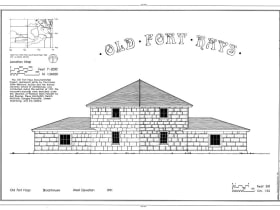
Fort Hays State Historic Site
2.1 miles away
Fort Hays State Historic Site: 1472 US-183 Alt, Hays (3 miles northwest of downtown). Open Tuesday-Saturday. Free admission.

Kansas Barbed Wire Museum
25 miles away
Kansas Barbed Wire Museum: 120 W 1st St, La Crosse. Displays more than 2,400 varieties of barbed wire plus fencing tools and range-war history.

Castle Rock
38 miles away
Castle Rock: approximately 16 miles south of Quinter on K-211 then south on county roads (follow posted signs). Free, always open by landowner permission. Unpaved access.