
Rip Van Winkle Gardens and the Lake Peigneur Disaster
8596 Excalibur Dr, New Iberia, LA
New Iberia, LA
A Victorian mansion and subtropical gardens perched on a salt-dome island above Lake Peigneur, the very lake that famously drained away in 1980 when a drill pierced the salt mine below it.
Rip Van Winkle Gardens crown Jefferson Island, one of the low salt-dome islands that rise unexpectedly out of the flat Cajun country west of New Iberia. The centerpiece is a graceful Victorian home built in the 1870s by Joseph Jefferson, a celebrated stage actor of his day, famous for playing Rip Van Winkle, the character who gave the place its name. Around the house spread lush subtropical gardens of camellias, azaleas, bamboo, and centuries-old live oaks overlooking Lake Peigneur.
But the island is best known for what happened on a November morning in 1980, when Lake Peigneur suffered one of the strangest industrial disasters in American history. An oil rig drilling in the lake accidentally punched into the salt mine tunneling far beneath it, and the entire lake drained into the earth like water down a bathtub. That the gardens survived at all, and remain so lovely, is part of what makes a visit here unforgettable.
What Travelers Love
- Touring the graceful Victorian home built by a famous nineteenth-century actor
- Wandering subtropical gardens of camellias, azaleas, and moss-draped oaks above the lake
- The astonishing true story of the day Lake Peigneur drained away
- Peaceful lake views and a cafe on the bluff
Worth Knowing
- The grounds are a working garden estate; check tour times for the house before arriving
- Wear comfortable shoes for the garden paths, which can be uneven and shaded
- Spring brings the camellias and azaleas into peak bloom, the loveliest season here
- Louisiana summers are hot and humid, so morning visits and insect protection help
Learn about Rip Van Winkle Gardens and the Lake Peigneur Disaster
Joseph Jefferson and his island home
The estate takes its name from Joseph Jefferson, one of the most beloved American actors of the nineteenth century, famous above all for his long-running portrayal of Rip Van Winkle, the man who slept for twenty years. Jefferson bought this island of high ground and in the 1870s built a fine home here, using it as a retreat where he hunted, painted, and entertained friends.
The house he raised is a graceful Victorian structure with wide galleries and detailed woodwork, and it still stands at the heart of the gardens, open for tours. The island itself sits atop a great buried dome of salt, part of a chain of such domes that dot the Louisiana coast and give rise to these unexpected rises of land above the surrounding marsh.
The gardens above the lake
In the twentieth century the property became a botanical showplace, its slopes planted with camellias, azaleas, roses, bamboo, and beds of seasonal color, all shaded by ancient live oaks draped in Spanish moss. Paths wind through the plantings and out to overlooks above Lake Peigneur, and the whole garden feels lush and subtropical, a green world tumbling down toward the water.
Spring is the peak, when the camellias give way to azaleas and the beds fill with bloom, but the gardens hold interest across the year thanks to the deep shade and the evergreen oaks. A cafe on the bluff lets visitors pause over the view, and the combination of house, garden, and lake makes for an easy, restful outing in the heart of Cajun country.
The day Lake Peigneur drained away
On November 20, 1980, Lake Peigneur was a shallow freshwater lake perhaps ten feet deep. Beneath it, a salt company was mining a great dome of rock salt, its tunnels reaching far below the lakebed. That morning an oil drilling rig operating on the lake bored down at the wrong spot and pierced the roof of the salt mine. Water began pouring through the hole into the mine, and once it started, nothing could stop it.
The rushing water rapidly enlarged the opening, and the whole lake began to drain into the earth, forming a vast whirlpool that swallowed the drilling rig, barges, trees, and acres of the surrounding land, including a chunk of the gardens. As the freshwater emptied out, water from a canal reversed course and rushed in from the Gulf, briefly creating the tallest waterfall in the state of Louisiana as it plunged into the emptied basin. Remarkably, no one was killed. The lake refilled, deeper and now saltier than before, and stands today calm above the buried scar.
Wildlife and the seasons
The island and lakeshore are alive with the birdlife of coastal Louisiana. Herons and egrets stalk the shallows, waterfowl gather on the lake in the cooler months, and songbirds fill the oaks in spring and fall. Turtles bask on the banks and the occasional alligator suns near the water, as they do across the bayou country.
Spring is the showpiece season, with camellias and azaleas in full color and mild, pleasant air. Summer is hot, humid, and green, best enjoyed in the morning cool under the oaks. Fall brings comfortable temperatures and returning migratory birds, and even winter stays green here, the evergreen oaks and camellias carrying color through the year.
Closest Boutels
The closest Boutel™ stays, so you can turn this stop into an overnight. Each is a place we chose through independent editorial review, never a paid placement.
Details
New Iberia, LA
Frequently asked questions
What are Rip Van Winkle Gardens and the Lake Peigneur disaster?
Rip Van Winkle Gardens, on Jefferson Island in the Acadiana region of southern Louisiana, are beautiful subtropical gardens surrounding a historic mansion, on a site famous for the astonishing Lake Peigneur disaster. The lovely gardens feature lush plantings, ancient live oaks, camellias, and scenic views over Lake Peigneur, along with a historic house once owned by a famous nineteenth-century actor. The site is also known for the extraordinary Lake Peigneur disaster, when a drilling accident caused the lake to drain dramatically into a salt mine below. The gardens' beauty and the remarkable story make it a fascinating destination. A beautiful and storied garden, it delights visitors. With its gardens and history, the site offers a compelling destination in Louisiana.
What was the Lake Peigneur disaster?
The Lake Peigneur disaster was an astonishing event in 1980 when an oil-drilling rig accidentally punctured a salt mine beneath the lake, causing the entire lake to drain in a dramatic whirlpool into the mine below, swallowing the drilling rig, barges, and part of the surrounding land, and reversing a canal into a temporary waterfall. Remarkably, no lives were lost, but the lake was transformed forever by the extraordinary accident. The strange and dramatic event became famous, and Rip Van Winkle Gardens sits on the shore where it unfolded. Learning about this disaster adds fascination to a visit in Louisiana.
What can you do at Rip Van Winkle Gardens?
You can stroll the beautiful subtropical gardens with their ancient live oaks, camellias, and lush plantings, enjoy scenic views over Lake Peigneur, tour the historic mansion, learn about the remarkable Lake Peigneur disaster, and take in the peaceful setting. The lovely gardens, the historic house, the lake views, and the extraordinary disaster story are the draws, making it a beautiful and fascinating visit. The gardens and the astonishing lake history are highlights. With its gardens and story, the site offers a rewarding experience in Louisiana.
When is the best time to visit Rip Van Winkle Gardens?
The milder months of fall through spring are the most pleasant for the outdoor gardens in Louisiana's subtropical climate, avoiding the intense summer heat and humidity, with the camellias and other plantings especially lovely in the cooler seasons. Because hours and garden seasons vary, checking current information before you go is wise. For the loveliest gardens and comfortable weather, aim for fall through spring at Rip Van Winkle Gardens in Louisiana.
What is near Rip Van Winkle Gardens?
Rip Van Winkle Gardens are on Jefferson Island in the Acadiana region of southern Louisiana near New Iberia, within reach of Avery Island with the Tabasco factory and Jungle Gardens, Lafayette with its cultural museums, Lake Martin, and the other attractions of Acadiana. That makes Rip Van Winkle Gardens a compelling stop to combine with the other attractions of Acadiana on a visit to Louisiana.
Nearby

Jungle Gardens
5.6 miles away
Most people come to Avery Island for the hot sauce and never realize the gardens next door are the real hidden wonder.

Avery Island and the TABASCO Factory
6.0 miles away
It is startling to learn that all the TABASCO in the world comes from one small Louisiana island.
Acadian Village
16 miles away
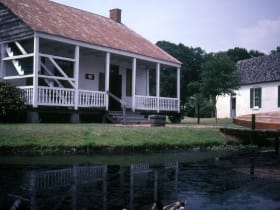
Acadian Village is a gentle, walkable step into the Cajun past, built from real 1800s Acadian houses moved here and set along a little bayou.
Vermilionville
17 miles away
Vermilionville makes Cajun history hands-on for kids. Walk the 23-acre village along Bayou Vermilion and you meet costumed artisans actually doing things, cooking over a fire, weaving, carving a boat,...

Lake Martin
18 miles away
Lake Martin gives you a genuine Louisiana swamp without a long boat ride to reach it.