
Raystown Lake
5922 Seven Points Marina Dr, Hesston, PA
Hesston, PA
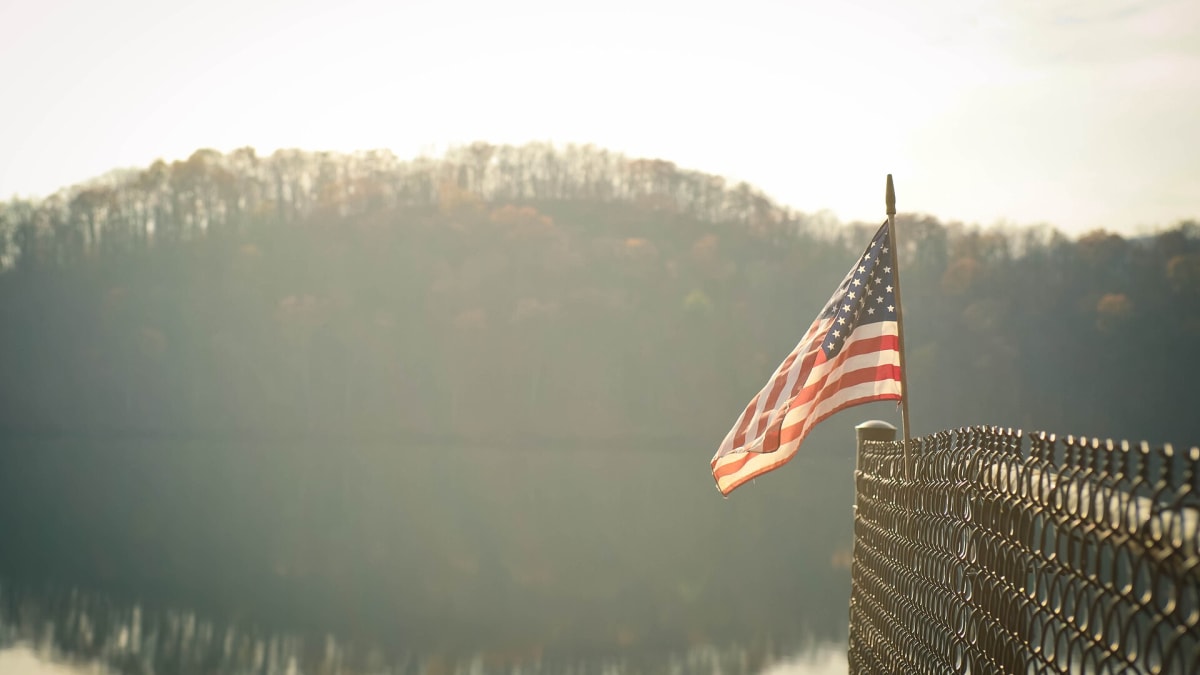
A long, deep, forested reservoir winding for miles through the ridges of central Pennsylvania, the biggest lake the state has to itself.
Raystown Lake is the largest lake lying entirely within Pennsylvania, a long, narrow reservoir that winds for miles through the wooded ridges of Huntingdon County in the south-central part of the state. Deep, clear, and framed by forest, it is a haven for boating, fishing, and swimming, and its shoreline is largely undeveloped, which gives it a wild, back-country feel unusual for a large lake.
The lake is a working reservoir built for flood control, but it has become one of the great outdoor playgrounds in central Pennsylvania. Houseboats drift its coves, mountain bikers flock to the flowing trails above its shores, and the surrounding forest hides overlooks, marinas, and quiet inlets. It is the kind of place people return to summer after summer.
What Travelers Love
- Miles of clear, deep water for boating, houseboating, and fishing among forested ridges
- The Allegrippis Trails, a network of flowing singletrack that draws mountain bikers from afar
- Quiet coves and shoreline reachable only by boat, ideal for a swim or a paddle
- Big open views over the water from the ridgetop overlooks
Worth Knowing
- The lake is long and narrow with many arms, so a map helps you find launches and coves
- Summer is the busy season for boating and swimming, while spring and fall are quieter
- The Allegrippis Trails are famous for smooth flow rather than technical climbs, good for many riders
- Weather and water conditions change on a big lake, so check before heading out
Learn about Raystown Lake
A reservoir in the ridges
Raystown Lake was created when a dam was built across the Raystown Branch of the Juniata River, backing the water up into the long, narrow valley you see today. An earlier, smaller dam had impounded a modest lake here, but the larger project raised the water far higher and flooded miles of the valley, mainly to control the flooding that had long plagued the Juniata basin downstream.
Because the lake follows the shape of a river valley squeezed between mountain ridges, it is long and thin with countless arms and coves rather than a single open basin. The rugged terrain also meant much of the shoreline stayed forested and undeveloped, which is why Raystown feels more like a wild mountain lake than a typical suburban reservoir.
On the water and on the trail
The lake is best known for its water recreation. Its depth and length make it a favorite for boating of every kind, from houseboats that let visitors overnight on the water to kayaks slipping into quiet coves. Anglers fish it for striped bass, lake trout, and other species that thrive in its cold, deep water, and swimmers find clear coves along the shore.
Above the water, the Allegrippis Trails have made Raystown a destination in their own right. This network of purpose-built mountain-bike singletrack is known for its smooth, flowing, roller-coaster ride through the ridgetop forest, and it draws riders from across the region. Hikers and the long Terrace Mountain Trail add more miles of walking through the surrounding woods.
Forest and wildlife
The undeveloped shoreline and surrounding highlands make Raystown a corridor for wildlife. Bald eagles and ospreys hunt the open water, white-tailed deer and black bear range the forested ridges, and the coves and inlets shelter herons, waterfowl, and turtles. In the woods above, wild turkey and songbirds fill the spring mornings.
The mix of deep water, steep forested slopes, and quiet coves creates habitat that is increasingly rare in the settled East. Much of the land around the lake is managed as public recreation and wildlife ground, so a boat trip or a ride on the trails often comes with a sighting of an eagle overhead or a deer at the water's edge.
The Juniata valley and its history
The Raystown Branch and the wider Juniata valley are part of the ancestral homeland of the Susquehannock and later of the Shawnee and Haudenosaunee peoples, who traveled and settled the river corridors of central Pennsylvania. Warfare, disease, and treaties displaced these communities over the eighteenth century, and descendant nations continue elsewhere today.
The name Raystown recalls an early frontier trading post and settlement in the region during the colonial era, when the Juniata valley was a contested frontier. The valley was later farmed and its river used for transport, and in the twentieth century the reservoir turned a flood-prone stretch of the Raystown Branch into the recreation lake central Pennsylvanians treasure today.
Closest Boutels
The closest Boutel™ stays, so you can turn this stop into an overnight. Each is a place we chose through independent editorial review, never a paid placement.
Details
Hesston, PA
Frequently asked questions
What is Raystown Lake?
Raystown Lake is the largest lake located entirely within Pennsylvania's borders, a stunning reservoir of some 8,300 acres stretching about thirty-three miles through the forested hills of south-central Pennsylvania near Huntingdon. Deep, clean, and dotted with countless coves, it is a premier destination for boating, swimming, camping, fishing, and mountain biking. Its size means large numbers of visitors can enjoy it without feeling crowded, making it one of the state's finest and most versatile outdoor playgrounds.
What can you do at Raystown Lake?
The lake is made for water recreation, with boating, sailing, jet-skiing, kayaking, paddleboarding, fishing, and even scuba diving in its clear, deep water, served by two marinas. Sandy beaches offer swimming, and there are numerous public access areas and campgrounds. On land, the renowned Allegrippis Trails provide more than fifty miles of celebrated mountain biking and hiking, and scenic overlooks like Hawn's Overlook reward visitors with sweeping views over the lake.
Is it safe to boat and swim at Raystown Lake?
With sensible precautions, yes. Swim at the designated beaches and keep an eye on children, remembering the water is deep and cool, especially away from the shallows. When boating or paddling on the large lake, always wear a life jacket, watch for other boat traffic and changing wind and weather, and stay aware of your location among the many coves. Following posted rules and standard water-safety practices lets you enjoy the lake's size and beauty safely.
When is the best time to visit Raystown Lake?
The prime season runs from April through October, with July and August best for swimming and water sports at the beaches, and fall offering spectacular foliage around the shoreline along with excellent mountain biking on the Allegrippis Trails. Summer weekends are busiest, so book campsites well in advance, often months ahead for peak dates, and arrive early for beach and boat access. Spring and fall are quieter and beautiful for camping, hiking, and fishing.
What is near Raystown Lake?
Raystown Lake is near the town of Huntingdon in south-central Pennsylvania, close to Lincoln Caverns, with its guided cave tours, and within reach of the region's forests, small towns, and outdoor recreation. The surrounding Allegheny Mountains offer more scenery and trails. That makes Raystown Lake an excellent base for an active getaway, easily combined with the caverns and other central Pennsylvania attractions for a full weekend of adventure.
Nearby
Lincoln Caverns
5.6 miles away
A cave tour that is easy enough for younger kids and run by the same family for generations.
Horseshoe Curve National Historic Landmark
22 miles away
Train lovers make pilgrimages here, but plenty of travelers pass Altoona never knowing this is one of the great railroad sites in the country.
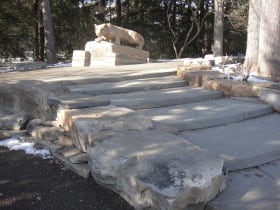
Nittany Lion Shrine
30 miles away
A quick, free, quintessentially Penn State stop that kids enjoy.