
Lincoln Caverns
11252 Hartslog Valley Rd, Huntingdon, PA
Huntingdon, PA
Two crystal caverns opened by accident during a Depression-era road cut, still family-run and hung with flowstone, calcite crystal, and slow-forming stone.
Lincoln Caverns is a pair of limestone caves in the Alleghenies west of Huntingdon, threaded with flowstone, dripstone, and thick beds of sparkling calcite crystal. The first cave came to light in 1930 when a highway crew blasting a cut through Warriors Ridge for Route 22 opened a hidden void in the rock. A second, even more crystal-lined cave, later named Frost Fairy Cavern, was found nearby a few years afterward.
The site has been run by the same family since 1932, and that continuity shows in how the tours are led, close, unhurried, and full of detail about how the formations grow. Guides walk you through both caverns, past columns and draperies of stone built up one mineral-laden drop at a time over an immense stretch of time.
What Travelers Love
- Walking two separate caverns, each with its own character of formations
- The dense clusters of calcite crystal that give Frost Fairy Cavern its name
- A guided tour led by knowledgeable local staff who know every passage
- A cool, steady underground climate that feels welcome on a hot summer day
Worth Knowing
- It is a working cave, so wear closed shoes with grip and bring a light layer, the air stays cool year round
- There are stairs and uneven, sometimes wet stone underfoot inside the caverns
- Tours run rain or shine since the weather never reaches the caves
- Seasonal after-dark and educational programs are offered, so check ahead if one interests you
Learn about Lincoln Caverns
A cave opened by a highway
In 1930, road builders cutting a new alignment for the William Penn Highway through Warriors Ridge set off charges that broke into an unseen chamber in the limestone. What they found was a decorated cave, and by 1932 it had opened to visitors as a roadside attraction, a common draw in the early automobile era when families first took to the highways for pleasure. A few years later a second cave, richer still in crystal, was discovered close by and added to the tour as Frost Fairy Cavern.
The ridge-and-valley country of central Pennsylvania was the ancestral homeland of the Susquehannock and, along its river corridors, peoples of the Haudenosaunee and Lenape worlds. The Juniata Valley carried Native trails and later frontier roads through these long parallel ridges. The caverns have stayed in family hands across generations, a rarity among American show caves, and the operators have long paired the tours with conservation and education about the fragile life underground.
How the caverns formed
The caves are dissolved out of limestone, rock laid down as sediment on the floor of a shallow sea hundreds of millions of years ago and later folded and lifted into the Appalachian ridges. Slightly acidic groundwater, seeping along cracks in that limestone, slowly ate out the passages and rooms you walk through today.
Once the hollows were open, the decorating began. Water carrying dissolved minerals drips and trickles through the ceiling and walls, leaving behind a trace of stone with each drop. Over long ages that built the stalactites hanging above, the stalagmites rising from the floor, the sheets of flowstone, and the thick calcite crystal that lines Frost Fairy Cavern. These formations grow at a crawl, which is why cave guides ask visitors never to touch them.
Life in the dark
The most famous residents of a Pennsylvania cave are its bats, which roost in the cool, stable dark and slip out at dusk to hunt insects across the surrounding valley. Bats are vital to the region and have suffered badly from a disease called white-nose syndrome, so caves like this one take care to protect the animals and the places they shelter.
Beyond bats, caves host a quiet community of small creatures adapted to permanent darkness, including cave crickets, tiny invertebrates, and salamanders near the entrances where a little light and moisture reach. The steady temperature and humidity underground make a world unto itself, unchanged whether it is a heat wave or a snowstorm on the ridge above.
Season by season
Because the caverns hold a steady, cool temperature all year, the underground tour feels much the same in any season, a relief from summer heat and a mild refuge on a raw winter day. What changes is the country outside and the mix of programs offered.
Spring and summer bring the fullest schedule and the greenest surroundings, ideal for pairing a tour with time on nearby Raystown Lake. Fall lays autumn color across Warriors Ridge and the Juniata Valley. Around the colder months the site often runs seasonal after-dark events and educational programs, so it is worth checking ahead if a special tour appeals to you.
Closest Boutels
The closest Boutel™ stays, so you can turn this stop into an overnight. Each is a place we chose through independent editorial review, never a paid placement.
Details
Huntingdon, PA
Frequently asked questions
What is Lincoln Caverns?
Lincoln Caverns, near Huntingdon in central Pennsylvania, is a family-run show cave offering guided walking tours through two connected caverns, Lincoln Caverns and Whisper Rocks, filled with sparkling formations. Visitors marvel at stalactites, stalagmites, flowstone, and delicate calcite crystals as knowledgeable guides explain the caves' geology and history. Combined with above-ground activities and special events, it makes an engaging, family-friendly destination and a great way to explore Pennsylvania's underground world.
What can you do at Lincoln Caverns?
The main experience is a guided walking tour of the two caverns, typically about an hour, winding past beautiful and varied formations. Above ground, the site offers activities like gemstone and fossil panning, nature trails, and popular seasonal events, including candlelight ghost tours around Halloween. The mix of an educational cave tour and hands-on outdoor fun makes it especially appealing to families, giving children plenty to enjoy alongside the natural wonder of the caves.
What should I know before visiting Lincoln Caverns?
The caves stay cool and damp year-round, around the low fifties, so bring a light jacket even in summer, and wear comfortable shoes with good grip, since the tour involves some stairs and uneven, sometimes slippery paths. Because it is a guided tour, arriving in time for a scheduled departure helps. Checking current hours and tour times before you go is wise, especially outside the peak warm-weather season.
When is the best time to visit Lincoln Caverns?
Lincoln Caverns is generally most active from spring through fall, with fuller hours and outdoor activities available, while winter hours may be more limited, so checking the current schedule before you go is worthwhile. Because the cave stays a steady cool temperature regardless of the weather outside, it makes a great choice on a hot summer day or a rainy one. Seasonal events like the fall ghost tours add extra appeal at certain times.
What is near Lincoln Caverns?
Lincoln Caverns is near Huntingdon in central Pennsylvania, close to the beautiful Raystown Lake, the state's largest lake entirely within its borders, which offers boating, beaches, and trails. The surrounding region provides more outdoor recreation and small-town charm. That makes the caverns an easy and enjoyable stop on a trip through central Pennsylvania, pairing an underground adventure with the lake and countryside nearby.
Nearby

Raystown Lake
7.0 miles away
Raystown is the biggest lake entirely inside Pennsylvania, a long, deep, remarkably clear reservoir that winds 28 miles through steep forested ridges near Huntingdon.
Horseshoe Curve National Historic Landmark
21 miles away
Train lovers make pilgrimages here, but plenty of travelers pass Altoona never knowing this is one of the great railroad sites in the country.
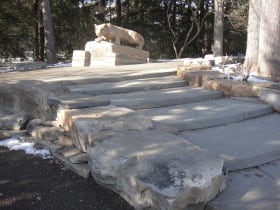
Nittany Lion Shrine
26 miles away
A quick, free, quintessentially Penn State stop that kids enjoy.