
Petroglyph National Monument Boca Negra Canyon
Unser Blvd NW, Albuquerque, NM
Albuquerque, NM
Hundreds of ancient images pecked into black volcanic boulders on the mesa above Albuquerque, a sacred record left by the ancestors of today's Pueblo peoples.
Petroglyph National Monument protects one of the largest concentrations of rock carvings in North America, tens of thousands of images pecked into the black volcanic boulders that spill along the West Mesa on the edge of Albuquerque. Boca Negra Canyon is its most accessible corner, where short trails climb among the boulders past hundreds of carvings in an easy, rewarding hour.
The images were made mainly by the ancestors of today's Pueblo peoples, who chipped through the dark, weathered surface of the basalt to reveal the lighter rock beneath, creating figures of birds, animals, spirals, stars, masks, and human forms. Some carvings date back many centuries, and later Spanish arrivals added crosses and other marks. To the Pueblo peoples these are not relics but sacred records, a living part of their heritage that visitors are asked to treat with deep respect.
What Travelers Love
- Hundreds of carvings packed onto black basalt boulders along short, easy trails
- The range of images, from birds, animals, and spirals to human and masklike figures
- The volcanic backdrop of the West Mesa with views back over the Rio Grande valley
- A powerful, sacred place of the ancestors right on the edge of a modern city
Worth Knowing
- These carvings are sacred to the Pueblo peoples whose ancestors made them; do not touch, chalk, or climb on the images, and stay on the trails
- Boca Negra Canyon has short but steep, rocky sections, so wear good shoes and carry water
- There is little shade on the mesa, so mornings are cooler and the low light shows the carvings well
- Other sections of the monument, including longer canyon trails, lie a short drive away for those wanting more
Learn about Petroglyph National Monument Boca Negra Canyon
The people who carved the rocks
Most of the petroglyphs here were made by the ancestors of the Pueblo peoples who still live along the Rio Grande, carved over a span of centuries as part of a rich tradition of marking the land with meaning. The images include animals, birds, and insects, spirals and stars, handprints, and striking human and masklike figures, each holding significance within Pueblo understanding.
For the Pueblo peoples these carvings are sacred and alive, connected to prayer, ceremony, and the presence of their ancestors, not simply ancient art to be photographed. That is why visitors are asked never to touch, trace, or climb on the images, and to walk the mesa with the respect owed a holy place. Later Spanish settlers and travelers added their own marks, including crosses, layering the history of the region onto the same stones.
The volcanoes and the black boulders
The carvings owe their existence to fire. A line of small volcanoes on the West Mesa erupted long ago and sent lava spreading across the tableland. As that basalt cooled and later broke apart, boulders tumbled down the mesa's edge, coming to rest in the escarpment where the petroglyphs are found.
Over long ages the surface of those boulders weathered to a dark, almost black patina. Carvers pecked through that dark skin to expose the paler rock underneath, so each image stands out bright against the black stone. The volcanoes themselves still rise on the horizon of the monument, a reminder of the forces that made the canvas.
Walking Boca Negra Canyon
Boca Negra Canyon is the developed heart of the monument, with short, well-marked trails that let you see a great many carvings in a small area. The paths climb among the boulders, some sections steep and rocky, passing viewpoints where dozens of images cluster on the dark stone.
Because the trails are short, this is the easiest place to grasp the scale and variety of the petroglyphs without a long hike, making it ideal for a first visit or a limited time. From the higher points, the view opens back over the Rio Grande valley and the city, setting the ancient carvings against the modern landscape that has grown up around them.
Seasons and the wider monument
The best times to visit are the cooler parts of the day and the milder seasons of spring and fall, since the mesa is open and largely without shade. Morning light rakes across the boulders and makes the carvings easier to see, and the temperatures are far more comfortable than a summer midday.
Boca Negra is only one part of a large monument. Longer trails wind through Rinconada Canyon and Piedras Marcadas Canyon a short drive away, and the volcanoes themselves can be visited on the far side of the mesa. Those with more time can explore the quieter reaches, but Boca Negra offers the richest concentration for the least effort.
Closest Boutels
The closest Boutel™ stays, so you can turn this stop into an overnight. Each is a place we chose through independent editorial review, never a paid placement.
Details
Albuquerque, NM
Frequently asked questions
What is Petroglyph National Monument at Boca Negra Canyon?
Petroglyph National Monument, on the western edge of Albuquerque, New Mexico, protects one of the largest concentrations of petroglyphs in North America, with tens of thousands of ancient images carved into the black volcanic rocks along a seventeen-mile escarpment. Boca Negra Canyon is one of the monument's most accessible and popular areas, offering short, developed trails where visitors can see numerous petroglyphs up close, created centuries ago by Ancestral Puebloan peoples and, in some cases, early Spanish settlers. With its easy access and abundant rock art, Boca Negra Canyon provides a fascinating and convenient introduction to the ancient carvings and cultural heritage preserved at Petroglyph National Monument.
What can you see at Boca Negra Canyon?
At Boca Negra Canyon, you can walk short, developed trails that climb the volcanic escarpment past dozens of petroglyphs, seeing ancient carved images of animals, people, spirals, and symbols created by Ancestral Puebloan peoples and others centuries ago, with interpretive signs explaining the rock art. The concentrated, accessible petroglyphs make it a great spot to appreciate this ancient art without a long hike. It is the most visitor-friendly area of the monument. With its abundant, easy-to-reach petroglyphs and short trails, Boca Negra Canyon offers a rewarding and convenient way to experience the remarkable rock art of Petroglyph National Monument in Albuquerque.
What should visitors keep in mind at Petroglyph National Monument?
The petroglyphs are ancient, fragile, and sacred to the region's Native peoples, so visitors must never touch, trace, chalk, add to, or deface them, which is illegal and damaging, and should stay on the designated trails and view the carvings respectfully. Removing rocks or disturbing the site is also prohibited. The trails can be rocky and the area exposed and hot, so wear good shoes, carry water, and use sun protection. Treating the petroglyphs and the site with respect, staying on trails, and coming prepared for the sun ensures a safe and considerate visit to this culturally significant monument.
When is the best time to visit Boca Negra Canyon?
Fall through spring offers the most comfortable temperatures for the exposed trails, while summer can be hot, so early morning visits with water and sun protection are best then. Morning and late-afternoon light can make the petroglyphs stand out on the dark rocks. The trails are short, so a visit does not take long. Checking current hours before you go is wise. For the best combination of comfortable weather and good light to view the rock art, aim for the cooler months or an early summer morning at Boca Negra Canyon.
What is near Petroglyph National Monument at Boca Negra Canyon?
Petroglyph National Monument is on the west side of Albuquerque, New Mexico, within reach of Old Town Albuquerque with its historic plaza and museums, the Albuquerque BioPark, the Sandia Peak Tramway, the National Museum of Nuclear Science and History, and the volcanoes on the monument's west mesa. That makes Boca Negra Canyon and Petroglyph National Monument a fascinating stop to combine with Old Town, the city's museums, the BioPark, and the many other attractions of Albuquerque on a visit to New Mexico.
Nearby
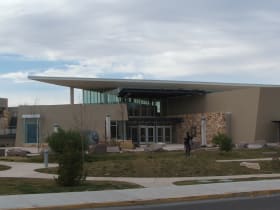
Old Town Albuquerque and the Albuquerque Museum
5.1 miles away
Old Town: free to walk the plaza and surrounding streets. San Felipe de Neri Church: free, open to respectful visitors between services.

Albuquerque BioPark
5.5 miles away
ABQ BioPark: combined admission covers zoo, aquarium, and botanic garden. Open daily, admission charged, children under 3 free.

National Museum of Nuclear Science and History
13 miles away
The only nuclear museum chartered by the U.S. Congress and a Smithsonian Affiliate, telling the full story of the Atomic Age from the Manhattan Project to nuclear medicine today.

Coronado Historic Site
16 miles away
This is the rare Pueblo-history stop you can reach without leaving the interstate corridor, and most travelers speed right past the exit. Kuaua means evergreen in Tiwa.
iExplora and the Sandia Peak Tramway
16 miles away
This is a straightforward crowd-pleaser for families. The tram is the longest of its kind in the Western Hemisphere, and the cars glide over deep granite canyons where kids can spot climbers and hawks...
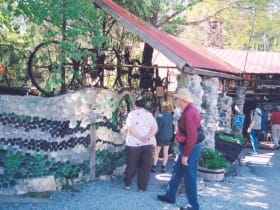
Tinkertown Museum
19 miles away
Ross Ward painted circus and carnival banners for a living and carved miniatures in his spare time, and over four decades that hobby swallowed his life in the best way.