

Old Town Albuquerque and the Albuquerque Museum
2000 Mountain Rd NW, Albuquerque, NM
Albuquerque, NM
The centuries-old adobe heart of Albuquerque, a shaded plaza around an old Spanish church, paired with a museum that tells the whole valley's long story.
Old Town is where Albuquerque began. Founded in the early 1700s as a Spanish colonial villa on the banks of the Rio Grande, it grew up around a central plaza in the traditional New Mexican pattern, and that plaza, shaded by old trees and ringed by low adobe buildings, still forms the historic heart of the city. At its edge stands San Felipe de Neri Church, an adobe church that has served the community for centuries.
A block away sits the Albuquerque Museum, which gathers the art and history of the middle Rio Grande valley under one roof, from Spanish colonial treasures to modern regional art and the long human story of the region. Together, the living plaza and the museum let you feel and understand the layered history of a city where Native, Hispano, and later cultures have met and mingled for generations.
What Travelers Love
- The tree-shaded plaza ringed by adobe buildings, galleries, and old-New-Mexico charm
- San Felipe de Neri Church, the historic adobe church that has anchored the plaza for centuries
- The Albuquerque Museum's sweep of regional art and history a block away
- Winding side streets and hidden courtyards full of shops and local crafts
Worth Knowing
- Old Town and the museum sit a block apart, so it is easy to combine them on foot in a single outing
- The plaza is walkable and shaded, a pleasant stroll, with parking on the surrounding streets and lots
- The historic church is an active parish, so visit respectfully, especially during services
- Pair a visit with nearby attractions on Mountain Road, including science and nature museums within walking distance
Learn about Old Town Albuquerque and the Albuquerque Museum
The founding of the villa
Albuquerque was founded in 1706 as a Spanish colonial settlement on the Rio Grande, named for a Spanish duke, and laid out in the traditional form of a central plaza with a church, homes, and fields fanning out toward the river. It was farming country, watered by irrigation ditches called acequias drawn from the Rio Grande, some of which still run today.
This valley was long home to Pueblo peoples before the Spanish arrived, and the colonial town rose amid that older world. Old Town remained the center of the community for well over a century, until the arrival of the railroad in the 1880s pulled the city's growth eastward and left the original plaza as the historic quarter it is today, preserved rather than paved over.
The plaza and San Felipe de Neri
The plaza is the soul of Old Town, a shaded square where you can sit, stroll, and watch the day go by, ringed by adobe buildings that now hold galleries, shops, and restaurants. Narrow side streets and tucked-away courtyards branch off it, rewarding a slow wander with small discoveries.
Anchoring the plaza is San Felipe de Neri Church, whose adobe walls and twin towers have watched over the square for centuries. It remains an active parish, its interior cool and dim after the bright plaza, and it stands as one of the oldest surviving buildings in the city, a direct link to the colonial village that started it all.
The Albuquerque Museum
A block from the plaza, the Albuquerque Museum tells the broader story of the region through both art and history. Its history galleries trace the long human presence in the middle Rio Grande valley, from the Native peoples and Spanish colonists through the coming of the railroad and the modern city, with artifacts, maps, and Spanish colonial art among the highlights.
Its art collection reaches from historic works to contemporary art of the Southwest, and an outdoor sculpture garden lets you wander among large works in the open air. The museum gives context to everything you see on the plaza, turning a pleasant stroll into a deeper understanding of the place.
Visiting and the seasons
Old Town and the museum are enjoyable year-round. Spring and fall bring ideal weather for lingering on the plaza and wandering the side streets, while the museum offers a cool, welcome refuge on hot summer afternoons. Winter is quieter and, around the holidays, the plaza glows with luminarias, the little paper-bag lanterns that are a New Mexico tradition.
The two sit close enough to combine easily on foot, and both lie within walking distance of other attractions on Mountain Road, including museums of natural history and science. Give yourself an unhurried half-day to take in the plaza, the church, the shops, and the museum together.
Closest Boutels
The closest Boutel™ stays, so you can turn this stop into an overnight. Each is a place we chose through independent editorial review, never a paid placement.
Details
Albuquerque, NM
Frequently asked questions
What is Old Town Albuquerque?
Old Town Albuquerque is the historic heart of Albuquerque, New Mexico, a charming district centered on a picturesque plaza that dates to the city's founding in the early eighteenth century. Filled with historic adobe buildings, winding brick paths, shops, galleries, restaurants, and the beautiful San Felipe de Neri Church, Old Town preserves the city's Spanish colonial heritage and Southwestern character. Adjacent to it, the Albuquerque Museum showcases the art and history of the region. With its historic plaza, authentic adobe architecture, shopping, dining, and cultural attractions, Old Town Albuquerque offers a delightful and atmospheric window into the city's rich past and vibrant present.
What can you do in Old Town Albuquerque?
You can stroll the historic plaza and winding paths admiring the adobe architecture, visit the beautiful San Felipe de Neri Church, browse shops and galleries selling Native American and Southwestern art, jewelry, and crafts, dine at restaurants serving New Mexican cuisine, and explore the nearby Albuquerque Museum with its exhibits on regional art and history and its sculpture garden. Seasonal events and festivals add to the charm. With its historic sites, shopping, dining, and the adjacent museum, Old Town Albuquerque offers a rich and enjoyable experience blending history, culture, art, and the flavors of New Mexico.
What is the Albuquerque Museum?
The Albuquerque Museum, located next to Old Town, is a respected art and history museum showcasing the rich cultural heritage of Albuquerque and the greater Southwest. Its exhibits explore the art, history, and diverse peoples of the region, from Native American and Spanish colonial history to contemporary art, along with a beautiful outdoor sculpture garden. The museum offers rotating exhibitions and educational programs. Combining regional art and history in an engaging setting, the Albuquerque Museum provides valuable context and depth to a visit to Old Town, making it a rewarding cultural stop for those interested in the story and creativity of New Mexico and the Southwest.
When is the best time to visit Old Town Albuquerque?
Old Town is enjoyable year-round, with spring through fall offering pleasant weather for strolling the plaza and outdoor areas, and fall especially lovely, coinciding with the famous Albuquerque International Balloon Fiesta that fills the skies with hot air balloons. Winter is cooler but often charming, especially with holiday lights and traditional luminarias decorating the adobe buildings. The Albuquerque Museum is enjoyable in any weather. For pleasant weather and festivals, aim for spring through fall, while the winter holidays offer a magical atmosphere in Old Town Albuquerque.
What is near Old Town Albuquerque?
Old Town Albuquerque is near the Albuquerque Museum, the Explora science museum, the New Mexico Museum of Natural History, the Albuquerque BioPark with its zoo and aquarium, and the National Museum of Nuclear Science and History, with the Sandia Peak Tramway and the Petroglyph National Monument nearby. That makes Old Town Albuquerque a central stop to combine with the city's museums, the BioPark, the Sandia Peak Tramway, and the many other attractions of Albuquerque on a visit to New Mexico.
Nearby

Albuquerque BioPark
0.5 miles away
ABQ BioPark: combined admission covers zoo, aquarium, and botanic garden. Open daily, admission charged, children under 3 free.
Petroglyph National Monument Boca Negra Canyon
5.1 miles away
Petroglyph has a visibility problem: most ABQ residents drive past the monument regularly and never stop.

National Museum of Nuclear Science and History
8.1 miles away
The only nuclear museum chartered by the U.S. Congress and a Smithsonian Affiliate, telling the full story of the Atomic Age from the Manhattan Project to nuclear medicine today.
iExplora and the Sandia Peak Tramway
14 miles away
This is a straightforward crowd-pleaser for families. The tram is the longest of its kind in the Western Hemisphere, and the cars glide over deep granite canyons where kids can spot climbers and hawks...
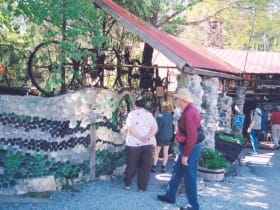
Tinkertown Museum
16 miles away
Ross Ward painted circus and carnival banners for a living and carved miniatures in his spare time, and over four decades that hobby swallowed his life in the best way.

Coronado Historic Site
17 miles away
This is the rare Pueblo-history stop you can reach without leaving the interstate corridor, and most travelers speed right past the exit. Kuaua means evergreen in Tiwa.