

Pennsylvania Trolley Museum
760 Clare Dr, Washington, PA
Washington, PA
Climb aboard a restored streetcar and rumble down the track just as city riders did a century ago, in a museum that keeps the golden age of the trolley alive.
The Pennsylvania Trolley Museum near Washington keeps alive the golden age of the streetcar, the era before the automobile when electric trolleys carried Americans through their cities and out to the countryside. The museum has gathered a large collection of restored streetcars and interurban cars, and, best of all, it runs them, so visitors can climb aboard and take a genuine ride down a preserved stretch of track.
Beyond the ride, the museum's car barns and visitor center let you see the trolleys up close and watch the painstaking restoration work that keeps these century-old machines rolling. It is a living history of a technology that shaped how cities grew and how ordinary people moved, told not through static displays alone but through the rumble and sway of a real streetcar in motion.
What Travelers Love
- Riding restored, fully operating trolleys down a stretch of track
- A large collection of streetcars spanning the golden age of urban transit
- Watching the ongoing restoration work that keeps the old cars running
- A hands-on, nostalgic look at how Americans got around before the automobile
Worth Knowing
- The trolley rides run on a schedule, so check operating days before you visit
- There is a visitor center and car barns to explore in addition to the rides
- Seasonal themed rides, including a popular holiday program, draw the biggest crowds
- The rural setting near Washington pairs well with other southwestern Pennsylvania history stops
Learn about Pennsylvania Trolley Museum
The age of the streetcar
In the late 1800s and early 1900s, electric trolleys transformed American life. Before them, cities were small enough to cross on foot, but the streetcar let people live farther out and ride into work, giving rise to the first streetcar suburbs and knitting together neighborhoods, downtowns, and even distant towns by way of interurban lines. For decades the trolley was how millions of Americans got where they were going.
Southwestern Pennsylvania, with Pittsburgh at its heart, was crisscrossed by these lines, and the region's industry and hilly terrain made its trolley system especially extensive. This country was part of the ancestral homeland of the Lenape and, along its rivers, other Native peoples, whose descendant nations continue elsewhere today. The museum preserves the memory of the transit network that later gave way to buses and cars in the middle of the twentieth century.
Riding the restored cars
The heart of a visit is the trolley ride itself. Museum crews maintain a fleet of operating streetcars, and on running days visitors board a restored car and travel down a preserved section of track, feeling the sway, hearing the clang of the bell, and watching the countryside slide by through the windows just as riders did generations ago.
The cars in service change over time, drawn from the museum's broad collection, so different visits may put you aboard a city streetcar, an interurban coach, or another vintage vehicle. The experience is deliberately authentic, giving a sense not just of how the trolleys looked but of how they felt to ride, the everyday magic of urban transit in its heyday.
The collection and the workshop
Beyond the operating cars, the museum's barns hold a large collection of historic streetcars, interurbans, and related equipment gathered from across the region and beyond. Walking among them, you can trace the evolution of trolley design and see the range of vehicles that once served American cities.
The museum is also a working restoration shop, and part of its appeal is the chance to glimpse the careful, skilled labor that goes into bringing a rusted, worn-out streetcar back to life. This ongoing work, done largely by dedicated volunteers, is why the collection can be ridden rather than merely admired, and it makes the museum a living institution rather than a static one.
Season by season
The warm months bring the fullest operating schedule, with regular trolley rides and the green southwestern Pennsylvania countryside at its best for the trip down the track. Summer is the easiest time to catch the cars running.
Fall adds color to the ride and often brings seasonal themed programs, and around the holidays the museum runs a beloved festive trolley experience that draws families from across the region. Winter and early spring schedules are lighter, so it is always worth checking operating days before planning a visit in the colder months.
Closest Boutels
The closest Boutel™ stays, so you can turn this stop into an overnight. Each is a place we chose through independent editorial review, never a paid placement.
Details
Washington, PA
Frequently asked questions
What is the Pennsylvania Trolley Museum?
The Pennsylvania Trolley Museum, in Washington, Pennsylvania, south of Pittsburgh, preserves the golden age of streetcars with a large collection of beautifully restored antique trolleys. Best of all, it lets visitors actually ride a vintage trolley along a stretch of track, offering a nostalgic, hands-on look at the electric streetcars that once moved people across cities and towns. With a modern visitor center and ongoing restoration work, it is an engaging destination for families and transit history buffs alike.
What can you do at the Pennsylvania Trolley Museum?
The highlight is riding a restored trolley, clattering along the rails just as passengers did a century ago, and you can also tour the collection of historic streetcars, explore exhibits on their history, and often watch restoration in progress. The museum hosts popular seasonal events, such as pumpkin-patch trolleys in fall and holiday trolleys with Santa in winter, which add extra fun and are big draws for families throughout the year.
When is the best time to visit the Pennsylvania Trolley Museum?
Spring through fall is ideal for the full experience of trolley rides and touring the grounds, while the seasonal events, from fall pumpkin trolleys to winter holiday rides, are especially popular reasons to visit at those times. Because hours and ride schedules vary by season and around special events, it is worth checking the current calendar before you go, so you can time your visit to catch a ride or a themed event.
Is the Pennsylvania Trolley Museum good for families?
Very much so. Children are delighted by riding the vintage trolleys and seeing the colorful old streetcars up close, and the seasonal themed rides make it an especially fun family outing. The experience is both entertaining and educational, giving kids a tangible sense of how people once traveled. Plan on a couple of hours, and the combination of rides, exhibits, and events makes it an easy, wholesome destination for all ages.
What is near the Pennsylvania Trolley Museum?
The museum is located in Washington, Pennsylvania, a short drive south of Pittsburgh, so it pairs easily with the city's many attractions, from its museums and gardens to its riverfront. The surrounding southwestern Pennsylvania region offers additional history and outdoor recreation. That convenient location near Pittsburgh makes the trolley museum an easy add-on to a broader visit to the area, particularly for families looking for a fun, hands-on outing.
Nearby
Randyland
23 miles away
Locals send visitors here and grin about it. Randyland at 1501 Arch St is a free courtyard on the North Side that folk artist Randy Gilson has been painting and decorating for decades, turning a rough...
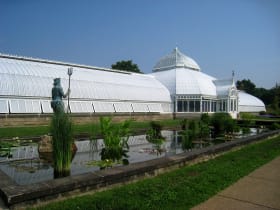
Phipps Conservatory and Botanical Gardens
23 miles away
A dependable rainy-day or cold-day stop that keeps young kids engaged.
Oglebays Good Zoo
25 miles away
A right-sized zoo for families, tucked inside Oglebay Park. The Good Zoo focuses on North American and endangered animals, including red pandas, otters, and sloths, along walkable wooded paths that do...