Panaewa Rainforest Zoo and Gardens
800 Stainback Highway
Hilo, HI
The only zoo in the country set inside a natural tropical rainforest, small, free, and drenched in Hilo's forty-inch-plus rains.
Panaewa Rainforest Zoo and Gardens, just south of Hilo, holds a distinction no other zoo in the United States can claim: it sits inside a natural tropical rainforest, on the wet windward slope of the Big Island where more than a hundred inches of rain can fall in a year. Rather than recreating a jungle, the zoo is built within one, so the enclosures are threaded through real ohia forest, tree ferns, and tropical plantings that thrive on Hilo's constant moisture.
It is small, and it is free, a combination that makes it a beloved local outing rather than a tourist headliner. The collection leans toward animals suited to a hot, wet climate, from a white Bengal tiger to native Hawaiian birds, spider monkeys, and a walk-through aviary, alongside gardens of orchids and other tropical species that are worth the visit on their own.
What Travelers Love
- A genuine rainforest setting where the animals live among real ohia and tropical growth
- Namaste, the white Bengal tiger, the zoo's best-known resident
- That admission is free, which makes it an easy stop for families
- The botanical plantings, including a garden of tropical orchids
Worth Knowing
- This is Hilo's rainy side, so bring a rain jacket and expect the ground to be wet
- It is a compact zoo, walkable in an hour or two, best paired with other Hilo stops
- Mornings tend to be calmer and cooler for the animals and for walking
- The zoo relies on community support and its nonprofit friends group, so donations at the gate go a long way
Learn about Panaewa Rainforest Zoo and Gardens
A zoo grown in the rainforest
The zoo opened to the public in the 1970s on county land in the Panaewa Forest Reserve area, and from the start its identity was tied to the forest around it. Where most zoos plant tropical landscaping at great effort, Panaewa simply is tropical, sitting in one of the rainiest inhabited zones in the country. That heavy rainfall shapes everything, from the lushness of the grounds to the kinds of animals the zoo can comfortably keep.
It is operated by the County of Hawaii and supported by a nonprofit friends group that funds improvements, education programs, and animal care beyond what the county budget covers. Keeping admission free has long been a point of pride, part of the zoo's role as a community and educational resource for East Hawaii families rather than a commercial attraction.
Who lives here
The zoo's celebrity is Namaste, a white Bengal tiger who came to Panaewa as a cub and has been its signature animal for years. White tigers are not a separate species but Bengal tigers carrying a rare recessive color trait, and Namaste's enclosure and daily feedings are the visit's highlight for many families.
Beyond the tiger, the collection includes spider monkeys, lemurs, a variety of tropical and native birds, reptiles, and small mammals suited to the climate. A walk-through aviary and areas devoted to Hawaiian birdlife give the zoo a local focus, spotlighting species that belong to these islands alongside the exotic draws.
The animals here are ambassadors as much as attractions, and the zoo's education programs use them to teach visiting schoolchildren about habitat, conservation, and the particular fragility of island ecosystems.
The gardens
The gardens half of the name is not an afterthought. The grounds hold extensive tropical plantings, including a dedicated orchid garden and collections of gingers, heliconias, and other rainforest species that flourish in the constant warmth and wet. Even on a day when the animals are dozing out of sight, the plantings and the towering forest canopy make for a pleasant, shaded walk.
Because the zoo sits within the Panaewa rainforest itself, the line between exhibit and surrounding forest blurs, and native and introduced tropical plants grow close together along the paths, a small living lesson in the botany of windward Hawaii.
Hilo's rainy world
Panaewa's setting is inseparable from Hilo's climate. The windward side of the Big Island catches moisture-laden trade winds that rise against Mauna Kea and Mauna Loa and drop their rain on the lowlands below, which is why Hilo is one of the wettest cities in the country and why its landscape is so green and lush.
That same rain that keeps the zoo's rainforest thriving means a visit is best planned around a jacket and a flexible attitude. Showers blow through and clear off quickly, the light shifts constantly, and the forest is at its most vivid and dripping right after a passing squall.
Closest Boutels
The closest Boutel™ stays, so you can turn this stop into an overnight. Each is a place we chose through independent editorial review, never a paid placement.
Details
Hilo, HI
Frequently asked questions
What is the Panaewa Rainforest Zoo and Gardens?
The Panaewa Rainforest Zoo and Gardens, near Hilo on the Big Island of Hawaii, is a charming zoo and botanical garden, notable as the only natural tropical rainforest zoo in the country, set in a lush rainforest environment. The zoo is home to a variety of animals, including a rare white tiger, monkeys, birds, reptiles, and other creatures, along with beautiful tropical gardens and plantings, all thriving in the natural rainforest setting created by Hilo's abundant rain. Its animals, gardens, and unique rainforest character make it a delightful family destination, and it has been known for free admission. A delightful and unique rainforest zoo, it charms visitors. With its animals and gardens, the zoo offers a compelling destination in Hawaii.
What can you see at the Panaewa Rainforest Zoo and Gardens?
You can see a variety of animals, including a rare white tiger, monkeys, birds, reptiles, and other creatures, along with beautiful tropical gardens and plantings, all in a lush natural rainforest setting. The animals, the white tiger, the tropical gardens, and the unique rainforest environment are the draws, making it a delightful and family-friendly visit. The white tiger and the rainforest setting are highlights. With its animals and gardens, the Panaewa Rainforest Zoo offers a rewarding experience in Hawaii.
Is the Panaewa Rainforest Zoo and Gardens free?
The Panaewa Rainforest Zoo and Gardens has been known for offering free admission, making it a wonderful and accessible family destination near Hilo, though donations are appreciated and policies can change over time, so confirming current details before you go is wise. Its free admission and unique rainforest setting make it a delightful stop. Checking current admission and hours ahead ensures a smooth visit to the Panaewa Rainforest Zoo and Gardens in Hawaii.
When is the best time to visit the Panaewa Rainforest Zoo and Gardens?
The zoo can be visited year-round, though because it is in the rainy Hilo area, the drier parts of the day are more pleasant, and bringing rain gear and insect repellent is wise given the lush rainforest setting. Because Hilo is often rainy, timing a visit for a drier window helps. For the most pleasant visit, aim for a drier time and come prepared for the rainforest at the Panaewa Rainforest Zoo and Gardens in Hawaii.
What is near the Panaewa Rainforest Zoo and Gardens?
The Panaewa Rainforest Zoo and Gardens is near Hilo on the Big Island of Hawaii, within reach of Hilo with Rainbow Falls and the Liliuokalani Gardens, Mauna Kea, and the other attractions of the Hilo area. That makes the Panaewa Rainforest Zoo a compelling stop to combine with Rainbow Falls and the other attractions of Hilo on a visit to Hawaii.
Nearby
Rainbow Falls
6.2 miles away
Just about the easiest big waterfall to reach with kids in Hawaii.

Liliuokalani Gardens
6.4 miles away
Many visitors blow through Hilo on the way to the volcano and miss this.
Lava Tree State Monument
15 miles away
This is one of the strangest short walks in Hawaii, and hardly anyone outside Puna knows it.
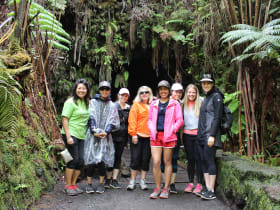
Thurston Lava Tube
19 miles away
Thurston Lava Tube, known in Hawaiian as Nahuku, is a walkable lava tube near the Kilauea summit, a natural tunnel formed when the outer crust of a lava river hardened while molten lava drained away i...
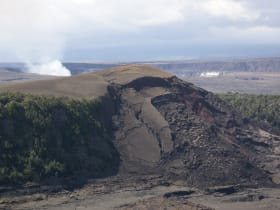
Kilauea Iki Trail
20 miles away
The Kilauea Iki Trail descends through rainforest to the floor of a crater that held a churning lava lake during a 1959 eruption, letting hikers walk straight across the now-solid but still-steaming l...
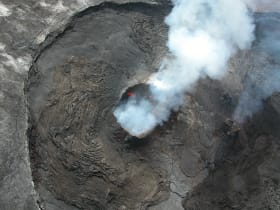
Hawaii Volcanoes National Park
21 miles away
Two of the world's most active volcanoes, Kilauea and Mauna Loa, still building the island of Hawaii.