Kilauea Iki Trail
Kilauea Iki Trail, Hawaii Volcanoes National Park, HI
Volcano, HI
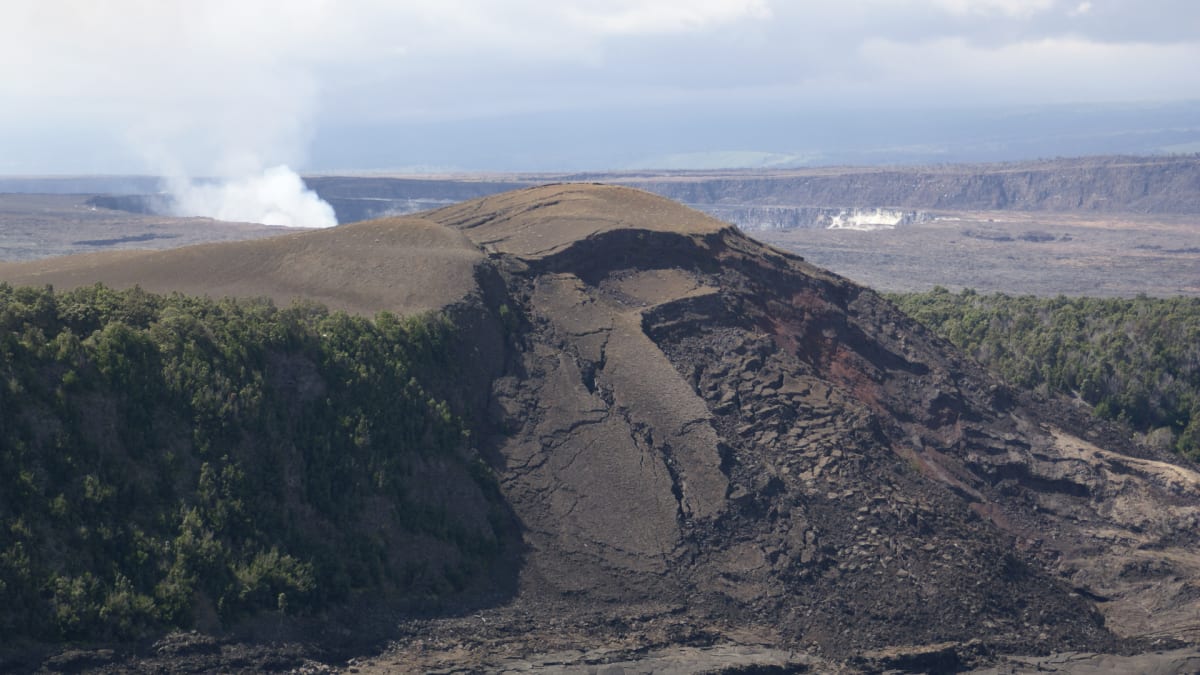
Walk across the still-steaming floor of a crater that was a lava lake in 1959.
The Kilauea Iki Trail descends through lush rainforest to the floor of a crater that held a churning lava lake during a dramatic 1959 eruption, letting hikers walk straight across the now-solidified but still-steaming lava. The roughly 4-mile loop combines cool, green forest on the rim with the stark, otherworldly crater floor below, where wisps of steam still rise from cracks in the hardened rock decades later.
In 1959, fountains of lava here shot as high as 1,900 feet, filling the crater with a lake of molten rock. Today the crater floor is crossable on foot, a flat plain of black and gray lava slowly being reclaimed by hardy plants. Walking across it, with steam curling up around you and forested walls rising on all sides, is a memorable day hike and one of the signature experiences in the park.
What Travelers Love
- Walking across a solidified lava lake
- Steam rising from cracks in the crater floor
- Lush rainforest along the crater rim
- The story of the dramatic 1959 eruption
Worth Knowing
- It is inside Hawaii Volcanoes National Park
- The loop is about 4 miles with a climb in and out
- The crater floor is hot, sunny, and exposed; bring water
- Stay on the marked trail across the lava
Learn about Kilauea Iki Trail
From rainforest to crater floor
The loop typically begins along the forested crater rim, where a trail winds through native rainforest of ohia trees and tree ferns, with overlooks down into the crater. From there, switchbacks descend several hundred feet to the crater floor, a dramatic transition from green forest to bare volcanic rock.
On the floor, hikers follow a marked route across the hardened lava lake, passing steaming cracks, a spatter cone from the eruption, and the slowly returning plants that pioneer the new ground. The scale and rawness of the crater, walled by forest and still venting heat, make the crossing feel like walking through the aftermath of the earth's own furnace.
The 1959 eruption and hiking tips
The crater's floor was created by the powerful 1959 Kilauea Iki eruption, when lava fountains, some among the highest ever recorded in Hawaii, filled the crater with a deep lava lake. The lake gradually cooled and hardened into the surface hikers walk on today, though heat still lingers beneath, which is why steam continues to rise.
The full loop is about 4 miles and moderately strenuous, mainly because of the climb back out of the crater. The crater floor is hot, sunny, and exposed, so bring plenty of water, sun protection, and sturdy shoes, and stay on the marked trail across the lava, both for safety and to protect the recovering environment. Starting earlier in the day helps beat the heat and crowds.
Closest Boutels
The closest Boutel™ stays, so you can turn this stop into an overnight. Each is a place we chose through independent editorial review, never a paid placement.
Details
Volcano, HI
Frequently asked questions
What is the Kilauea Iki Trail?
The Kilauea Iki Trail is a loop hike in Hawaii Volcanoes National Park that descends from a rainforested crater rim to the floor of Kilauea Iki, a crater that held a churning lava lake during a dramatic 1959 eruption. The roughly 4-mile loop lets hikers walk straight across the now-solidified but still-steaming crater floor, a flat plain of black and gray lava, with wisps of steam rising from cracks decades later. The hike combines cool, green native rainforest along the rim with the stark, otherworldly landscape of the crater floor below. Walking across the old lava lake, walled by forest and venting heat, is a memorable experience and one of the signature day hikes in the park, offering an up-close look at the aftermath of a major volcanic eruption.
How hard is the Kilauea Iki hike?
The Kilauea Iki Trail is a moderately strenuous hike. The full loop is about 4 miles, and the main challenge is the elevation change: the trail descends several hundred feet from the crater rim down to the floor and then climbs back out, which can be tiring, especially in the heat. The crater floor itself is fairly flat but hot, sunny, and exposed, with little shade, so the conditions add to the effort. Most reasonably fit hikers can complete the loop comfortably by pacing themselves, but you should bring plenty of water, sun protection, and sturdy shoes, and allow a couple of hours or more. Starting earlier in the day helps you avoid the worst heat and the larger midday crowds. Staying on the marked trail across the lava is important for both safety and protecting the environment.
What happened in the 1959 eruption at Kilauea Iki?
In 1959, the Kilauea Iki crater was the site of a spectacular eruption. Fountains of lava erupted from a vent along the crater, at times shooting extraordinarily high into the air, with some fountains reaching around 1,900 feet, among the highest ever recorded in Hawaii. This activity filled the crater with a deep lake of molten lava. After the eruption ended, the lava lake slowly cooled and hardened over the following years into the solid crater floor that hikers walk across today. Remarkably, heat remained trapped beneath the surface for a very long time, and even decades later, steam still rises from cracks in the floor, a lingering reminder of the eruption. The trail lets visitors experience this dramatic geologic story firsthand, walking across the very lava lake that formed in 1959.
Is it safe to walk across the Kilauea Iki crater floor?
Yes, walking across the Kilauea Iki crater floor is safe when you stay on the marked trail and follow park guidance, and it is a popular, well-established hike. The lava lake that filled the crater in 1959 has long since hardened into a solid surface that supports hikers, and a route is marked across it. That said, you should take sensible precautions: stay on the designated trail rather than wandering across the lava, since some areas can be unstable, and steam vents indicate lingering heat below; keep a safe distance from steaming cracks; and be prepared for the hot, sunny, exposed conditions by bringing plenty of water and sun protection. Wear sturdy shoes, as the lava surface is uneven. As always in the park, check current conditions before you go, since volcanic activity, though not currently in this crater, is always a consideration nearby.
Nearby
Thurston Lava Tube
0.8 miles away
Thurston Lava Tube, known in Hawaiian as Nahuku, is a walkable lava tube near the Kilauea summit, a natural tunnel formed when the outer crust of a lava river hardened while molten lava drained away i...

Kilauea Caldera
2.2 miles away
Kilauea is one of the most active volcanoes on Earth, and its summit caldera, with the Halemaumau crater at its heart, is the centerpiece of Hawaii Volcanoes National Park.

Chain of Craters Road
12 miles away
Chain of Craters Road winds nearly 20 miles from the summit of Kilauea down to the sea, dropping some 3,700 feet past craters, old lava flows, and sweeping coastal views.