Kilauea Caldera
Kilauea Caldera, Hawaii Volcanoes National Park, HI
Volcano, HI
Peer into the active summit crater of one of Earth's most active volcanoes.
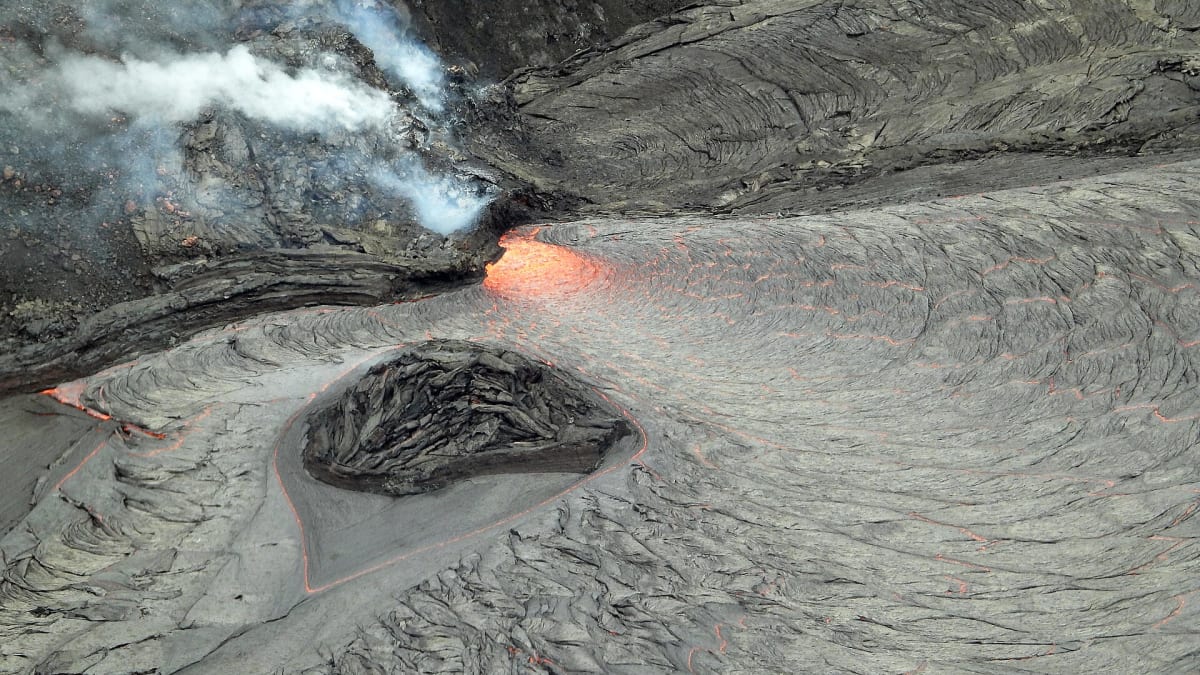
Kilauea is one of the most active volcanoes on Earth, and its summit caldera, with the Halemaumau crater at its heart, is the centerpiece of Hawaii Volcanoes National Park. Sacred to Native Hawaiians as the home of Pele, the volcano goddess, the crater has held glowing lava lakes and produced dramatic eruptions, and its overlooks reveal a landscape of steam, sulfur, and raw volcanic power.
From viewpoints along the caldera rim, visitors take in the vast crater, the plume rising from Halemaumau, and, when an eruption is active, at times the red glow of molten rock reflected on the clouds after dark. Whether calm or erupting, the summit is a window into the living heart of a volcano, a place where the earth is visibly, actively being made.
What Travelers Love
- Overlooking an active volcanic crater
- Steam vents, sulfur banks, and, at times, lava glow
- The cultural significance of Pele's home
- Sweeping views across the summit caldera
Worth Knowing
- It is inside Hawaii Volcanoes National Park
- Eruptions and closures change often; check current conditions
- Volcanic gases can be hazardous; heed warnings
- Lava glow, when present, is best seen after dark
Learn about Kilauea Caldera
The active summit
Kilauea's summit is a broad caldera, a large volcanic depression, within which lies the deeper Halemaumau crater. Over the years, this crater has behaved dramatically: it has held lava lakes, collapsed and deepened during major events, and, during eruptions, filled with fresh molten rock. Its activity changes constantly, so the scene can differ greatly from one visit to the next.
Overlooks along the rim let visitors gaze into the crater and across the caldera, taking in steam rising from vents, streaks of yellow sulfur, and the stark expanse of hardened lava. When lava is present, especially at night, the glow is unforgettable, but even in quiet times the scale and rawness of the summit are awe-inspiring.
Pele, safety, and visiting
To Native Hawaiians, Kilauea's summit is deeply sacred as the home of Pele, the goddess of volcanoes and fire, and this cultural and spiritual significance is an important part of the place. Visitors are asked to be respectful of Hawaiian culture and traditions at the summit.
Because Kilauea is active, conditions change frequently: eruptions, closures, and hazards like volcanic gas can come and go, so it is essential to check current park conditions and heed all warnings and closures. Volcanic gases can be dangerous, especially for people with breathing issues. When an eruption is glowing, viewing is best after dark from designated overlooks, but always follow park guidance to stay safe.
Closest Boutels
The closest Boutel™ stays, so you can turn this stop into an overnight. Each is a place we chose through independent editorial review, never a paid placement.
Details
Volcano, HI
Frequently asked questions
What is Kilauea Caldera?
Kilauea Caldera is the summit of Kilauea volcano in Hawaii Volcanoes National Park, one of the most active volcanoes on Earth. It is a broad volcanic depression that contains the deeper Halemaumau crater, which has held glowing lava lakes and produced dramatic eruptions over the years. Overlooks along the caldera rim let visitors gaze into the crater and across the summit, taking in steam vents, sulfur, hardened lava, and, when an eruption is active, at times the red glow of molten rock, especially striking after dark. The summit is also sacred to Native Hawaiians as the home of Pele, the volcano goddess. Because Kilauea is active, conditions change constantly, so it offers an ever-changing window into the living, powerful heart of a volcano.
Can you see lava at Hawaii Volcanoes National Park?
Sometimes, but it depends entirely on current volcanic activity, which changes constantly. During active eruptions at Kilauea's summit, visitors have been able to see the glow of molten lava in the Halemaumau crater, especially at night from designated overlooks, which is an unforgettable sight. At other times, when the volcano is quiet, there may be no visible lava at all, only steam, sulfur, and the vast crater landscape. Because eruptions start and stop unpredictably, there is no guarantee of seeing lava on any given visit. To find out what is happening, check the park's current eruption updates and conditions before and during your trip. Whether or not lava is visible, the summit's craters, steam vents, and volcanic scenery are remarkable, and any lava viewing must be done safely from designated areas.
Who is Pele?
Pele is the Hawaiian goddess of volcanoes and fire, and in Native Hawaiian tradition she is believed to dwell at the summit of Kilauea, specifically in the Halemaumau crater. She is a powerful and revered figure in Hawaiian culture and mythology, associated with the creation of the Hawaiian islands through volcanic activity, as well as with destruction and renewal. Because of this, Kilauea's summit is a deeply sacred place. Native Hawaiians make offerings and conduct ceremonies honoring Pele, and the ongoing eruptions are understood by many as expressions of her presence and power. Visitors to Hawaii Volcanoes National Park are asked to be respectful of this cultural and spiritual significance, treating the summit and its features with reverence and following any guidance about honoring Hawaiian traditions and sacred sites.
Is it safe to visit Kilauea's summit?
Visiting Kilauea's summit is generally safe when you stay in open, designated areas and follow all park guidance, but because it is an active volcano, real hazards exist and conditions change frequently. The main dangers include volcanic gases, such as sulfur dioxide, which can be harmful especially to people with respiratory conditions, heart problems, pregnant women, and young children; unstable ground and cliff edges around craters; and, during eruptions, additional hazards. The park closes areas and issues warnings as needed, so it is essential to check current conditions, obey all closures and signs, stay on designated trails and overlooks, and never enter closed areas to get closer to lava or craters. Heeding air-quality warnings and staying back from crater edges are especially important. With these precautions, most visitors safely enjoy the summit's remarkable scenery.
Nearby
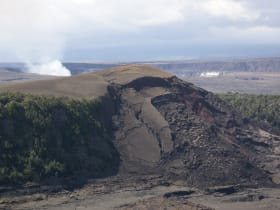
Kilauea Iki Trail
2.2 miles away
The Kilauea Iki Trail descends through rainforest to the floor of a crater that held a churning lava lake during a 1959 eruption, letting hikers walk straight across the now-solid but still-steaming l...
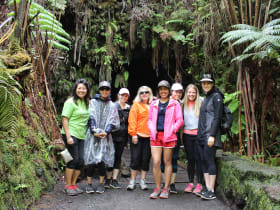
Thurston Lava Tube
3.0 miles away
Thurston Lava Tube, known in Hawaiian as Nahuku, is a walkable lava tube near the Kilauea summit, a natural tunnel formed when the outer crust of a lava river hardened while molten lava drained away i...

Chain of Craters Road
14 miles away
Chain of Craters Road winds nearly 20 miles from the summit of Kilauea down to the sea, dropping some 3,700 feet past craters, old lava flows, and sweeping coastal views.