
Nassau Valley Vineyards
31818 Carneros Ave, Lewes, DE
Lewes, DE
Delaware's very first winery, planted in the sandy soil just inland from the beaches, where a family fought to change state law so they could pour their own wine.
Nassau Valley Vineyards holds a real place in Delaware history: it was the first winery in the state, and it exists only because the family behind it went to the legislature to make winemaking legal. In the late 1980s Peggy Raley set out to plant a vineyard here, and discovered that Delaware's laws, a legacy of the Prohibition era, effectively made a farm winery impossible. So she helped write and push through a new farm-winery law before a single bottle could be sold.
The winery opened in the early 1990s in the sandy farm country just inland from the beaches, and it remains a family operation. Alongside the tasting room is a small, thoughtful museum on the history and craft of winemaking, so a visit is both a tasting and a lesson. It makes an easy, unhurried inland stop for anyone spending time in the Cape Region.
What Travelers Love
- Tasting Delaware's original winery's bottles in a relaxed, unpretentious tasting room
- A self-guided walk through the small winemaking museum that explains how wine is made
- The story of the family who had to change state law to open the doors
- An easy, low-key inland stop between beach days, surrounded by vines and quiet farmland
Worth Knowing
- This was Delaware's first winery, and the family led the effort to pass the farm-winery law that made it possible
- The tasting room and small museum are open to visitors; tastings are for those of legal drinking age
- It is a short, easy detour from the beaches, a good change of pace from sand and boardwalk
- Hours and event offerings shift with the season, busiest in the warm months when the beach crowds arrive
Learn about Nassau Valley Vineyards
Changing the law to make wine
When Peggy Raley decided to open a winery in Delaware, she ran straight into the state's old alcohol laws. Rules dating to the years after Prohibition had never made room for a small farm winery to grow grapes and sell its own wine directly to visitors. Without a change in the law, there could be no Delaware winery at all.
Rather than give up, the family worked to draft and pass a farm-winery act that opened the door for wineries across the state. It was a genuine act of pioneering, the legal groundwork that any later Delaware winery would build on. When Nassau Valley finally opened, it was not just a new business but the beginning of a whole small industry that had not existed before.
Growing grapes near the coast
Southern Delaware's coastal plain is flat and sandy, warmed by the nearby ocean and bay, a climate that suits certain grape varieties well. The vineyard works with the conditions of this Atlantic country, where humidity and weather off the sea shape what grows best, and produces a range of wines from its own fruit and other sources.
The setting is unpretentious farm country, rows of vines running out toward the tree lines, a world away in feel from the boardwalks a few miles east. It is the kind of place where the winemaking is the point, not a manicured resort experience, and that plainspoken quality is part of its charm.
The tasting room and the little museum
Inside, the tasting room is easygoing and welcoming, a place to sample the winery's bottles and talk with the people who made them. There is none of the hush of a grand estate here; it is a family business, and it feels like one.
The self-guided winemaking museum sets Nassau Valley apart from an ordinary tasting stop. It walks visitors through the history of wine and the steps of turning grapes into the glass in front of them, from the vine to the bottle. You come away having learned something, which makes the tasting that follows a little more meaningful.
A break from the beach
The vineyard's location, tucked between Lewes and Rehoboth just off the main beach highway, makes it a natural change of pace on a coastal trip. Summer is the busy season, when the beach crowds pour into the Cape Region and the tasting room stays lively, and the vines are green and full.
Spring and fall are quieter and often the most pleasant, cooler air and thinner crowds, with the vineyard settling into harvest as autumn comes on. Winter is the slow season along this whole coast, and the vines stand bare in the sandy fields, waiting for spring.
Closest Boutels
The closest Boutel™ stays, so you can turn this stop into an overnight. Each is a place we chose through independent editorial review, never a paid placement.
Details
Lewes, DE
Frequently asked questions
What is Nassau Valley Vineyards?
Nassau Valley Vineyards, near Lewes in southern Delaware, is the state's pioneering winery, a charming vineyard and tasting destination that helped establish winemaking in Delaware, set in the countryside near the beaches. As Delaware's first winery, Nassau Valley offers tastings of its wines, a look at winemaking, vineyard grounds, and a welcoming country atmosphere, along with exhibits on the history of wine, making it a pleasant and distinctive stop for visitors of legal drinking age exploring the region beyond the beaches. Its wines and country charm make it a delightful destination. A charming and pioneering winery, it delights visitors. With its wines and grounds, the vineyard offers a compelling destination in Delaware.
What can you do at Nassau Valley Vineyards?
Visitors of legal drinking age can enjoy tastings of the winery's wines, learn about winemaking and the history of wine through exhibits, stroll the vineyard grounds, and relax in the welcoming country atmosphere near the Delaware beaches. The wine tastings, the winemaking exhibits, and the pleasant vineyard setting are the draws, making it a distinctive stop for those exploring the region beyond the beach. The tastings and the country charm are highlights. With its wines, Nassau Valley Vineyards offers a rewarding experience in Delaware.
Do you have to be a certain age to taste at Nassau Valley Vineyards?
Yes, wine tasting is for visitors of legal drinking age, and the winery follows the law regarding age, so those who wish to taste should be prepared to show identification, while the vineyard grounds, exhibits, and country setting can be enjoyed by visitors of all ages. Enjoying any wine responsibly is always the wise approach. Planning with this in mind, and confirming current tasting details, ensures a smooth and pleasant visit to Nassau Valley Vineyards in Delaware.
When is the best time to visit Nassau Valley Vineyards?
The mild months of spring through fall are especially lovely for enjoying the vineyard grounds and country setting, and the winery welcomes visitors for tastings in various seasons, pairing naturally with a trip to the nearby Lewes and Rehoboth beaches. Because tasting-room hours can vary, checking current information before you go is wise. For the loveliest grounds aim for the mild months, and check tasting hours, at Nassau Valley Vineyards in Delaware.
What is near Nassau Valley Vineyards?
Nassau Valley Vineyards is near Lewes in southern Delaware, within reach of the historic town of Lewes with the Zwaanendael Museum and Lightship Overfalls, Cape Henlopen State Park, Rehoboth Beach, and the other attractions of the Delaware beaches. That makes Nassau Valley Vineyards a compelling stop to combine with Lewes and the beaches on a visit to Delaware.
Nearby

Zwaanendael Museum
3.6 miles away
Most people walk past this little building without realizing it is one of the more unusual pieces of architecture in Delaware.
Lightship Overfalls
3.9 miles away
People expect a lighthouse on the coast, not a lightship parked in town, which is exactly what makes this one worth finding.
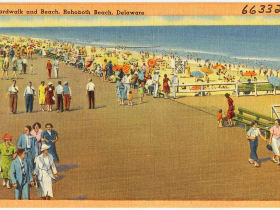
Rehoboth Beach and Boardwalk
4.8 miles away
The grand old resort of the Delaware coast, with a classic mile-long wooden boardwalk of amusements, food stands, and a free-concert bandstand backed by a wide public beach.
Funland
4.9 miles away
This is the heart of a Rehoboth beach day for families. Funland has run on the boardwalk since 1962, still owned by the same family, and it is built for younger kids: gentle rides, a carousel, bumper...

Cape Henlopen State Park
5.0 miles away
Cape Henlopen is where Delaware Bay meets the ocean, and the land itself is alive and moving, a great hook of sand that shifts a little every year.

Cape May Lighthouse
18 miles away
An 1859 seacoast tower at the very tip of New Jersey, still lit and open to climb: 199 steps of the original spiral stair lead to a view over the Atlantic, Delaware Bay, and the beach towns.
Sunset Beach and the Cape May Diamonds
18 miles away
Two oddities meet on one small beach at the end of New Jersey.
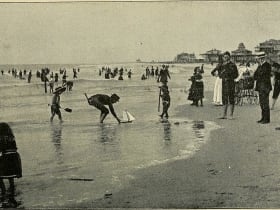
Cape May Beach and Promenade
19 miles away
America's oldest seaside resort skips the wooden boardwalk for a smooth, paved Promenade that runs nearly two miles along a seawall above a wide, gently sloping beach.
DiscoverSea Shipwreck Museum
20 miles away
Hidden above a Fenwick Island shell-and-souvenir shop is a real treasure museum, and it is free.
Emlen Physick Estate
20 miles away
This one house is the reason Cape May still looks like Cape May.