
Lightship Overfalls
8 Clayton Ave, Lewes, DE
Lewes, DE
A bright red lightship moored in the heart of old Lewes, one of the last floating lighthouses ever built for the American coast.
Before radar and satellites, some of the most dangerous stretches of the American coast were marked not by a lighthouse on land but by a lightship, a vessel anchored offshore that served as a floating lighthouse, its beacon burning through fog and storm to warn ships off the shoals. The Lightship Overfalls in Lewes is one of only a handful of these ships that survive, restored and open as a floating museum.
Painted fire-engine red with her name in tall white letters along the hull, she is moored on the canal in the heart of old Lewes. The name honors the Overfalls station off the Delaware coast, a spot where shifting shoals made the water treacherous. Aboard, you can see how a small crew lived for weeks at a time on a ship that never went anywhere, holding its position so that others could pass safely.
What Travelers Love
- Climbing aboard a real lightship and seeing the crew quarters, engine room, and the great lens beacon
- The vessel's brilliant red hull with OVERFALLS painted in white along the side
- A dedicated crew of local volunteers who keep the ship in working, seaworthy shape
- A setting right in walkable historic Lewes, steps from shops and the canal
Worth Knowing
- This is a ship, so expect steep ladders and narrow passages below deck; wear sturdy shoes
- The museum is run by volunteers, so open days and tours follow the season, most active in the warmer months
- The ship is donation-based and depends on visitor support and local fundraising to stay afloat
- The name Overfalls honors a Delaware lightship station, though this particular hull served elsewhere in its working life
Learn about Lightship Overfalls
What a lightship was for
A lightship did the job of a lighthouse in places where no lighthouse could be built, on shoals and sandbars far out in open water. The vessel was anchored in one spot and carried a bright lens beacon on its mast, along with a powerful foghorn and, in the ship's own hull, the letters of the station it marked. To a captain feeling his way through fog, that steady light and mournful horn meant danger here, steer clear.
Life aboard was a strange kind of sailing that involved almost no sailing at all. The crew held station in all weather, riding out gales at anchor while other ships ran for shelter. Storms could be terrifying, and lightships were sometimes dragged from their moorings or run down in the dark by the very vessels they were trying to protect. It was lonely, monotonous, and at times genuinely dangerous work.
The Overfalls and the Delaware coast
The Overfalls station lay off the mouth of Delaware Bay, near shoals where the tide and shifting sand made a hazard for ships bound in and out of the busy Delaware River trade. A series of lightships held that post over the decades, and the station's name lived on even after the last of them was retired.
The ship now in Lewes carries the Overfalls name in tribute, though in her own working years she served on other stations along the coast before being saved from scrapping. Brought to Lewes and lovingly restored, she stands in for all the lightships that once guarded these waters, a survivor of a vanished branch of the maritime service.
Aboard the ship
Stepping aboard, you drop down steep ladders into a compact world built for a small crew: bunk rooms, a galley, an engine room, and the machinery that ran the light and the foghorn. Everything is close and purposeful, the way it is on any working vessel, and the restoration has kept it looking as though the crew has just stepped off.
The heart of the ship is the beacon itself, a great glass lens designed to throw light far out to sea. Volunteers, many of them retired mariners and locals who love the ship, keep the hull painted, the brass polished, and the engines cared for, so that the Overfalls remains not a static relic but a proud, maintained vessel afloat on the canal.
The seaport town around her
Lewes calls itself the first town in the first state, founded by Dutch settlers in 1631, and the lightship fits naturally into its long seafaring story. The town is walkable and pretty, with historic homes, shops, and the canal running through its center, and the Overfalls is one of its landmarks.
Summer is the liveliest season, when the beach towns fill and the museum keeps its busiest hours, but the shoulder seasons of spring and fall are lovely in Lewes, quieter and cooler, with the red hull bright against blue autumn skies. In winter the town settles into a hush, and the ship rides quietly at her moorings.
Closest Boutels
The closest Boutel™ stays, so you can turn this stop into an overnight. Each is a place we chose through independent editorial review, never a paid placement.
Details
Lewes, DE
Frequently asked questions
What is the Lightship Overfalls?
The Lightship Overfalls, in the historic town of Lewes, Delaware, is a beautifully preserved historic lightship, a floating lighthouse, now a maritime museum honoring the vessels and crews that once guided ships along the coast. Before modern navigation, lightships were anchored at dangerous spots to serve as floating lighthouses, warning and guiding passing ships, and the Overfalls, one of the few surviving lightships, is lovingly restored and open to visitors, its historic bright-red hull a landmark on the Lewes waterfront that tells the story of these vessels and the crews who served aboard them. Its maritime history and restored ship make it a delightful destination. A charming and historic vessel, it educates visitors. With its history, the Lightship Overfalls offers a compelling destination in Delaware.
What is a lightship?
A lightship is a specially built vessel anchored at a dangerous location, such as a shoal or the approach to a harbor, to serve as a floating lighthouse, its bright light and sound signals warning and guiding passing ships in places where building a lighthouse was impractical. The Lightship Overfalls is one of the few surviving American lightships, restored to honor these vessels and the crews who lived and served aboard them in all weather. This maritime heritage is the heart of the site. Understanding what a lightship is enriches a visit to the Lightship Overfalls in Lewes, Delaware.
What can you do at the Lightship Overfalls?
You can tour the beautifully restored historic lightship, see its bright-red hull and maritime fittings, explore the crew quarters and equipment, and learn about the vessels and the crews who served aboard lightships guiding coastal shipping. The restored lightship, the maritime history, and the chance to walk the decks of a rare surviving vessel are the draws, making it a delightful stop on the Lewes waterfront. Touring the historic ship is the highlight. With its history, the Lightship Overfalls offers a rewarding experience in Delaware.
When is the best time to visit the Lightship Overfalls?
The warmer months of spring through fall are the loveliest for visiting the ship on the Lewes waterfront and combining it with the historic town, and the lightship is generally open for tours in the warm season, so the peak beach season and the pleasant shoulder months are ideal. Because tour times are seasonal, checking current information before you go is wise. For the best experience aim for the warm months, and check tour times, at the Lightship Overfalls in Lewes, Delaware.
What is near the Lightship Overfalls?
The Lightship Overfalls is on the waterfront of historic Lewes, Delaware, within reach of the Zwaanendael Museum, Cape Henlopen State Park, Rehoboth Beach to the south, and the other attractions of the Delaware beaches. That makes the Lightship Overfalls a compelling stop to combine with the historic town of Lewes and Cape Henlopen on a visit to Delaware.
Nearby

Zwaanendael Museum
0.4 miles away
Most people walk past this little building without realizing it is one of the more unusual pieces of architecture in Delaware.

Cape Henlopen State Park
2.9 miles away
Cape Henlopen is where Delaware Bay meets the ocean, and the land itself is alive and moving, a great hook of sand that shifts a little every year.
Nassau Valley Vineyards
3.9 miles away
A few miles from the boardwalk crowds, down a quiet farm road, sits the winery that started Delaware wine.
Rehoboth Beach and Boardwalk
5.5 miles away
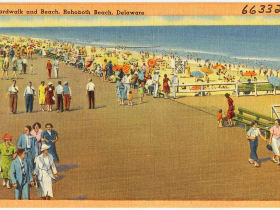
The grand old resort of the Delaware coast, with a classic mile-long wooden boardwalk of amusements, food stands, and a free-concert bandstand backed by a wide public beach.
Funland
5.9 miles away
This is the heart of a Rehoboth beach day for families. Funland has run on the boardwalk since 1962, still owned by the same family, and it is built for younger kids: gentle rides, a carousel, bumper...

Cape May Lighthouse
14 miles away
An 1859 seacoast tower at the very tip of New Jersey, still lit and open to climb: 199 steps of the original spiral stair lead to a view over the Atlantic, Delaware Bay, and the beach towns.
Sunset Beach and the Cape May Diamonds
15 miles away
Two oddities meet on one small beach at the end of New Jersey.
Cape May Beach and Promenade
16 miles away
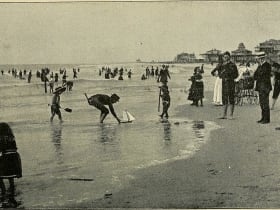
America's oldest seaside resort skips the wooden boardwalk for a smooth, paved Promenade that runs nearly two miles along a seawall above a wide, gently sloping beach.
Emlen Physick Estate
16 miles away
This one house is the reason Cape May still looks like Cape May.