

Minnetonka Cave
St. Charles Canyon Road
St. Charles, ID
A cool, half-mile limestone cave of stalactites and banded travertine high above Bear Lake, found by a hunter chasing a fallen grouse in 1906.
Minnetonka Cave is the largest limestone show cave in Idaho, a half-mile of dripping chambers hidden in the mountains high above Bear Lake. Guided tours lead down through nine rooms decorated with stalactites, stalagmites, and ribbons of banded travertine, all of it built up drop by drop over an immense span of time.
The cave was found by accident. In 1906 a hunter named Edward Arnell shot a grouse that tumbled over a ledge, and when he scrambled after it he felt cold air pouring out of the mountainside. That draft led to this underground world, which was developed in the 1930s into the lighted, stair-stepped show cave visitors tour today. The name Minnetonka is often glossed as falling water.
What Travelers Love
- A cool underground walk through nine chambers of stalactites, stalagmites, and banded travertine
- The steady chill of the cave, a welcome escape on a hot Bear Lake summer day
- The story of its accidental discovery by a hunter in 1906
- Ranger-guided tours that bring the formations and the cave's history to life
Worth Knowing
- The cave is open for guided tours only in the warmer months, roughly from mid-June through early September
- It stays cold inside year round, so bring a jacket even in summer
- The tour involves a lot of stairs and a steady descent and climb, so it is a workout on the way out
- It is a summer bat roost, so tours follow rules that protect the animals and their habitat
Learn about Minnetonka Cave
How the cave formed
The cave was dissolved out of ancient limestone, rock originally laid down as sediment on the floor of a long-vanished sea. Geologists believe it began as a stream that once fed into St. Charles Canyon, slowly eating passages through the soluble stone.
Once the passages drained, water seeping through from above began the slow work of decoration, depositing mineral drop by drop to grow the stalactites hanging from the ceilings, the stalagmites rising from the floors, and the flowing curtains of travertine. It is patient, water-driven artistry measured in thousands upon thousands of years.
The 1906 discovery
The tale of Edward Arnell and his grouse is the kind of origin story that sounds too good to be true but is well documented locally. A bird fell over a ledge, a hunter went to fetch it, and a rush of cold air betrayed the hidden opening.
In the 1930s the cave was developed as a public attraction, with well over a thousand feet of illuminated trail, handrails, and stairs installed so visitors could explore safely. It has drawn generations of Bear Lake travelers underground ever since.
Life in the dark
Like many limestone caves, Minnetonka is a sanctuary for bats, which roost here in the warmer months, and tours are managed to protect them and the fragile cave environment.
Above ground, St. Charles Canyon is forested high country, home to deer, moose, and mountain birds, and the canyon road up to the cave passes creeks and campgrounds worth a stop.
When to visit
The cave is a summer destination, since tours run only from roughly mid-June to early September and the access road is closed by snow in the colder months. That timing pairs perfectly with a Bear Lake summer.
Whatever the weather outside, dress for cold underground, and be ready for the stairs, which are the reason many visitors say the climb back to daylight is the real exercise.
Closest Boutels
The closest Boutel™ stays, so you can turn this stop into an overnight. Each is a place we chose through independent editorial review, never a paid placement.
Details
St. Charles, ID
Frequently asked questions
What is Minnetonka Cave?
Minnetonka Cave, in the mountains near St. Charles in the Bear Lake Valley of southeastern Idaho, is a beautiful limestone cave open for guided tours, where visitors descend into a cool underground world of stalactites, stalagmites, and other formations. The cave features a series of chambers connected by hundreds of stairs, adorned with impressive formations and fossils in the rock, all explored on a ranger-guided tour. Set high in the mountains, it stays cold year-round. A fascinating underground adventure, it is a highlight of the Bear Lake area. With its beautiful formations and guided tours, Minnetonka Cave offers a fascinating destination in Idaho.
What can you see at Minnetonka Cave?
On a guided tour you can descend through a series of chambers to see impressive stalactites, stalagmites, flowstone, and other limestone formations, spot fossils embedded in the cave rock, and learn about the cave's geology from the guide, all in the cool underground setting. The beautiful formations and the fossils are highlights of the tour, which involves climbing down and back up hundreds of stairs. It is a memorable underground experience. With its formations, fossils, and guided tours, Minnetonka Cave offers a fascinating underground adventure near St. Charles in southeastern Idaho.
What should I know before visiting Minnetonka Cave?
The cave stays cold year-round, around the low forties, so bring a warm jacket even in summer, and wear sturdy, non-slip shoes, as the tour involves climbing down and back up hundreds of stairs that can be damp and slippery, making reasonable fitness important. The tour is guided and seasonal, so checking current tour times and being ready for the physical stairs is wise. The cave is not suited to those unable to manage many stairs. Dressing warmly and being prepared for the stairs ensure an enjoyable visit to Minnetonka Cave in Idaho.
When is the best time to visit Minnetonka Cave?
Minnetonka Cave tours are typically offered seasonally in the warmer months, generally from around summer into early fall, so those are the times to visit, as the mountain road to the cave is snowbound in winter, while the cave itself stays cold year-round regardless of surface weather. Because tours are guided and seasonal, checking the current schedule before you go is essential. Summer is the peak season and pairs well with the Bear Lake area. For the tour, aim for the summer season at Minnetonka Cave near St. Charles in southeastern Idaho.
What is near Minnetonka Cave?
Minnetonka Cave is in the mountains near St. Charles in the Bear Lake Valley of southeastern Idaho, within reach of the turquoise Bear Lake and Bear Lake National Wildlife Refuge, the Soda Springs and Lava Hot Springs area, and the route toward northern Utah. That makes Minnetonka Cave a fascinating stop to combine with Bear Lake, the Bear Lake National Wildlife Refuge, and the other attractions of southeastern Idaho on a visit to the state.
Nearby
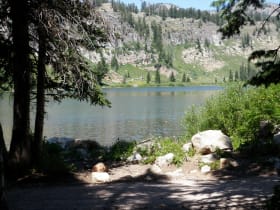
Logan Canyon Scenic Byway
8.5 miles away
Logan Canyon is a dramatic limestone canyon carved by the Logan River, one of the most scenic mountain drives in northern Utah.
Bear Lake State Park
12 miles away
Bear Lake is 20 miles long, 8 miles wide, and its unusual turquoise color comes from calcium carbonate particles suspended in the water. The lake has five species of fish found nowhere else on earth.

Bear Lake National Wildlife Refuge
14 miles away
Bear Lake National Wildlife Refuge covers the northern marshes of Bear Lake, a glacial lake on the Utah-Idaho border known for its turquoise color caused by calcium carbonate suspended in the water.
Hardware Ranch Wildlife Management Area
32 miles away
Hardware Ranch is a state wildlife management area in Blacksmith Fork Canyon where 600-700 wild elk concentrate in winter to eat hay provided by wildlife managers.