
Kartchner Caverns State Park
2980 AZ-90, Benson, AZ
Benson, AZ
A living, dripping limestone cave still growing in the dark under the Whetstone Mountains, kept a close secret for fourteen years so it could be opened without harm.
Kartchner Caverns is one of the finest living cave systems in the country, a maze of wet limestone rooms hidden beneath a hillside in the Whetstone Mountains near Benson. Living means the cave is still forming: water still drips from the ceiling, formations still grow grain by grain, and the air inside stays cool and thick with moisture, a startling contrast to the dry desert overhead.
The cave's greatest wonder may be how it reached the public untouched. Two cavers found the entrance in 1974 and, understanding how fragile the place was, told almost no one for fourteen years while they worked out how to protect it. That secrecy is why Kartchner opened in modern times with its formations pristine, its mud floors unmarked, and its living systems intact, a rare thing among show caves.
What Travelers Love
- Towering, still-wet formations in a cave that is very much alive and growing
- The Throne Room's great central column, one of the tallest formations of its kind
- The remarkable story of how the cave was found and kept secret for years
- A cool, damp, otherworldly break from the desert heat outside
Worth Knowing
- Cave tours are guided and popular, so reserving well ahead is wise, especially in the busy season
- To protect the cave, cameras and bags are not allowed inside, and misting keeps it humid
- The cave stays cool and very humid year round, so a light layer helps
- Parts of the cave close seasonally when bats use it as a nursery, so tours vary by time of year
Learn about Kartchner Caverns State Park
The secret in the hill
In November 1974 two young cavers, Gary Tenen and Randy Tufts, followed a faint sinkhole and a warm, damp draft of air into a crack in the Whetstone limestone and crawled through to find a vast, dripping cave that no one had entered before. They understood at once that footprints, broken formations, and even the oils on human skin could scar a cave like this forever, and they chose to keep it secret.
For fourteen years they told only a handful of trusted people, eventually including the Kartchner family who owned the ranch above it, all sworn to silence. When the group finally approached the state about protecting the cave, they did so quietly to avoid the vandalism that has ruined so many caves once word gets out. Arizona bought the land and spent years designing an entrance and tour system to keep the cave wet and alive, and it opened to visitors only after all that care was taken.
A cave that is still alive
Kartchner is a wet cave, and that is what sets it apart. Water seeping down through the limestone carries dissolved minerals, and drop by drop over long ages it builds the formations: stalactites hanging from the ceiling, stalagmites rising from the floor, thin soda straws, delicate draperies, and rare shapes with names like turnip shields and birdsnests. Because the cave was protected before human traffic could dry it out, these formations still glisten and still grow.
The showpiece is the Throne Room, home to a towering central column called Kubla Khan, one of the tallest cave columns in Arizona. To keep all of this alive, the park controls the humidity carefully, misting the air and using sealed doors so the desert cannot dry the cave, and it asks visitors not to touch the formations, since a single fingerprint can stop a growth that took thousands of years.
Bats, birds, and the world above
Each summer a colony of cave myotis bats returns to a section of Kartchner to give birth and raise their young in the warm, humid dark. To protect the mothers and pups, that part of the cave is closed to tours during the nursery season, so the experience shifts with the time of year. In the evenings the bats stream out to hunt insects over the desert, and their droppings feed the small living community inside the cave.
Above ground the park spreads across desert grassland and the lower slopes of the Whetstones, with mesquite, ocotillo, and hummingbirds at the feeders near the visitor center. Trails climb into the foothills, and the wide sky over this stretch of southeastern Arizona is dark and full of stars once the sun drops behind the mountains.
Season by season
The cave itself hardly changes, holding its cool, damp air steadily through the year, which makes it a welcome refuge on a scorching summer afternoon and a comfortable stop on a cold winter day. What changes with the seasons is the world outside and which parts of the cave are open.
Spring and fall are the gentlest times above ground, with mild days ideal for the foothill trails and the desert in bloom after rain. Summer brings the bat colony and the heat, so the cool cave is a relief and the evening bat flights are a draw, while summer storms can green the grassland. Winter days are crisp and clear, the crowds thinner, and the mountain air sharp under a wide, bright sky.
Closest Boutels
The closest Boutel™ stays, so you can turn this stop into an overnight. Each is a place we chose through independent editorial review, never a paid placement.
Details
Benson, AZ
Frequently asked questions
What is Kartchner Caverns State Park?
Kartchner Caverns State Park, near Benson in southeastern Arizona, protects a spectacular living limestone cave renowned as one of the finest in the world. Discovered in the 1970s and kept secret for years to protect it, the cave features stunning, still-growing formations including one of the world's longest soda-straw stalactites and massive columns, all in a carefully preserved, humid environment. Seen only on guided tours through airlock doors that protect the delicate ecosystem, Kartchner offers an awe-inspiring underground experience alongside a visitor center and desert trails above ground.
Do you need reservations for Kartchner Caverns?
Yes, because the cave is seen only on guided tours with limited capacity to protect the fragile formations, reservations are strongly recommended and often essential, as tours frequently sell out, sometimes well in advance, especially on weekends and in peak season. Booking your tour ahead of time is the single most important step in planning a visit. Checking current tour availability and reserving early ensures you can experience the cave rather than being turned away, since walk-up spots are limited and not guaranteed.
Why is Kartchner Caverns kept so carefully protected?
Kartchner is a rare living cave, meaning its formations are still actively growing, which depends on the cave's naturally high humidity and delicate ecosystem. To preserve this, the cave is entered through a series of airlock doors that maintain the humidity, visitors cannot touch the formations, and photography is generally not allowed inside, keeping the environment pristine. These strict protections, along with the limited, guided tours, are why the cave remains so beautifully intact. Respecting all the rules helps ensure this extraordinary natural wonder endures for future generations.
When is the best time to visit Kartchner Caverns?
The cave stays comfortable year-round, so it is a great destination in any season, including a cool escape during the hot summer, though note that part of the cave, the Big Room, is closed to tours during the warmer months when bats use it as a nursery, so if you want to see that section, visit in the cooler months and check the schedule. Reserving tours ahead is essential in any season. The above-ground trails are most pleasant in the cooler months.
What is near Kartchner Caverns State Park?
The park is near Benson in southeastern Arizona, within reach of the Cochise Stronghold in the Dragoon Mountains, the Wild West town of Tombstone, the copper town of Bisbee, Chiricahua National Monument, and Ramsey Canyon's birding, with Tucson to the northwest. That makes Kartchner Caverns a spectacular underground highlight to combine with the Wild West and mining history, sky-island monuments, birding, and wineries of southeastern Arizona on a road trip through the region.
Outside the Park

Sky Islands
10 miles away
The term "sky islands" describes the 27 mountain ranges of southeastern Arizona that rise above 8,000 feet from a matrix of desert grassland at 4,000 feet.
Cochise Stronghold
13 miles away
Cochise used this natural rock fortress in the Dragoon Mountains to evade US Army forces for 11 years. The 4-mile round-trip canyon trail passes near his burial site.
Boothill Graveyard
18 miles away
The most famous Old West cemetery in the world, where the O.K. Corral dead lie under wooden markers and blunt, dark-humored epitaphs.
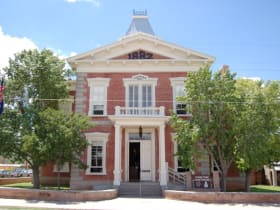
Tombstone Courthouse State Historic Park
18 miles away
The 1882 Victorian brick courthouse anchored Tombstone's law-and-order side during the silver boom, and it now holds the town's history in one compact, self-guided building.

Tombstone
18 miles away
The town too tough to die, where the most famous gunfight of the Old West still echoes down a boardwalk-lined street.

Saguaro National Park
33 miles away
Forests of the giant saguaro cactus, symbol of the American West, on both sides of Tucson.