

Joslyn Art Museum
2600 Dodge St, Omaha, NE
Omaha, NE
A gleaming pink-marble Art Deco palace given to Omaha by a grieving widow, holding some of the finest Western art in America.
The Joslyn Art Museum is one of the great cultural surprises of the Great Plains, a gleaming Art Deco building sheathed in pink Georgia marble that houses a collection far grander than a city Omaha's size might suggest. It was the gift of Sarah Joslyn, given in memory of her husband George, a self-made businessman, and opened in 1931 as a memorial and a place of beauty for the whole community.
Inside, the galleries range from ancient art to European old masters to twentieth-century modernism, but the museum's true glory is its art of the American West. Its crown jewel is a set of watercolors by the Swiss artist Karl Bodmer, made on an expedition up the Missouri River in the 1830s, that stand among the most important visual records ever made of the Northern Plains and their Native peoples.
What Travelers Love
- The building itself, a rare Art Deco masterpiece clad in pink Georgia marble
- The Bodmer watercolors, a priceless record of the 1830s upper Missouri and its Native nations
- A deep collection of Western art alongside European and American masters
- The soaring marble Fountain Court at the museum's heart
Worth Knowing
- The permanent collection is a highlight, so leave time beyond any special exhibition
- The building is a work of art in its own right, so look up at the marble and detailing
- It is an easy pairing with Omaha's Old Market and riverfront for a full day
- Photography rules vary by gallery, so check signage before shooting
Learn about Joslyn Art Museum
A widow's gift to a river city
George Joslyn came to Omaha and built a fortune in the newspaper printing business, becoming one of the city's wealthiest men. When he died in 1916, his widow Sarah resolved to honor him with a lasting gift to the community they had prospered in. She commissioned a grand art museum and gave it to the people of Omaha, and it opened in 1931 in the depths of the Great Depression as a beacon of beauty in hard times.
The building she paid for is itself a treasure. Faced in pink Georgia marble and rich with Art Deco carving and geometry, it is considered one of the finest examples of the style in the region. At its center rises the marble Fountain Court, a soaring, light-filled hall that has served for generations as the heart of Omaha's cultural life.
Bodmer and the Missouri of the 1830s
In 1832 a German naturalist prince, Maximilian of Wied, set out up the Missouri River to study the land and its peoples, and he brought with him a gifted young Swiss painter named Karl Bodmer. Over the next two years Bodmer produced hundreds of watercolors and sketches, portraits of Mandan, Hidatsa, Blackfeet, and other Native leaders, along with landscapes, villages, and wildlife, all rendered with striking accuracy.
The expedition traveled just before smallpox and settlement transformed the upper Missouri forever, so Bodmer's images preserve a world that was about to change utterly. The Joslyn holds this extraordinary body of work, one of the most valuable and historically important collections of Western art anywhere, and rotates selections into view. For the Native nations depicted, the portraits are a precious record of ancestors and a vanished way of life.
Art of the West and the wider world
Beyond Bodmer, the Joslyn tells the story of the American West through the eyes of the artists who followed. Works by painters and sculptors who traveled and portrayed the frontier, its landscapes, its peoples, and its myths, fill the Western galleries, making the museum a place to think about how the West was imagined as well as lived.
The collection reaches far beyond the region, too, with European old masters, American works, ancient and non-Western art, and modern and contemporary pieces. That range means a visitor can trace a line from the antiquities through Renaissance and Impressionist paintings to twentieth-century abstraction, all under one pink-marble roof on the edge of the Great Plains.
Visiting the Joslyn and its city
The Joslyn is designed to be enjoyed slowly. The Fountain Court makes a natural pause between galleries, and the building's Deco detailing rewards a wandering eye as much as any painting. Special exhibitions come and go, but the permanent collection alone justifies a visit, so it is worth budgeting time to see it properly.
The museum sits within easy reach of the rest of Omaha's attractions. Downtown's Old Market, a district of restored brick warehouses full of shops and restaurants, and the Missouri riverfront parks are only minutes away, making the Joslyn an easy anchor for a full day in the city.
Closest Boutels
The closest Boutel™ stays, so you can turn this stop into an overnight. Each is a place we chose through independent editorial review, never a paid placement.
Details
Omaha, NE
Frequently asked questions
What is the Joslyn Art Museum?
The Joslyn Art Museum, in Omaha, Nebraska, is the state's premier art museum, a beautiful institution housing a wide-ranging collection of art in a striking building of marble and modern additions. Known for its lovely architecture and its strong collections, the museum spans art from ancient times to the present, with particular strengths in art of the American West and the frontier, European and American works, and changing exhibitions, all in welcoming galleries and gardens. A cultural treasure of the Great Plains, it delights art lovers. With its fine collections and architecture, the Joslyn Art Museum offers a rewarding destination in Nebraska.
What can you see at the Joslyn Art Museum?
You can see a wide-ranging art collection spanning ancient to contemporary works, with notable holdings in art of the American West and the frontier, European and American paintings, sculpture, and changing special exhibitions, all within the museum's handsome marble galleries and sculpture spaces. The Western and frontier art, the broad permanent collection, the beautiful building, and the rotating exhibitions are the draws, offering a rich cultural experience. Its Western art is a highlight. With its collections and setting, the Joslyn Art Museum offers a rewarding visit in Omaha, Nebraska.
When is the best time to visit the Joslyn Art Museum?
As an indoor museum, the Joslyn Art Museum is enjoyable year-round in any weather, making it a great stop in any season, with special exhibitions and events adding interest at various times. Because hours and exhibitions can vary, checking the current schedule before you go is wise. Because it is indoors, the Joslyn Art Museum makes a rewarding stop any time of year in Omaha, Nebraska.
Is there an admission fee at the Joslyn Art Museum?
The Joslyn Art Museum has long been known for welcoming visitors to its permanent collection, though special exhibitions and certain programs may have their own admission, and policies can change over time, so checking the current admission and hours before you go is wise. Its accessibility has made it a beloved cultural resource for the region. Confirming current details ahead ensures a smooth visit to the Joslyn Art Museum in Omaha, Nebraska.
What is near the Joslyn Art Museum?
The Joslyn Art Museum is in Omaha, Nebraska, within reach of the Old Market district, the Henry Doorly Zoo and Aquarium, the Missouri River waterfront, and downtown Omaha. That makes the Joslyn Art Museum a rewarding stop to combine with the Henry Doorly Zoo and the other attractions of Omaha on a visit to Nebraska.
Nearby
Lincoln Highway Heritage Byway
2.3 miles away
Iowa's stretch of the Lincoln Highway, America's first coast-to-coast road, laid out in 1913 and now a marked heritage byway.
Henry Doorly Zoo and Aquarium
2.6 miles away
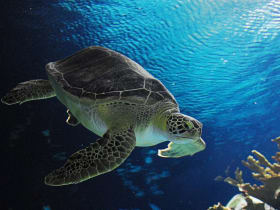
Henry Doorly Zoo and Aquarium: just south of downtown Omaha off Interstate 80 (13th Street exit). Admission charged; parking fee. Plan on most of a day.

Mormon Trail Center at Historic Winter Quarters
4.5 miles away
Mormon Trail Center at Winter Quarters: on State Street in the Florence area of north Omaha, across from the Mormon Pioneer Cemetery.

Loess Hills Scenic Byway
4.9 miles away
The Loess Hills run in a narrow band along Iowas western edge, steep ridges of wind-deposited silt so deep and rugged that this landform reaches comparable scale in only one other place on earth.
Union Pacific Railroad Museum
5.0 miles away
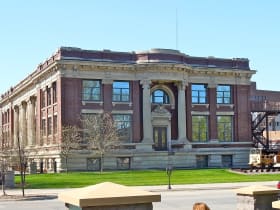
The Union Pacific Railroad Museum is in downtown Council Bluffs, in a 1905 Carnegie library. Admission is free.
Historic Squirrel Cage Jail
5.1 miles away
The Historic Squirrel Cage Jail sits in downtown Council Bluffs.
Historic General Dodge House
5.2 miles away
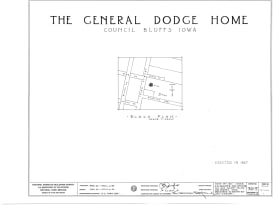
Most travelers pass through Council Bluffs without knowing that the man who engineered the western half of the transcontinental railroad lived here in style.

Hitchcock Nature Center
11 miles away
Hitchcock Nature Center sits in the Loess Hills north of Council Bluffs. The ridges here are steep wind-built silt, and restored hilltop prairie is slowly returning across the preserve.