
Fort Smith Museum of History
320 Rogers Ave, Fort Smith, AR
Fort Smith, AR
A deep, room-by-room walk through the story of a rough frontier town that grew into a working river city on the edge of the old Indian Territory.
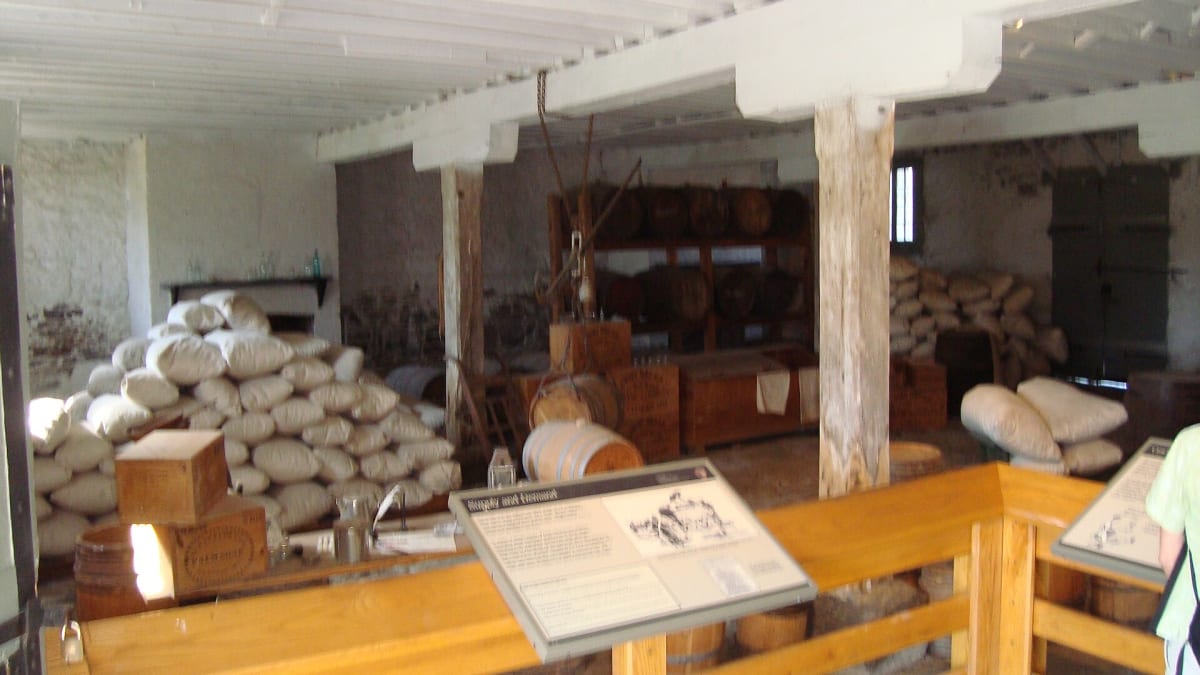
The Fort Smith Museum of History fills a handsome downtown building with the layered story of one of the West's original frontier towns. For much of the 1800s, Fort Smith stood at the literal edge of the United States, the last outfitting stop before the Indian Territory and the lawless country beyond. The museum traces that history through the fur trade, the military fort, the railroads, and the growth of a busy river city.
Spread across several floors, the exhibits move from frontier hardship and the era of Judge Isaac Parker's federal court to the everyday textures of an early twentieth-century city, including a restored soda fountain from an old downtown drugstore. It is the kind of thorough, well-kept local museum that rewards a slow visit and pairs perfectly with the national historic site a few blocks away.
What Travelers Love
- Three floors of exhibits covering frontier days, the railroads, and daily city life
- A restored early drugstore soda fountain on the ground floor
- The landmark building itself, a well-preserved piece of downtown history
- A walkable downtown location beside the national historic site
Worth Knowing
- The museum welcomes visitors and is a short walk from the Fort Smith National Historic Site
- Plan for a couple of hours if you want to see all the floors
- It pairs naturally with the historic site and Miss Laura's Visitor Center nearby
- Check the schedule before visiting, as hours vary by season and the museum closes on some holidays
Learn about Fort Smith Museum of History
A town on the edge of the map
Fort Smith began in 1817 as a military post at Belle Point, where the Poteau River meets the Arkansas, established to keep peace between the Osage and the Cherokee as tribes were pushed into the region. For decades it marked the far western boundary of organized American settlement, the jumping-off point for wagon trains bound for the California gold fields and for the vast Indian Territory that would later become Oklahoma.
The museum's frontier galleries carry visitors through this era of soldiers, traders, and settlers, when Fort Smith was equal parts supply depot and rough boomtown. Because the town sat right against the territory line, it drew both those seeking a fresh start and those fleeing the law, giving it a hard reputation that the museum does not shy away from.
The hanging judge and the deputy marshals
No chapter of Fort Smith history looms larger than the federal court of Judge Isaac C. Parker, who from 1875 presided over an enormous jurisdiction that reached deep into the Indian Territory. His deputy marshals rode out from Fort Smith into some of the most dangerous country in the nation to bring in outlaws, and many did not come back. Parker became known as the Hanging Judge for the many capital sentences handed down in his courtroom.
Among those deputies was Bass Reeves, a formerly enslaved man who became one of the most effective lawmen in the West, credited with arresting thousands of fugitives over a long career. The museum and the nearby national historic site together tell the story of this court and the marshals, both the celebrated and the forgotten, who tried to impose order on the territory.
Rails, river, and a growing city
As the frontier era faded, Fort Smith reinvented itself as a river and rail hub. Steamboats worked the Arkansas River, and when the railroads arrived, the town became a center for manufacturing, coal, and trade with the growing communities across the line. The museum's later galleries follow this transformation, with exhibits on industry, transportation, and the businesses that shaped downtown.
One of the museum's most beloved features is its restored soda fountain, a working relic of the era when the ground floor housed a drugstore. Displays of storefronts, household goods, and city life fill out the picture of a self-made river city that outgrew its rough beginnings.
Visiting the museum and downtown
The museum occupies a substantial early commercial building in the historic downtown, itself a piece of the story it tells. Its several floors reward an unhurried visit, and a small group could easily spend a couple of hours moving through the eras from frontier to modern city.
Because it sits within a short walk of the Fort Smith National Historic Site, the old federal courthouse and gallows, and Miss Laura's Visitor Center in the former red-light district, the museum works best as one stop on a downtown history walk. Together they give a rounded picture of a city that was once the last outpost of the settled United States.
Closest Boutels
The closest Boutel™ stays, so you can turn this stop into an overnight. Each is a place we chose through independent editorial review, never a paid placement.
Details
Fort Smith, AR
Frequently asked questions
What is the Fort Smith Museum of History?
The Fort Smith Museum of History, in downtown Fort Smith, Arkansas, is a museum preserving and sharing the rich history of Fort Smith and the region, from the frontier era to the twentieth century. Housed in a historic building, the museum's wide-ranging exhibits cover the city's history, including its frontier and Wild West past, its role as a gateway to the West, transportation and industry, daily life through the decades, and local heritage, along with historic artifacts and a nostalgic old-fashioned soda fountain. A warm and engaging window into the story of Fort Smith, it delights history lovers and families. With its local history and exhibits, the Fort Smith Museum of History offers a fascinating destination in Arkansas.
What can you see at the Fort Smith Museum of History?
You can explore wide-ranging exhibits on the history of Fort Smith and the region, from its frontier and Wild West past to transportation, industry, and daily life through the decades, view historic artifacts, and enjoy the nostalgic old-fashioned soda fountain in the historic building. The diverse local history, the frontier and Wild West heritage, the artifacts, and the charming soda fountain are the draws, offering an engaging and nostalgic look at the city's past. It complements the nearby national historic site. With its exhibits and history, the Fort Smith Museum of History offers an engaging visit in Arkansas.
When is the best time to visit the Fort Smith Museum of History?
As an indoor museum, the Fort Smith Museum of History is enjoyable year-round in any weather, making it a great stop in any season while exploring downtown Fort Smith. It can be busier on weekends. Because hours can vary, checking the current schedule before you go is wise. It pairs naturally with the Fort Smith National Historic Site nearby. Because it is indoors, the Fort Smith Museum of History makes a rewarding stop any time of year in Arkansas.
What should I know before visiting the Fort Smith Museum of History?
The Fort Smith Museum of History is an indoor museum in a historic downtown building, easy to visit in any weather, and it pairs naturally with the Fort Smith National Historic Site and the other downtown attractions for a day of Fort Smith history. Because hours can vary, checking the current schedule before you go is wise. Its old-fashioned soda fountain is a fun treat. Checking hours ahead and combining it with the nearby sites ensure a rewarding visit to the Fort Smith Museum of History in Arkansas.
What is near the Fort Smith Museum of History?
The Fort Smith Museum of History is in downtown Fort Smith, Arkansas, within reach of the Fort Smith National Historic Site, Miss Laura's Visitor Center, the Clayton House, and the western Arkansas region. That makes the Fort Smith Museum of History a fascinating stop to combine with the Fort Smith National Historic Site and the other attractions of Fort Smith on a visit to Arkansas.
Nearby
Fort Smith National Historic Site
0.1 miles away
Fort Smith National Historic Site brings the Old West to life for kids in a way few museums can.
Miss Laura's Visitor Center
0.3 miles away
This has to be the only tourist information desk in America inside a former brothel, and the guides lean into it with real candor.
The Clayton House
0.5 miles away
Behind an ordinary Fort Smith street stands a Gilded Age showpiece most visitors never find.
Popeye Statue
13 miles away
Alma calls itself the Spinach Capital of the World, so of course it has a statue of Popeye.

Talimena National Scenic Byway
48 miles away
Talimena Byway western trailhead: in Talihina, OK on US-271 at Talimena State Park (lat 34.739, lng -94.992). Free.