

Colorado National Monument
1 Rimrock Dr, Grand Junction, CO
Grand Junction, CO
A high plateau of sheer red-rock canyons and freestanding monoliths, laced by a winding rim drive above the Grand Valley.
Colorado National Monument is a sweeping landscape of red-rock canyons, sheer cliffs, and freestanding stone monoliths on the Western Slope, protected as a national monument for its dramatic desert scenery. Its centerpiece is Rim Rock Drive, a winding road that hugs the canyon edges and delivers one spectacular overlook after another, high above the Grand Valley of the Colorado River.
The rock here is the deep red and buff sandstone of the Colorado Plateau, carved over immense stretches of time into towers, walls, and side canyons. Standing formations like the tall shaft of Independence Monument rise from the canyon floors, and the whole plateau feels like a quieter, less crowded cousin to the famous red-rock parks of Utah just to the west.
What Travelers Love
- The winding Rim Rock Drive with overlooks into deep red canyons
- Towering freestanding monoliths like Independence Monument
- Hiking trails that drop into the canyons and out to the rim
- Wide-open high-desert scenery and big skies over the Grand Valley
Worth Knowing
- This is high desert with intense sun and little shade, so carry plenty of water
- Summer days can be very hot, so hike early and watch for afternoon storms
- The rim drive is scenic but winding, so take your time and use the pullouts
- Watch for bighorn sheep and other wildlife along the road, especially early and late
Learn about Colorado National Monument
Protecting the canyons
The canyon country of the monument lies within lands long traveled and used by the Ute people, whose homeland spans this part of western Colorado and whose connection to the region endures today. The rock and the river carry a human history far older than the monument itself.
The area owes its protection in large part to John Otto, an eccentric and tireless early advocate who fell in love with the canyons, built many of the first trails by hand, and campaigned to have the land set aside. His efforts helped lead to the establishment of the national monument in the early twentieth century, and he served as its first caretaker, living among the rocks he had worked to protect.
How the rock was carved
The monument sits on the edge of the Colorado Plateau, and its cliffs are built from layers of sandstone laid down over vast spans of geologic time, including rock formed from ancient deserts and river systems. Beneath them lies far older, hard basement rock, and the meeting of these layers is written across the canyon walls.
Water and weather did the sculpting. Over millions of years, runoff and the freeze and thaw of desert seasons cut down through the soft sandstone, widening canyons and undermining cliffs until freestanding towers and monoliths were left behind. That slow carving continues today, and the debris slopes below the cliffs are part of the ongoing work.
The rim drive and the trails
Rim Rock Drive is the classic way to experience the monument, a winding road climbing from the valley to the plateau and running along the canyon rims, passing through tunnels and past a string of overlooks that gaze down into the red depths. It is one of the great scenic drives of the Western Slope and a favorite among cyclists as well as drivers.
For those who want to get out and explore, trails range from short rim walks to steep routes that drop into the canyons and out to the base of the monoliths. Along the way, hikers may spot desert bighorn sheep on the ledges, along with lizards, jackrabbits, and the raptors that ride the updrafts along the cliffs.
Season by season
Spring brings mild temperatures, desert wildflowers, and some of the best hiking weather of the year on the plateau.
Summer is hot and bright with little shade, best enjoyed early or late in the day, and afternoons can bring sudden thunderstorms and flash flooding in the canyons.
Fall returns cool, clear air and golden cottonwoods along the valley below, an ideal time for the rim drive and longer hikes.
Winter is cold and quiet, with occasional snow dusting the red rock in a striking contrast, and clear days that keep the canyons dramatic under a low sun.
Closest Boutels
The closest Boutel™ stays, so you can turn this stop into an overnight. Each is a place we chose through independent editorial review, never a paid placement.
Details
Grand Junction, CO
Frequently asked questions
What is Colorado National Monument?
Colorado National Monument, near Grand Junction and Fruita in western Colorado, is a stunning landscape of towering red rock canyons, sheer cliffs, and dramatic sandstone monoliths rising from the high desert. This spectacular monument preserves a vast expanse of canyon country, with the scenic Rim Rock Drive winding along the canyon rims offering breathtaking overlooks of formations like the iconic Independence Monument. Popular for scenic driving, hiking, rock climbing, biking, and wildlife viewing, Colorado National Monument showcases the grandeur of the American Southwest's canyon landscapes, offering awe-inspiring scenery and outdoor recreation just outside the Grand Junction area in Colorado's beautiful western canyon country.
What can you do at Colorado National Monument?
You can drive the spectacular Rim Rock Drive along the canyon rims, stopping at numerous overlooks with stunning views of the red rock canyons and monoliths like Independence Monument, hike trails ranging from easy walks to longer treks into the canyons, bike the scenic road, rock climb, watch for wildlife including bighorn sheep and soaring birds, and enjoy photography and camping. The dramatic scenery rewards every level of visitor. With its breathtaking drive, overlooks, trails, and canyon scenery, Colorado National Monument offers an unforgettable outdoor experience in the beautiful canyon country of western Colorado.
What safety precautions should I take at Colorado National Monument?
The high-desert environment can be hot and exposed, so carry plenty of water, wear sun protection, and avoid strenuous hiking in the heat of the day in summer, going early instead. On the trails and at overlooks, stay back from steep, unfenced canyon edges and cliffs, which can be dangerous, and watch children closely. Be aware of the elevation and possible afternoon storms with lightning on exposed terrain. Watch for wildlife and rough terrain. Being prepared for the heat, sun, and cliff edges, and starting hikes early, ensures a safe visit to this canyon monument.
When is the best time to visit Colorado National Monument?
Spring and fall offer the most comfortable temperatures for hiking and exploring, with beautiful light on the red rocks, making them the prime seasons, while summer can be hot in the high desert, so early morning or evening visits are best then, and winter is cooler and quieter but can be lovely with snow dusting the red rocks. The scenic drive is enjoyable year-round when open. Sunrise and sunset light on the canyons is spectacular. For the best combination of comfortable weather and beautiful scenery, aim for spring or fall at Colorado National Monument.
What is near Colorado National Monument?
Colorado National Monument is near Grand Junction and Fruita in western Colorado, close to the wine country and orchards of Palisade, the world's largest flat-top mountain at Grand Mesa, dinosaur museums and fossil sites in the area, and within reach of the canyon country and outdoor recreation of the region. That makes Colorado National Monument a spectacular stop to combine with Palisade wine country, Grand Mesa, the dinosaur attractions, and the outdoor recreation of western Colorado on a visit to the state.
Nearby

Dinosaur Journey Museum
6.4 miles away
Dinosaur Journey Museum in Fruita, operated by the Museum of Western Colorado, covers the Western Slope's exceptional fossil record with full-scale mounted dinosaur skeletons, an active paleontology l...
Mike the Headless Chicken Statue
6.5 miles away
In the middle of downtown Fruita stands a metal rooster honoring a chicken that lived a year and a half without a head.
Book Cliffs Viewpoint
12 miles away
The Book Cliffs - a 200-mile escarpment of near-vertical sandstone walls running from Grand Junction into Utah - are best seen from D Road north of Fruita, where the cliffs fill the northern horizon f...
UT-128 Colorado River Scenic Byway
34 miles away
UT-128 follows the Colorado River from Moab northeast through Professor Valley, past Fisher Towers, Castle Valley, and the Rose Ranch ruins.

Arches National Park
58 miles away
More than 2,000 natural stone arches, including the iconic Delicate Arch, carved from red Entrada sandstone.
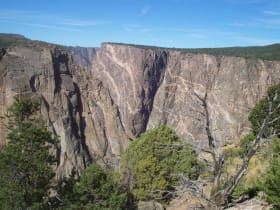
Black Canyon of the Gunnison National Park
66 miles away
A gorge so narrow and deep that parts of its walls get only 33 minutes of sunlight a day.