

Cincinnati Zoo and Botanical Garden
3400 Vine St, Cincinnati, OH
Cincinnati, OH
One of the oldest zoos in the country, a pioneer of conservation and endangered-species science, set among historic buildings and lush botanical gardens.
The Cincinnati Zoo is one of the oldest zoos in the United States, founded in 1875, and over its long life it has grown into one of the country's most respected centers for wildlife conservation and endangered-species science. It is also an accredited botanical garden, so its animal habitats are woven through gardens and mature plantings, making the grounds a place to see rare creatures and rare plants alike.
The zoo's history runs deep and, at times, poignant. It was here that the last known passenger pigeon and the last Carolina parakeet died in the early twentieth century, an event that helped awaken American conservation. Today the same institution runs pioneering programs to breed and protect endangered species, turning that early loss into a mission, and its story of the hippo Fiona brought that work to a wide and affectionate audience.
What Travelers Love
- A blend of animals and botanical gardens, so the grounds are as green as they are wild
- A leading role in conservation and endangered-species breeding programs
- Historic nineteenth-century zoo buildings alongside modern habitats
- A famous hippo whose early story became a beloved comeback tale
Worth Knowing
- It is both a zoo and an accredited botanical garden, so allow time for the plantings too
- The grounds are hilly, in keeping with Cincinnati's terrain, so wear comfortable shoes
- It is open year-round, with a festive light display in the winter holiday season
- Popular animal habitats can draw crowds midday, so early visits are calmer
Learn about Cincinnati Zoo and Botanical Garden
A pioneer among American zoos
Founded in 1875, the Cincinnati Zoo is among the oldest in the country, and several of its original buildings survive, including an ornate historic aviary and reptile house that are landmarks of nineteenth-century zoo architecture. From the start it was designed as much as a garden and civic retreat as a collection of animals, a place for city residents to walk among trees and creatures.
The zoo also carries a somber place in conservation history. Its aviary held Martha, the last passenger pigeon in the world, who died there in 1914, and the last Carolina parakeet died at the zoo a few years later. Those extinctions, of birds once numbered in the billions, became powerful lessons that helped drive the American conservation movement in the century that followed.
Turning loss into a mission
Out of that history the zoo built a modern identity as a conservation leader. It became an early and influential center for the science of breeding endangered species, from big cats to rhinos, and its research arm works on reproduction, genetics, and the preservation of frozen cells and tissue as a hedge against extinction.
That work has helped species that were dwindling in the wild, and it links the zoo to conservation partners around the globe. The animals visitors come to see are, in many cases, part of carefully managed breeding populations meant to keep their kind from vanishing the way the passenger pigeon did.
Fiona and the animals people love
In recent years the zoo captured hearts far beyond Ohio with Fiona, a hippopotamus born prematurely and nursed to survival by the zoo's staff. Her fragile beginning and steady recovery became an internet phenomenon and a rallying point for the zoo, drawing fans from around the world and putting a warm, human face on the institution's care.
Fiona is one of many draws. The zoo is known for its big cats, gorillas, red pandas, elephants, and manatees, among many others, presented in habitats that have grown more naturalistic over the decades. It is a place where a single visit can move from historic buildings to modern habitats to a hillside of gardens.
Gardens and the river city
As an accredited botanical garden, the zoo takes its plantings seriously. The grounds hold themed gardens, seasonal flower displays, and a horticulture program that tests plants for the region's gardeners, so the setting is a living arboretum around the animal habitats. In the winter holiday season the grounds fill with an elaborate light display.
The zoo sits in the hilly Avondale neighborhood of Cincinnati, part of the ancestral homeland of the Shawnee, Miami, and Lenape (Delaware) peoples, whose descendant nations continue today, largely in Oklahoma. From here it is a short trip to the city's other great institutions, from the Union Terminal museums to the historic streets of Over-the-Rhine.
Closest Boutels
The closest Boutel™ stays, so you can turn this stop into an overnight. Each is a place we chose through independent editorial review, never a paid placement.
Details
Cincinnati, OH
Frequently asked questions
What is the Cincinnati Zoo and Botanical Garden?
The Cincinnati Zoo and Botanical Garden, in Cincinnati, Ohio, is one of the oldest and finest zoos in the country, home to a remarkable variety of animals in beautiful habitats along with award-winning botanical gardens. The zoo houses thousands of animals, from big cats and elephants to gorillas, giraffes, and a beloved hippo, in immersive habitats, and it is celebrated for its conservation work, its gardens and plantings, and its dedication to animal care. Its outstanding animals, gardens, and history make it a world-class family destination. A superb and family-friendly zoo, it delights visitors. With its animals and gardens, the Cincinnati Zoo offers a compelling destination in Ohio.
What can you see at the Cincinnati Zoo and Botanical Garden?
You can see thousands of animals from around the world, including big cats, elephants, gorillas, giraffes, and a famous hippo, in immersive habitats, along with award-winning botanical gardens and beautiful plantings throughout. The diverse animals, the immersive habitats, the beloved hippo, and the gardens are the draws, making it a superb visit for all ages. The animals and the lovely gardens together are highlights. With its animals and gardens, the Cincinnati Zoo offers a rewarding experience in Ohio.
Is the Cincinnati Zoo and Botanical Garden good for families?
Yes, the Cincinnati Zoo and Botanical Garden is wonderful for families, with a great variety of animals, a beloved hippo, immersive habitats, gardens, and a children's area that delight children and adults alike. The famous animals and the beautiful grounds especially engage kids, making it one of the country's top family destinations. Its combination of zoo and gardens offers a full day. Its family appeal makes the Cincinnati Zoo a delightful destination in Ohio.
When is the best time to visit the Cincinnati Zoo and Botanical Garden?
The mild months of spring through fall are the most pleasant for the outdoor habitats and gardens, with the animals active, the gardens blooming, and the weather comfortable, while some indoor exhibits and a beloved holiday light display offer appeal in other seasons. Because it is large and popular, arriving early and allowing plenty of time are wise. For the most pleasant weather and blooming gardens, aim for spring through fall, or enjoy the winter lights, at the Cincinnati Zoo in Ohio.
What is near the Cincinnati Zoo and Botanical Garden?
The Cincinnati Zoo and Botanical Garden is in Cincinnati, Ohio, within reach of downtown Cincinnati, the Cincinnati Museum Center at Union Terminal, the American Sign Museum, and the other attractions of the Cincinnati area. That makes the Cincinnati Zoo a compelling stop to combine with the other attractions of Cincinnati on a visit to Ohio.
Nearby

American Sign Museum
1.7 miles away
Most visitors to Cincinnati never make it to Camp Washington, which is where this glowing wonder hides.
Cincinnati Museum Center at Union Terminal
2.9 miles away
The building alone is the reason to come. Union Terminal is one of the finest Art Deco structures in America, its sweeping curved facade and half-dome rotunda so striking that they inspired the look o...
Newport Aquarium
3.5 miles away
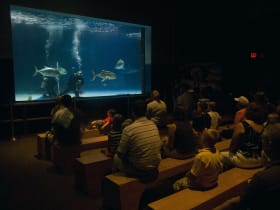
The Newport Aquarium turns a fish tank into an adventure for kids.
BB Riverboats
3.6 miles away
Getting out on the Ohio River is a treat for kids, and BB Riverboats makes it easy from the Newport riverfront.

Roebling Suspension Bridge
3.6 miles away
For a quick walk into engineering history with a skyline view, step out onto the Roebling Suspension Bridge at the Covington riverfront.
World Peace Bell
3.8 miles away
In the last seconds of the 20th century, a 33-ton bronze bell in Newport swung for the first time to ring in the year 2000, and for years afterward it was the largest free-swinging bell in the world.

MainStrasse Village
3.8 miles away
Cross the river from Cincinnati and you can wander a slice of 19th-century Germany.
Devou Park City Overlook
4.8 miles away
For the best free view of the Cincinnati skyline, cross to the Kentucky side and drive up into Devou Park.
Pyramid Hill Sculpture Park and Museum
16 miles away
This one rewards travelers who like their art with a hike. Pyramid Hill spreads more than 70 giant sculptures across 470 acres of rolling Butler County hills and forest, so you experience the work the...

Kings Island
19 miles away
Kings Island splits neatly for families: big kids and teens chase the coasters while younger ones have one of the largest kiddie-ride areas in the country.