
Calvert Marine Museum
130 Charles St, Solomons, MD
Solomons, MD
A waterfront museum where prehistoric fossils, living otters, and a lighthouse you can climb tell the whole story of the lower Chesapeake.
The Calvert Marine Museum tells the story of the lower Chesapeake in three great threads: the fossils of an ancient sea, the wildlife of the modern bay and its rivers, and the maritime heritage of the watermen and boatbuilders who have worked these waters for generations. Set on the waterfront in the little island town of Solomons, where the Patuxent River meets the Chesapeake, it is one of the most enjoyable and family-friendly museums in Southern Maryland.
Its most beloved features include the historic Drum Point Lighthouse, a cottage-style screwpile light moved here and restored so visitors can climb up inside it, and a habitat of live North American river otters whose antics delight children and adults. Add a fossil hall drawn from the famous Calvert Cliffs, a working boat basin, and a restored oyster-dredging vessel, and the museum captures the whole span of Chesapeake life, from the deep past to the present day.
What Travelers Love
- The historic Drum Point Lighthouse, a screwpile cottage lighthouse you can climb
- Live river otters at play in their outdoor habitat
- A fossil hall built on the region's famous prehistoric marine life
- The waterfront setting where the Patuxent meets the bay, with boats and boardwalk
Worth Knowing
- The museum welcomes visitors and keeps regular daily hours; the lighthouse and boat rides may run seasonally
- It is very family-friendly, with plenty for children across the fossil, wildlife, and maritime exhibits
- The historic bugeye Wm. B. Tennison offers seasonal river cruises, a nice add-on
- Pair it with a stroll along the Solomons boardwalk and lunch on the water
Learn about Calvert Marine Museum
Fossils of an ancient sea
Southern Maryland's Calvert Cliffs are one of the great fossil sites of the East Coast, and the museum's paleontology hall brings that ancient world to life. Millions of years ago a warm, shallow sea covered this region, teeming with sharks, whales, rays, and shellfish, and their fossilized remains still wash out of the nearby cliffs onto the beaches today.
The museum displays fossils recovered from those cliffs, including the teeth of enormous prehistoric sharks and the bones of ancient whales and other sea creatures. For visitors who go fossil hunting at nearby Calvert Cliffs State Park, the hall is the perfect companion, showing what the fragments they find in the sand once belonged to and how scientists piece the vanished sea back together.
Otters and the living bay
The museum's estuarine biology exhibits explore the living Chesapeake, from the fish and blue crabs of the open bay to the creatures of its marshes and rivers. Aquariums and displays introduce the web of life in one of the great estuaries of North America, a place where fresh river water and salty bay water mix to create astonishingly rich habitat.
The undisputed stars are the museum's live North American river otters, kept in an outdoor habitat where they swim, wrestle, and slide with irresistible energy. Watching them at play is a highlight for nearly every visitor, and it puts a charismatic, living face on the museum's message about protecting the health of the bay and its rivers.
The lighthouse and the maritime heritage
The Drum Point Lighthouse is one of the museum's treasures, a hexagonal cottage-style screwpile lighthouse that once guided boats into the mouth of the Patuxent. Rescued from decay and moved to the museum grounds, it has been restored and furnished so that climbing inside feels like stepping into the life of a lighthouse keeper's family generations ago.
The maritime story continues along the waterfront, where the museum keeps a fleet that includes the Wm. B. Tennison, a historic bugeye that once dredged for oysters and now offers seasonal cruises on the river. Exhibits on boatbuilding, oystering, and the working watermen of the Chesapeake round out a rich picture of a way of life that has shaped the towns of Southern Maryland for centuries.
The town of Solomons
The museum sits at the edge of Solomons, a small island community that grew up around the oyster trade and boatbuilding and now welcomes travelers to its waterfront. A boardwalk runs along the water past marinas and moored sailboats, and the town's seafood restaurants make the most of the bounty just offshore.
Solomons makes a relaxed base for exploring the lower Chesapeake, close to the fossil beaches of Calvert Cliffs, the tidewater countryside of Calvert and St. Mary's counties, and the wide waters where the Patuxent meets the bay. A day here easily combines museum, boardwalk, and a plate of local crab.
Closest Boutels
The closest Boutel™ stays, so you can turn this stop into an overnight. Each is a place we chose through independent editorial review, never a paid placement.
Details
Solomons, MD
Frequently asked questions
What is the Calvert Marine Museum?
The Calvert Marine Museum, in Solomons in southern Maryland, is an engaging regional museum built around three themes: the paleontology of the nearby Calvert Cliffs, the ecology of the Chesapeake Bay and Patuxent River, and the area's rich maritime history. Highlights include enormous fossil shark teeth, live river otters, a historic screwpile lighthouse, and a collection of traditional bay boats. With something for every age and interest, it is a top family destination on the Chesapeake.
What can you see at the Calvert Marine Museum?
You can touch fossils millions of years old and marvel at giant megalodon shark teeth and ancient whale remains in the paleontology gallery, watch playful North American river otters and see rays, skates, small sharks, and other bay life in the aquariums, and tour the restored Drum Point Lighthouse. The museum also features a fine small-boat collection, a restored oyster house, and, in season, a ride aboard a historic log-built bugeye sailboat.
When is the best time to visit the Calvert Marine Museum?
The museum is open daily year-round and works well in any weather, since much of it is indoors, making it a great rainy-day option. The outdoor features, like the lighthouse tour and the seasonal historic boat ride, are best enjoyed in the warmer months. Weekdays tend to be quieter than weekends. Plan on a couple of hours or more to take in the fossils, otters, lighthouse, and boats at a relaxed pace.
Is the Calvert Marine Museum good for families?
Very much so. Children love the otters, the touch tanks with horseshoe crabs and terrapins, the giant shark fossils, and climbing through the historic lighthouse, while adults appreciate the depth of the maritime and natural history. The variety means there is something for every taste. While admission can feel a bit steep for a family, most visitors find it well worth it for the engaging, hands-on, and educational experience.
What is near the Calvert Marine Museum?
The museum sits in the charming waterfront town of Solomons, with its shops, restaurants, and marinas at the mouth of the Patuxent River. Nearby, Calvert Cliffs State Park offers the chance to hunt for the same kinds of fossils displayed in the museum, right on the beach. The scenic countryside and small towns of southern Maryland surround the area, making the museum an easy centerpiece for a day exploring the region.
Nearby
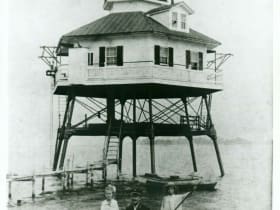
Drum Point Lighthouse
0.2 miles away
The Chesapeake was once dotted with odd little houses on stilts guarding its shoals, and almost all are gone.
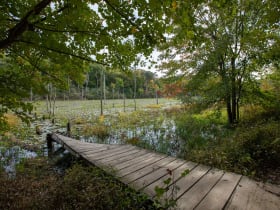
Calvert Cliffs State Park
5.1 miles away
These Chesapeake cliffs are a window straight into the Miocene, 10 to 20 million years ago, when a warm sea covered southern Maryland.

Sotterley Plantation
5.4 miles away
Most colonial plantation houses in tidewater Maryland are long gone, which makes Sotterley on the Patuxent rare and worth the detour.
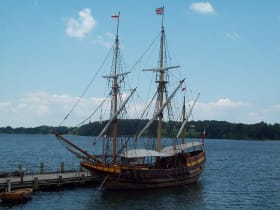
Historic St Mary's City and the Maryland Dove
9.3 miles away
History lands differently when kids can climb it, and this outdoor museum is built for that.