
Yakima Valley Fruit Stands
Yakima Valley, central Washington
Yakima, WA
One of the most productive farm valleys in the country, where roadside stands sell just-picked cherries and peaches in the shadow of hop yards and the oldest vineyards in the state.
The Yakima Valley is one of the great farm baskets of the country, and its roadside fruit stands are the friendliest way to taste it. Along the valley's back roads and highways, family stands and u-pick orchards sell cherries, peaches, apricots, apples, and pears within hours of the harvest, often from the very trees you can see behind the counter. In summer and fall the whole valley becomes a slow, sweet driving tour from stand to stand.
This abundance is no accident. Warm, dry, sun-soaked days, cool nights, volcanic soil, and water drawn from the mountains through a century of irrigation have made the Yakima Valley extraordinarily productive. It grows a huge share of the nation's hops, some of its finest tree fruit, and the grapes for the oldest wine region in Washington, all in one long, green valley.
What Travelers Love
- Roadside stands piled with cherries, peaches, apricots, apples, and pears in season
- Driving between hop fields, orchards, and vineyards under wide central Washington skies
- Tasting at the vineyards of Washington's very first wine region
- The simple pleasure of fruit eaten within an hour of being picked
Worth Knowing
- This is a seasonal pleasure; cherries come first in early summer, then stone fruit and apples through fall, so time your visit to what you want to eat
- Many stands and u-pick farms are cash-friendly and keep farm hours, so plan for a relaxed pace rather than a fixed schedule
- Summers are hot and sunny with little shade between fields; bring water and sun protection
- The valley is spread out, so a short driving loop between towns lets you sample the most stands
Learn about Yakima Valley Fruit Stands
How the valley was watered
For all its lushness, the Yakima Valley is high desert, and in its natural state it is sagebrush country that sees little rain. What transformed it was water. Beginning in the early twentieth century, large federal and private irrigation projects diverted the Yakima River and its tributaries into a network of canals and ditches, turning dry benchland into orchard and field almost overnight.
That water made the valley one of the most intensive farming regions in the West. Row upon row of fruit trees, tall trellises of hops, and rank after rank of grapevines cover ground that a lifetime earlier grew only sage and bunchgrass. The fruit stand at the edge of the road is the last, small link in that long chain from snowmelt to canal to tree to your hand.
Hops, apples, and wine
The Yakima Valley is a giant in more markets than most visitors realize. It grows the large majority of the hops raised in the United States, the aromatic flowers that flavor much of the country's beer, and in late summer the hop yards stand tall and green, their scent hanging in the air near harvest. The valley is also a heartland of Washington's famous tree fruit, from cherries and apricots to the apples the state is known for.
It is wine country, too, and pioneering wine country at that. The Yakima Valley was the first federally recognized wine region in Washington, established in the 1980s, and its vineyards helped launch a state industry that has since grown enormous. Today tasting rooms dot the valley alongside the fruit stands, a chance to sample what the same sun and soil produce in a glass.
The Yakama Nation and the living land
Long before the canals and the orchards, this valley was and remains the homeland of the Yakama people. Under the treaty of 1855, the many bands and tribes who became the Confederated Tribes and Bands of the Yakama Nation reserved a vast area to the south and west of the valley, and they retain rights across their ceded lands, including the fishing, hunting, and gathering that have sustained them for generations.
The Yakama Nation remains a central presence in the region today, with its own government, cultural center, and enterprises, and its history is woven through the valley's place names and its water. To travel the valley eating its fruit is to move across a landscape that is both a modern farm empire and an ancient homeland, held by the people who have belonged to it far longer than any orchard.
A season of harvests
Half the pleasure of the valley is knowing what is ripe when, because the stands follow the harvest closely. Cherries lead the way in early summer, dark and sweet, followed through the warm months by apricots, peaches, nectarines, and plums, the classic stone fruit the valley is known for. Berries and melons fill in the middle of the season.
As summer tips into autumn, the great apple and pear harvest arrives, the crop that made Washington a household name, along with late grapes and the first pressings of the valley's wineries. A stand that overflows with cherries in June will be stacked with apples by October, so the valley rewards more than one visit across a single season.
Closest Boutels
The closest Boutel™ stays, so you can turn this stop into an overnight. Each is a place we chose through independent editorial review, never a paid placement.
Details
Yakima, WA
Frequently asked questions
What are the Yakima Valley fruit stands?
The Yakima Valley, in central Washington, is one of the most productive agricultural regions in the country, and its many fruit stands and farm markets are a beloved way to experience its bounty. Blessed with abundant sunshine and irrigation, the valley produces enormous quantities of apples, cherries, peaches, pears, and other fruit, along with hops, wine grapes, and vegetables. Roadside fruit stands and farm markets throughout the valley offer fresh, seasonal produce directly from the growers, often at great value. Combined with the region's wineries and orchards, the Yakima Valley fruit stands let visitors savor the fresh flavors and agricultural richness of central Washington.
What can you buy at the Yakima Valley fruit stands?
You can buy an abundance of fresh, seasonal produce directly from growers, including the region's famous apples, sweet cherries, peaches, nectarines, pears, and berries, along with vegetables, and often local products like honey, jams, cider, and, in the wine country, wine. The offerings change with the seasons, from cherries and peaches in summer to apples and pears in fall. Buying fresh from the farm stands means peak flavor and value. With their bounty of fresh fruit and local products, the Yakima Valley fruit stands offer a delicious way to enjoy the agricultural richness of central Washington.
When is the best time to visit the Yakima Valley fruit stands?
Summer through fall is the prime time, coinciding with the harvest seasons when the fruit stands overflow with fresh produce: cherries and early stone fruit in early to mid summer, peaches and more through late summer, and apples and pears in the fall harvest, which is a particularly abundant and popular time. Spring brings blossoms to the orchards. For the fullest selection and peak freshness, aim for summer through fall, timing a visit to the harvest of your favorite fruit, when the Yakima Valley fruit stands are at their most bountiful in central Washington.
What else can you do in the Yakima Valley?
Beyond the fruit stands, you can tour and taste at the many wineries of the Yakima Valley, one of Washington's major wine regions, visit orchards and, in some cases, pick your own fruit, explore hop farms in this major hop-growing area, dine on farm-fresh fare, and enjoy the scenic agricultural landscape and nearby attractions like the Yakima River Canyon. The combination of fruit stands, wineries, and orchards makes for a delicious agritourism experience. With its fruit stands, wineries, orchards, and farm country, the Yakima Valley offers a rich and flavorful destination in central Washington.
What is near the Yakima Valley fruit stands?
The Yakima Valley fruit stands are throughout the valley in central Washington, near the city of Yakima, the valley's wineries and orchards, the scenic Yakima River Canyon, and within reach of the Columbia River, Ellensburg, and the Cascade foothills. That makes the Yakima Valley fruit stands a delicious stop to combine with the valley's wineries, the Yakima River Canyon, and the other attractions of central Washington on a visit to the state.
Nearby

Yakima River Canyon
5.8 miles away
SR-821 through the Yakima River Canyon is a 26-mile road through a basalt canyon that concentrates wildlife viewing, fishing access, and geology in a single corridor.
Ginkgo Petrified Forest State Park
34 miles away
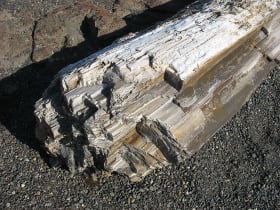
Ginkgo Petrified Forest State Park near Vantage preserves 15-million-year-old petrified logs of the ginkgo tree - a species now native only to China - embedded in basalt flows above the Columbia River...
Wild Horse Monument
36 miles away
The monument is reached from I-90 exit 139 just east of the Vantage bridge; follow the pavement a short way to the parking lot.

Mount Rainier National Park
60 miles away
An active glaciated volcano ringed by wildflower meadows, the tallest peak in the Cascade Range.