

Yakima River Canyon
State Route 821
Ellensburg, WA
A slow, twisting 27-mile drive that most highway travelers skip, following the Yakima River through walls of stacked basalt where bighorn sheep pick their way along the cliffs.
The Yakima River Canyon is the drive most Washingtonians skip, and that is exactly its charm. Where the interstate barrels over the ridges between Ellensburg and Yakima, State Route 821 slips down into the canyon and follows the Yakima River for 27 slow, curving miles, hemmed in by cliffs of dark basalt stacked like cordwood. In 1968 it became the first road in the state to be named a Washington Scenic Byway, and it has lost none of its quiet appeal.
This is central Washington at its best: big skies, sagebrush hills, and a green river winding through walls of rock that in places rise 2,000 feet overhead. It rewards a driver willing to slow down, and even more so anyone who stops to float, fish, or simply sit by the water and watch the cliffs for movement.
What Travelers Love
- A quiet, curving river road that feels a world away from the nearby freeway
- Bighorn sheep, elk, and mule deer along the banks and cliffs
- Lazy summer floats and rafting on a gentle, scenic river
- Fly fishing a blue-ribbon trout stream framed by basalt walls
Worth Knowing
- The road is narrow and winding with few pullouts, so drive relaxed and let faster traffic by
- This is high desert; summers are hot with little shade, so carry water for any stop or float
- Rattlesnakes and ticks live in the shrub-steppe, so watch your step off the road
- Much of the canyon is public land managed for recreation, with river access sites; a day-use fee or pass may apply at some launches
Learn about Yakima River Canyon
A river through stacked basalt
The canyon's walls tell a story written in lava. The dark, columnar cliffs are made of the Columbia River basalts, immense floods of molten rock that poured across the region millions of years ago, layer upon layer, cooling into the stacked columns you see today. As the land slowly rose, the Yakima River kept cutting down through it, carving the deep, winding canyon it flows through now.
The result is a landscape of great walls and tight bends, with the river looping back on itself and the road clinging to its bank. In the low light of morning and evening the basalt glows warm, and the shrub-steppe hills above soften from gray to gold, a subtle, dry-country beauty that grows on you the longer you linger.
Bighorn sheep and a canyon full of birds
The canyon is one of the best places in the state to see wildlife from the road. Bighorn sheep make their home on the steep slopes and rocky ledges, and drivers regularly spot them near the river, along with elk and mule deer that come down to the water. Patience and a slow pace are the only tools you need.
Overhead, the cliffs hold one of the densest concentrations of nesting raptors in Washington, hawks, eagles, and falcons riding the updrafts along the rimrock. In all, more than 200 species of birds use the canyon at some point in the year, whether to breed, to rest on migration, or to winter in its sheltered bottom, making it a favorite of birdwatchers as well as anglers.
Floating and fishing the Yakima
The Yakima through the canyon is a gentle, friendly river, and in summer it fills with rafts and inner tubes drifting the miles between access points, one of the classic lazy floats in central Washington. The water is mostly calm, the current unhurried, and the scenery constant, which makes it a favorite for families and first-timers as well as seasoned paddlers.
The river is also a celebrated trout stream, managed as blue-ribbon catch-and-release water for rainbow and cutthroat trout. Fly anglers wade its runs and drift its banks in every season, sharing the water in summer with the floaters, all of them held in the same quiet embrace of basalt and sky.
The canyon through the seasons
The canyon changes character with the calendar. Spring greens the hills and brings wildflowers to the slopes, with the river running high and cold off the mountain snow. Summer is float season, hot and bright, when rafts and tubes drift the miles of gentle water and the basalt radiates the day's heat into the evening.
Fall quiets the crowds and turns the streamside cottonwoods gold, with some of the best fishing of the year arriving in the cooler water. Winter is starkest and most solitary, the shrub-steppe brown and the cliffs dusted with snow, when bighorn sheep and wintering birds have the canyon largely to themselves. Any season rewards a slow drive, but each shows the canyon a different face.
Closest Boutels
The closest Boutel™ stays, so you can turn this stop into an overnight. Each is a place we chose through independent editorial review, never a paid placement.
Details
Ellensburg, WA
Frequently asked questions
What is the Yakima River Canyon?
The Yakima River Canyon, between the towns of Ellensburg and Yakima in central Washington, is a scenic canyon where the Yakima River winds through dramatic basalt cliffs and rolling hills. A designated scenic byway follows the river through the canyon, offering beautiful views, and the area is renowned for its excellent fly fishing, with the Yakima being one of the premier trout streams in the state. The canyon is also popular for river floating, rafting, and tubing, along with wildlife viewing, including bighorn sheep on the cliffs. With its scenic river, world-class fly fishing, floating, and dramatic canyon scenery, the Yakima River Canyon offers a beautiful outdoor destination in central Washington.
What can you do at the Yakima River Canyon?
You can fly fish for trout in the renowned Yakima River, one of the best trout streams in the state, float, raft, or tube the river through the scenic canyon, drive the scenic byway that follows the river for beautiful views, watch for wildlife including bighorn sheep on the cliffs and abundant birds, camp at riverside sites, and enjoy the dramatic canyon scenery. Fly fishing and river floating are the main draws. With its excellent fly fishing, river floating, scenic drive, and wildlife amid dramatic canyon scenery, the Yakima River Canyon offers a beautiful and varied outdoor experience in central Washington.
What safety tips apply at the Yakima River Canyon?
When floating, rafting, or tubing the river, always wear a life jacket, be aware of the current and cold water, especially during higher spring flows, and know your route, as some stretches have faster water. Summer floating is popular but the sun is intense, so use sun protection and stay hydrated. On the scenic byway, drive carefully on the winding canyon road. Watch for rattlesnakes in warm weather. Being mindful of water safety, the sun and heat, and driving conditions ensures a safe and enjoyable visit to the Yakima River Canyon.
When is the best time to visit the Yakima River Canyon?
Summer is popular for river floating and tubing in the warm weather, while the fly fishing is excellent much of the year with different seasons offering different conditions, and spring and fall bring pleasant temperatures, wildflowers or color, and good wildlife viewing, with fall especially lovely. Winter is cold and quiet. For river floating, aim for summer, and for fly fishing and comfortable scenery, spring through fall are all rewarding. The canyon's beauty and recreation make it enjoyable across the warmer seasons at the Yakima River Canyon.
What is near the Yakima River Canyon?
The Yakima River Canyon is between Ellensburg and Yakima in central Washington, near the Yakima Valley wine country and its fruit stands, the college town of Ellensburg, and within reach of the Columbia River, the Wild Horse Monument, and the Cascade foothills. That makes the Yakima River Canyon a scenic stop to combine with the Yakima Valley fruit stands and wineries, Ellensburg, and the other attractions of central Washington on a visit to the state.
Nearby
Yakima Valley Fruit Stands
5.8 miles away
The Yakima Valley in central Washington is one of the most productive agricultural regions in the Pacific Northwest due to its combination of sandy alluvial soil, low rainfall (8 inches per year), abu...
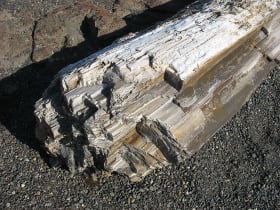
Ginkgo Petrified Forest State Park
31 miles away
Ginkgo Petrified Forest State Park near Vantage preserves 15-million-year-old petrified logs of the ginkgo tree - a species now native only to China - embedded in basalt flows above the Columbia River...
Wild Horse Monument
32 miles away
The monument is reached from I-90 exit 139 just east of the Vantage bridge; follow the pavement a short way to the parking lot.

Mount Rainier National Park
58 miles away
An active glaciated volcano ringed by wildflower meadows, the tallest peak in the Cascade Range.