

St. Andrews State Park
4910 State Park Cir
Panama City Beach, FL
A wild point of white dunes and emerald water, with a calm jetty lagoon that fills with fish for snorkelers.
St. Andrews State Park sits on a peninsula at the far end of Panama City Beach, protecting a wild stretch of the Emerald Coast, sugar-white dunes, clear emerald water, pine woods, and marshy inlets, right beside one of Florida's busiest beach towns. Rock jetties at the pass shelter a calm, shallow lagoon that fills with fish, making it one of the best family swimming and snorkeling spots on the coast.
Beyond the beaches, the park holds a surprising variety of habitats and a bit of history, from its dunes and forests to its lasting role as a green retreat on a heavily developed coast. Just offshore lies Shell Island, an undeveloped barrier island that adds an even wilder dimension to a visit.
What Travelers Love
- Sugar-white quartz sand and clear emerald Gulf water
- The calm, shallow jetty lagoon, ideal for family swimming and snorkeling
- Fish, dolphins, and shorebirds along the rock jetties
- Rolling dunes, pine woods, and a genuinely wild stretch of coast
Worth Knowing
- The jetty lagoon is calm and shallow, making it a favorite for families and beginning snorkelers
- The park can reach capacity on busy summer days, so arrive early
- The dunes and their plants are fragile and protected, so use the boardwalks and stay off the dune grass
- A passenger ferry sometimes runs to nearby Shell Island, a quieter undeveloped barrier island, so check current service
Learn about St. Andrews State Park
A wild point on a busy coast
St. Andrews protects a peninsula where the Gulf of Mexico meets the pass into St. Andrew Bay, a place of dunes, beaches, pine forest, and salt marsh. Once used for coastal defense and later set aside as a park, it preserves a slice of the natural Panhandle coast right at the edge of the built-up resort strip of Panama City Beach.
The rock jetties built at the pass created a sheltered lagoon of calm, shallow water on the Gulf side, and this quiet cove has become the park's signature feature. Protected from the open surf, it is gentle enough for small children and clear enough for snorkeling, a rare combination that makes the park a beloved family destination.
Sugar-white sand and rolling dunes
The beaches here share the famous sand of the Emerald Coast: fine quartz crystals, brilliant white and soft underfoot, washed down over ages from the distant Appalachian Mountains and settled along this shore. Against that white sand, the clear, shallow Gulf water glows the emerald green that gives the coast its name.
Behind the beaches rise rolling dunes anchored by sea oats and other dune plants, a fragile landscape that shelters the coast from storms. Boardwalks lead through the dunes to protect the plants that hold the sand in place, and beyond them lie pine flatwoods and marshy inlets, so a short walk can carry you through several distinct Florida habitats.
The jetty lagoon and its wildlife
The calm jetty lagoon is the heart of the park for many visitors. Its clear, shallow water and rock jetties draw a surprising variety of fish, so snorkelers can drift over the rocks and watch them without ever leaving sight of the beach, an easy and rewarding introduction to Gulf marine life.
The jetties and beaches teem with life beyond the lagoon. Shorebirds work the wet sand, brown pelicans plunge for fish, and dolphins are a common sight arcing through the pass. In the warmer months sea turtles nest on the quiet stretches of beach, and the marshes and pine woods shelter their own community of birds, reptiles, and small mammals.
Season by season
Summer is peak season, warm and lively, with the warm Gulf water perfect for swimming and the jetty lagoon full of families, the busiest time when the park can reach capacity on the finest days. Spring brings mild, pleasant weather and thinner crowds, a lovely time to enjoy the beaches and dunes before the summer rush.
Fall stays warm well into the season, with calm, uncrowded beaches, though it falls within hurricane season, so watch the forecast. Winter is quiet and cool, too cool for most swimmers but ideal for beach walks, birdwatching, and having the wild dunes and shore nearly to yourself.
Closest Boutels
The closest Boutel™ stays, so you can turn this stop into an overnight. Each is a place we chose through independent editorial review, never a paid placement.
Details
Panama City Beach, FL
Frequently asked questions
What is St. Andrews State Park?
St. Andrews State Park, in Panama City Beach on Florida's Panhandle, is a beautiful coastal park famous for its stunning white-sand beaches, clear emerald Gulf waters, and abundant nature. The park offers gorgeous beaches for swimming and sunbathing, a calm lagoon and jetties ideal for snorkeling and spotting fish, sea turtles, and marine life, along with dunes, nature trails, fishing piers, camping, and wildlife. A jewel of the Emerald Coast, it combines some of the region's most beautiful beaches with excellent snorkeling and nature. With its white sands, emerald waters, and snorkeling, St. Andrews State Park offers a spectacular destination in Florida.
What can you do at St. Andrews State Park?
You can swim and sunbathe on the beautiful white-sand beaches, snorkel around the jetties and in the calm lagoon to see fish and marine life, fish from the piers and jetties, hike the nature trails through dunes and forest, watch for wildlife including birds and alligators in the freshwater areas, camp, and enjoy the emerald Gulf waters. The stunning beaches, the snorkeling, and the nature are highlights, offering some of the Emerald Coast's finest scenery. With its beaches, snorkeling, trails, and camping, St. Andrews State Park offers a rewarding experience in Panama City Beach, Florida.
What safety tips apply at St. Andrews State Park?
When swimming or snorkeling in the Gulf, watch for currents and rip currents, heed lifeguard guidance and warning flags where present, and supervise children closely, using caution near the jetties where currents can be strong. The Florida sun is intense, so bring plenty of water, sunscreen, and shade. Be aware that alligators may inhabit the park's freshwater areas, so keep a distance there. Being cautious in the water and near jetties, protecting against the sun, and respecting wildlife ensure a safe visit to St. Andrews State Park in Florida.
When is the best time to visit St. Andrews State Park?
Spring through fall is popular for the beach and snorkeling, with summer warmest for swimming and the clear Gulf waters though hot, humid, and busy, while spring and fall offer pleasant weather with fewer crowds, and mild winters allow beach walks year-round. The clear water is best for snorkeling in calm conditions. For the best combination of warm water and beach weather, aim for late spring through early fall, and for quieter visits, spring or fall, at St. Andrews State Park in Panama City Beach, Florida.
What is near St. Andrews State Park?
St. Andrews State Park is in Panama City Beach on Florida's Panhandle, near the Emerald Coast beaches, within reach of St. Joseph Peninsula State Park, Seaside and the 30A beach towns, and the Panhandle Gulf coast. That makes St. Andrews State Park a spectacular stop to combine with St. Joseph Peninsula State Park, the 30A beach towns, and the other attractions of the Florida Panhandle on a visit to the state.
Outside the Park
Seaside and the 30A Beach Towns
28 miles away
People come for the beach and stumble into a piece of architectural history.
St. Joseph Peninsula State Park
30 miles away
A wild barrier peninsula at the tip of Cape San Blas on Florida's Forgotten Coast, with sugar-white sand once ranked the best beach in America and some of the tallest dunes east of the Mississippi.
Orman House Historic State Park
53 miles away
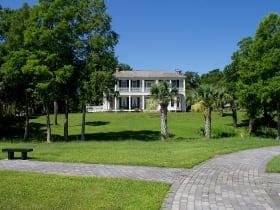
An 1838 cotton merchant's mansion above the Apalachicola River, its fine woodwork built in New York and shipped south in pieces, now a Florida state park.