

Soda Springs
Soda Springs, ID
Soda Springs, ID
A small Idaho town built on fizzing soda water, where an accidental geyser erupts on the hour and emigrants once drank straight from Beer Springs.
Soda Springs sits in the volcanic high country of southeast Idaho, a small town built on top of one of the strangest collections of water on the old Oregon Trail. All around it, cold groundwater picks up carbon dioxide from the rocks below and comes bubbling to the surface as natural soda water. Emigrants heading west called the place Beer Springs and treated it as an oasis, a spot to rest the oxen, wash clothes, and drink the fizzing water straight from the ground.
The town's headline attraction is a happy accident. In 1937, crews drilling for a hot water source for a swimming pool punched into a pressurized pocket of carbonated water more than three hundred feet down, and it blew. Rather than lose it, the town capped the well and put it on a timer, so what is billed as the world's only captive geyser now erupts on a schedule, a tall plume of cold, gas-charged water sent up on the hour.
What Travelers Love
- Watching the capped geyser erupt on its hourly schedule, a rare thing you can actually time
- Drinking the naturally carbonated water straight from the ground at Hooper Spring
- Standing in a genuine Oregon Trail oasis where wagon ruts still show in the sage
- The quiet, wide-open feel of Idaho's volcanic high country
Worth Knowing
- The geyser is cold, gas-driven water, not a hot thermal geyser, and it runs on a timer rather than on nature's clock
- Winters are long and cold at this elevation, so late spring through early fall are the easy months
- Some of the historic emigrant springs were flooded by Alexander Reservoir, so not every one survives
- This is a working ranch town, small and unhurried, so plan your own food and fuel stops
Learn about Soda Springs
The Oregon Trail oasis
Long before the wagons came, this corner of the Bear River country was homeland to the Shoshone and Bannock people, whose descendants today are enrolled in the Shoshone-Bannock Tribes at Fort Hall. The naturally carbonated springs were a known gathering and resting place, a spot of good water in high, dry country.
When the Oregon and California Trail traffic swelled in the 1840s and 1850s, emigrants treated the springs as one of the marvels of the whole overland route. They called the effervescent pools Beer Springs, marveled at water that fizzed like something from a bottle, and lingered to bathe, wash, and refill their casks. You can still walk to Hooper Spring, sit at a covered spring house, and taste the same tangy, gas-charged water the pioneers drank, and short traces of wagon ruts and trailside graves survive in the sage nearby.
The world's only captive geyser
The geyser was never supposed to exist. In 1937, a crew drilling for a hot water source hit a chamber of pressurized, carbon-dioxide-charged water a few hundred feet down, and the well erupted skyward on its own. Unable to cap the pressure permanently, the town turned the accident into an attraction: the well is sealed with a valve and set on a timer, so the geyser is released on a regular schedule through the day and shut off in between.
It is worth knowing what you are watching. This is not a hot thermal geyser like the ones at Yellowstone. The water is cold, and the force that drives it is dissolved carbon dioxide coming out of solution under pressure, the same gas that makes the springs fizz, blasting a plume of spray high into the air for a few minutes before the valve closes again.
How the fizzing water forms
Southeast Idaho sits over a restless piece of the earth, laced with old volcanic rock and deep faults. Far below the surface, carbon dioxide gas rises along those fractures and dissolves into cold groundwater held under pressure. When that charged water finally reaches the surface at a spring, or up a drilled well, the pressure drops and the gas rushes out of solution, so the water bubbles, hisses, and tastes of minerals and soda.
That is why the area holds so many different springs so close together, each with its own character, from gently bubbling soda pools to the tall jet of the captive geyser. It is one of the best places in the country to see, and taste, cold carbonated water coming straight out of the ground.
The high country around town
Soda Springs is ranch and rail country, a small town ringed by sagebrush hills, hayfields, and the wide Bear River valley. It sits at a breezy elevation where winters run long and snowy and summers stay pleasantly cool, so the sweet season for a visit is roughly late spring through early fall.
The surrounding Caribou County high country is quiet and uncrowded, good for a scenic drive, a wildlife-watching stop, or a base between the hot pools of Lava Hot Springs to the west and the turquoise water of Bear Lake to the south. It is the kind of overlooked Idaho stop that rewards travelers who slow down and read the strange, fizzing water for what it is.
Closest Boutels
The closest Boutel™ stays, so you can turn this stop into an overnight. Each is a place we chose through independent editorial review, never a paid placement.
Details
Soda Springs, ID
Frequently asked questions
What is Soda Springs?
Soda Springs, a town in southeastern Idaho, is famous for its naturally carbonated mineral springs and, most notably, for being home to what is billed as the world's only captive geyser. The geyser, discovered accidentally during drilling, erupts on a controlled schedule, shooting water high into the air, and is a beloved town attraction. The area's naturally carbonated, soda-like springs gave the town its name and drew travelers on the Oregon Trail. Along with the geyser, Soda Springs offers other mineral springs and pioneer history. With its captive geyser and carbonated springs, Soda Springs offers a fascinating destination in Idaho.
What is the captive geyser at Soda Springs?
The captive geyser at Soda Springs is a remarkable, human-controlled geyser, billed as the only one of its kind in the world, that was discovered by accident in the twentieth century when workers drilling in search of a hot-water source struck a chamber of pressurized carbon-dioxide-charged water, causing an eruption. Now the geyser is capped and set to erupt on a timed schedule, shooting a tall column of water into the air for visitors to watch. The scheduled eruptions make it easy to see. This unique captive geyser is the star attraction of Soda Springs, Idaho.
What can you do at Soda Springs?
You can watch the captive geyser erupt on its schedule, shooting water high into the air, visit the naturally carbonated mineral springs including Hooper Spring where you can taste the fizzy soda-like water, learn about the town's Oregon Trail and pioneer history, and explore the area's other springs and sites. The scheduled geyser eruptions and the bubbly mineral springs are the highlights, fun and unusual for all ages. With its captive geyser, carbonated springs, and pioneer heritage, Soda Springs offers an engaging and quirky experience in southeastern Idaho.
When is the best time to visit Soda Springs?
Late spring through fall offers the most pleasant weather to enjoy the geyser, springs, and outdoor sites in Soda Springs, with summer the peak visiting season, though the captive geyser erupts on its schedule year-round when operating, so checking the current eruption schedule is wise to time your visit to a show. Winter is cold. For the most comfortable weather and to catch a geyser eruption, aim for late spring through fall and check the current schedule at Soda Springs in southeastern Idaho.
What is near Soda Springs?
Soda Springs is a town in southeastern Idaho, home to Hooper Spring, within reach of Lava Hot Springs, Pocatello with the Idaho Museum of Natural History, Historic Chesterfield, and the Bear Lake region. That makes Soda Springs a fascinating stop to combine with Hooper Spring, Lava Hot Springs, and the other attractions of southeastern Idaho on a visit to the state.
Nearby
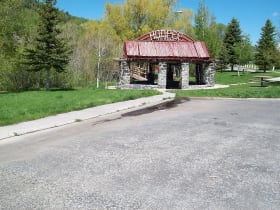
Hooper Spring
1.4 miles away
Hooper Spring sits in a small park a mile north of downtown Soda Springs, where natural CO2-charged groundwater bubbles up and is piped to a public drinking fountain.
World Famous Hot Pools
20 miles away
Natural hot mineral pools at the east end of Main Street in Lava Hot Springs, sitting on land set aside for public use since 1902 and run today by the Idaho Department of Parks and Recreation.
Portneuf River Float
21 miles away
A fast, rapid-filled tube float on the public Portneuf River, running right through the middle of Lava Hot Springs.
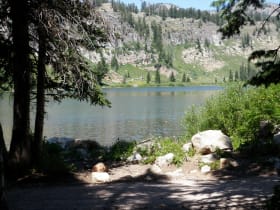
Logan Canyon Scenic Byway
48 miles away
Logan Canyon is a dramatic limestone canyon carved by the Logan River, one of the most scenic mountain drives in northern Utah.