
World Famous Hot Pools
430 E Main St
Lava Hot Springs, ID
Steaming, odorless mineral water bubbling up from the earth into a set of soaking pools at the foot of the mountains, open every day of the year.
The World Famous Hot Pools are the reason the town of Lava Hot Springs exists, and the reason people have come to this bend in the Portneuf River for a very long time. Hot mineral water rises here straight out of the ground, clear and, unusually, almost free of the rotten-egg sulfur smell that hangs over so many hot springs. It flows into a set of soaking pools stepped at different temperatures, warm enough to loosen every muscle after a long day on the road.
What makes this spot more than just another soak is who owns it. The pools are not a private resort; they sit on land the federal government granted to the State of Idaho back in 1902, set aside to be held for public use. They are run today by the Lava Hot Springs Foundation, an agency under the Idaho Department of Parks and Recreation, which means these are, in effect, public waters, kept up for anyone willing to pay a small day-use fee and climb in.
What Travelers Love
- Truly natural hot mineral water that rises clear and odor free, not the usual sulfur smell
- A set of pools stepped at different temperatures so you can find the soak that suits you
- Open 365 days a year, so a winter soak in the snow is as good as a summer one
- The pretty Sunken Gardens tucked right beside the pools, free to wander
Worth Knowing
- This is a public facility on state land, so there is a modest day-use admission and set hours; the town itself is free to walk
- The water runs hot, so ease in, hydrate, and take breaks, especially with children or in summer heat
- Bring flip-flops, a towel, and a change of clothes; the deck can be busy on holiday weekends
- The river tubing that Lava is also famous for runs only in the warm months, but the hot pools soak year round
Learn about World Famous Hot Pools
Waters people traveled to for centuries
Long before there was a town or a state, the Northern Shoshone and Bannock peoples came to these springs. They knew the water for its warmth and its supposed curative power, and by tradition they treated the springs as neutral ground, a battle-free place where different bands could rest and bathe in peace even when they were otherwise at odds. That idea of the springs as a shared, healing place has clung to the spot ever since.
When settlers and the railroad arrived, Lava Hot Springs grew up as a health resort, the kind of place people rode the train to for a soaking cure. The town leaned into it, and the name stuck. Today the spirit is more play than prescription, but the same water that drew travelers on horseback and by rail still rises at the same steady heat, day and night, winter and summer.
Why the water is different
The thing regulars mention first is the smell, or the lack of it. Many hot springs carry a strong sulfur odor; the water here bubbles up largely odorless, which makes a long soak far more pleasant. It comes out of the ground very hot and is cooled and managed through a series of pools, so there is a warm end and a hotter end, and you can move between them to find the temperature that feels right.
Because the source is geothermal and constant, the pools run every single day of the year. A soak on a snowy January evening, steam rising into the cold air while the town lights glow up the valley, is a completely different experience from a lazy summer afternoon, and plenty of visitors say the winter version is the best.
A town built to soak, tube, and stroll
Right beside the pools lie the Sunken Gardens, a small, free public garden of rock terraces and native plantings tucked into a natural hollow, a quiet green place to cool off and wander after a soak. It is one of those easy-to-miss extras that makes Lava feel cared for rather than commercial.
The other half of the town's fame is the Portneuf River, which runs right through the middle of Lava. In the warm months, roughly June through September, visitors rent inner tubes and ride the river's little rapids on a quick, splashy float, then walk back up and do it again. Between the year-round pools, the summer tubing, and a compact main street you can cover on foot, Lava packs a lot of easy fun into a very small town.
Visiting the Hot Pools
The pools sit at the east end of Main Street in Lava Hot Springs, easy to find and walkable from most of the town. Because it is a public facility, there is a set admission and posted hours, so it is worth a quick check before you go, especially around holidays when the deck fills up. Bring a towel, flip-flops for the walk between pools, and a change of clothes.
Plan on an unhurried hour or two in the water. Ease in rather than plunging, drink plenty, and step out to cool down now and then, since the water is genuinely hot. Do the pools in the evening if you can, when the light softens and the steam catches it, and you will understand why people have been coming to this exact spot on the river for hundreds of years.
Closest Boutels
The closest Boutel™ stays, so you can turn this stop into an overnight. Each is a place we chose through independent editorial review, never a paid placement.
Details
Lava Hot Springs, ID
Frequently asked questions
What are the World Famous Hot Pools?
The World Famous Hot Pools, in the resort town of Lava Hot Springs in southeastern Idaho, are the town's beloved developed geothermal soaking pools, where naturally hot, mineral-rich water flows into a series of soaking pools of varying temperatures. Fed by the natural hot springs, the pools are prized for their warm, comfortable, odorless mineral waters, drawing visitors year-round to relax and soak amid the scenic surroundings. A centerpiece of Lava Hot Springs and one of the region's most popular attractions, the hot pools offer a soothing, rejuvenating experience. With its naturally heated mineral soaking pools, the World Famous Hot Pools offer a delightful destination in Idaho.
What can you do at the World Famous Hot Pools?
You can soak and relax in the series of geothermal mineral pools at varying temperatures, letting the warm, odorless mineral waters soothe you, enjoy the scenic setting, and combine a soak with the town's other attractions like summer river tubing on the Portneuf River. Soaking in the naturally heated pools is the whole delightful experience, wonderful in any season and especially magical in the cooler months. It is relaxing for all ages. With its warm mineral soaking pools, the World Famous Hot Pools offer a soothing and rejuvenating experience in Lava Hot Springs, Idaho.
What should I know before soaking at the World Famous Hot Pools?
Because the pools are genuinely hot, limit your soaking time, stay hydrated, and take care, especially for children, older visitors, pregnant women, and anyone with heart conditions or other health concerns, who should be cautious or consult a doctor before soaking in hot mineral water. Move between the varying-temperature pools to find a comfortable one, and take care on wet surfaces. The pools charge admission and keep regular hours. Soaking sensibly, staying hydrated, and taking care with the heat ensure a safe and enjoyable visit to the World Famous Hot Pools in Idaho.
When is the best time to visit the World Famous Hot Pools?
The World Famous Hot Pools are a wonderful year-round destination, with soaking especially delightful in the cooler months of fall, winter, and spring, when relaxing in the steaming warm pools amid crisp air or snow is magical, while summer pairs a soak with river tubing and the town's lively season. Winter soaking is a favorite. Checking current hours before you go is wise. For soaking, any season rewards a visit, with the cooler months especially cozy, at the World Famous Hot Pools in Lava Hot Springs, Idaho.
What is near the World Famous Hot Pools?
The World Famous Hot Pools are in the resort town of Lava Hot Springs in southeastern Idaho, where you can also tube the Portneuf River in summer, within reach of Pocatello with the Idaho Museum of Natural History, the Soda Springs area with Hooper Spring, and the Bear Lake region. That makes the World Famous Hot Pools a delightful stop to combine with Portneuf River tubing, the Soda Springs area, and the other attractions of southeastern Idaho on a visit to the state.
Nearby
Portneuf River Float
0.1 miles away
A fast, rapid-filled tube float on the public Portneuf River, running right through the middle of Lava Hot Springs.

Lava Hot Springs
0.5 miles away
A tiny town built around naturally hot, odorless mineral pools that the Shoshone-Bannock have called medicine water for generations, with a lazy tubing river running right through the middle.
Historic Chesterfield
18 miles away
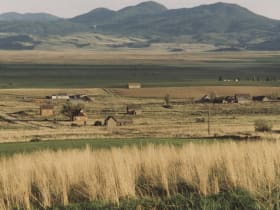
Historic Chesterfield is a preserved Mormon pioneer town standing almost whole on a high sagebrush plateau above the Portneuf River.