
Sag Harbor Whaling Museum
200 Main St, Sag Harbor, NY
Sag Harbor, NY
A grand mansion built on whale oil, its front door framed by the jawbones of a whale, telling the story of a village that once sailed the world's oceans.
The Sag Harbor Whaling and Historical Museum tells the story of one of America's great forgotten seaports. In the first half of the 1800s, Sag Harbor was a booming whaling town whose ships sailed to the far corners of the Pacific and Indian oceans in pursuit of the whale oil that lit the lamps of a young nation. The museum occupies a magnificent Greek Revival mansion from that era, its entrance famously framed by the arching jawbones of a whale.
Inside, the rooms are filled with the tools and treasures of the whaling trade: harpoons and lances, delicate scrimshaw carved by sailors on long voyages, ship models, logbooks, and curiosities brought home from the ends of the earth. Together they conjure a time when this quiet village bustled with sailors, coopers, and merchants, and its harbor was one of the busiest in New York State.
What Travelers Love
- The whale-jawbone entrance to the grand Greek Revival mansion
- Harpoons, scrimshaw, and ship models from the golden age of whaling
- The story of how a small village grew into a world seaport
- Pairing the museum with a stroll through historic Sag Harbor and its wharf
Worth Knowing
- The museum is seasonal, generally open in the warmer months, so check ahead
- Sag Harbor's streets and parking fill up in summer, so arrive early on busy days
- The historic house has stairs and period layout, so mobility access is limited in places
- It pairs well with the nearby Custom House and a walk to the waterfront
Learn about Sag Harbor Whaling Museum
A village that sailed the world
In its heyday, roughly the 1830s and 1840s, Sag Harbor was among the most important whaling ports in the world, rivaling and at times surpassing better-remembered New England towns. Dozens of whaleships worked out of its harbor, sailing on voyages that could last years, rounding Cape Horn to hunt whales across the Pacific. The oil they brought back lit lamps and lubricated the machines of the early Industrial Revolution, and the wealth it generated built the fine houses that still line the village streets.
The crews aboard those ships came from around the globe, a mix of local men, immigrants, free Black sailors, Pacific Islanders, and members of Long Island's own Native communities. The Shinnecock and Montaukett peoples of the East End were skilled whalers, and their knowledge of the sea and the hunt was woven into the industry from its earliest days. The Shinnecock remain a federally recognized nation on the South Fork, and this maritime history is part of their story as well.
The mansion and the jawbone door
The museum's home is itself a monument to the whaling boom. It is a grand Greek Revival mansion, built in 1845 for a wealthy village figure, with tall columns and rich detailing that announced the fortunes flowing through the port. Its most memorable feature is the entrance: the great arching jawbones of a whale frame the front door, a startling and unforgettable welcome that tells you at once what this house is about.
Inside, the period rooms hold the museum's collections beneath their fine plasterwork and moldings. The building offers a double lesson, in the wealth that whaling created and in the taste and ambition of the merchants who spent it. Walking its rooms, you feel both the grandeur of the age and the strangeness of a domestic mansion given over to the tools of a bloody and dangerous trade.
Scrimshaw, harpoons, and the end of an era
The collections bring the whaling voyage to life. There are harpoons, lances, and cutting tools; the great try-pots in which blubber was boiled down to oil; logbooks recording months at sea; and, most beautiful of all, scrimshaw, the intricate designs that sailors carved and inked into whale teeth and bone during the long, idle stretches of a voyage. Curiosities gathered in distant ports round out the story of a village whose reach was global.
The boom did not last. The discovery of petroleum in the 1850s offered a cheaper light than whale oil, the whale populations themselves were dwindling, and a great fire and the pull of the California Gold Rush drew people away. Sag Harbor's whaling era faded within a generation, and the village turned to other trades. What remains is the extraordinary architectural and cultural legacy that the museum preserves.
Season by season
Spring is a fresh, uncrowded time in Sag Harbor, with the village waking up and the museum reopening for the year. Summer is the busy season on the East End, when Main Street bustles, the harbor fills with boats, and the museum makes a cool, absorbing break from the beach.
Autumn is many people's favorite, with soft light, thinning crowds, and the surrounding farms and vineyards at harvest, a lovely time to wander the historic streets. Winter is quiet, and the museum generally closes for the coldest months, so a warm-weather visit is best, though the village itself has a snug off-season charm.
Closest Boutels
The closest Boutel™ stays, so you can turn this stop into an overnight. Each is a place we chose through independent editorial review, never a paid placement.
Details
Sag Harbor, NY
Frequently asked questions
What is the Sag Harbor Whaling Museum?
It is a museum in the historic East End village of Sag Harbor, once a bustling nineteenth-century whaling port, housed in a grand Greek Revival mansion. It tells the story of the town's whaling heyday and maritime heritage through artifacts and exhibits, offering a fascinating window into an era when Sag Harbor's ships roamed the world's oceans. Its famous entrance, framed by an actual whale's jawbone, sets the tone before you even step inside.
What can you see at the Sag Harbor Whaling Museum?
Exhibits feature scrimshaw, harpoons and whaling tools, detailed ship models, and artifacts and stories from the village's seafaring past, all displayed within a beautiful historic mansion that is a piece of history in itself. It is a compact, engaging museum, easily seen in about an hour, that vividly conveys both the danger and the wealth of the old whaling trade and its impact on the town.
When is the best time to visit the Sag Harbor Whaling Museum?
The museum is seasonal, generally open from spring through fall, so it is worth checking current hours before you go, especially early or late in the season. Late spring through early fall is also the loveliest time to enjoy Sag Harbor itself, making it easy to pair a museum visit with exploring the village. Summer is busiest across the East End.
What else is there to do in Sag Harbor?
The museum sits in the heart of walkable Sag Harbor, a charming village of historic homes, boutique shops, restaurants, and a picturesque waterfront and marina. You can easily combine the museum with a stroll through town, a meal, and time along the water. As one of the more relaxed and characterful of the East End villages, Sag Harbor rewards an unhurried afternoon of wandering.
Who will enjoy the Sag Harbor Whaling Museum?
History lovers, families, and anyone curious about maritime heritage will find it engaging, as it brings a vivid and lesser-known chapter of American history to life. The dramatic artifacts and the striking mansion appeal to a range of ages, and its modest size makes it an easy, enriching stop that adds real depth and context to a day spent enjoying the seaside village of Sag Harbor.
Nearby
Bridgehampton Ocean Beaches
6.0 miles away
Wide, clean Atlantic surf beaches on Long Island's South Fork, where the dunes give way straight to working potato and sod fields.
East Hampton Main Beach
6.7 miles away
East Hampton Main Beach is a wide, dune-backed ocean beach at the foot of Ocean Avenue in East Hampton Village, often ranked among the best beaches in America.
Greenport Antique Carousel
7.8 miles away
The Greenport carousel is a small, sweet stop that anchors a walkable harbor village on the North Fork.
Orient Beach State Park
9.8 miles away
A National Natural Landmark at the very tip of Long Island's North Fork, with a rare maritime forest of red cedar and even wild prickly-pear cactus.
Coopers Beach
9.9 miles away
Coopers Beach is the wide white-sand Atlantic beach in Southampton that Dr. Beach named the number one beach in America in 2025, the first northern beach ever to top the list.
Ponquogue Beach
15 miles away
Ponquogue Beach is one of the friendliest ocean beaches in the Hamptons, a wide stretch of Atlantic sand on Dune Road in Hampton Bays run by the town for everyone.
Kirk Park Beach
17 miles away
Montauk's walk-to public Atlantic beach, a wide, easygoing sweep of soft sand at the western edge of the village.
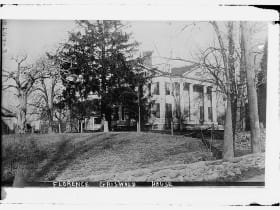
Florence Griswold Museum
20 miles away
Art travelers know it, but many people passing Old Lyme miss that American Impressionism had its home here.