Reflection Lakes
Stevens Canyon Road, Mount Rainier National Park
Ashford, WA
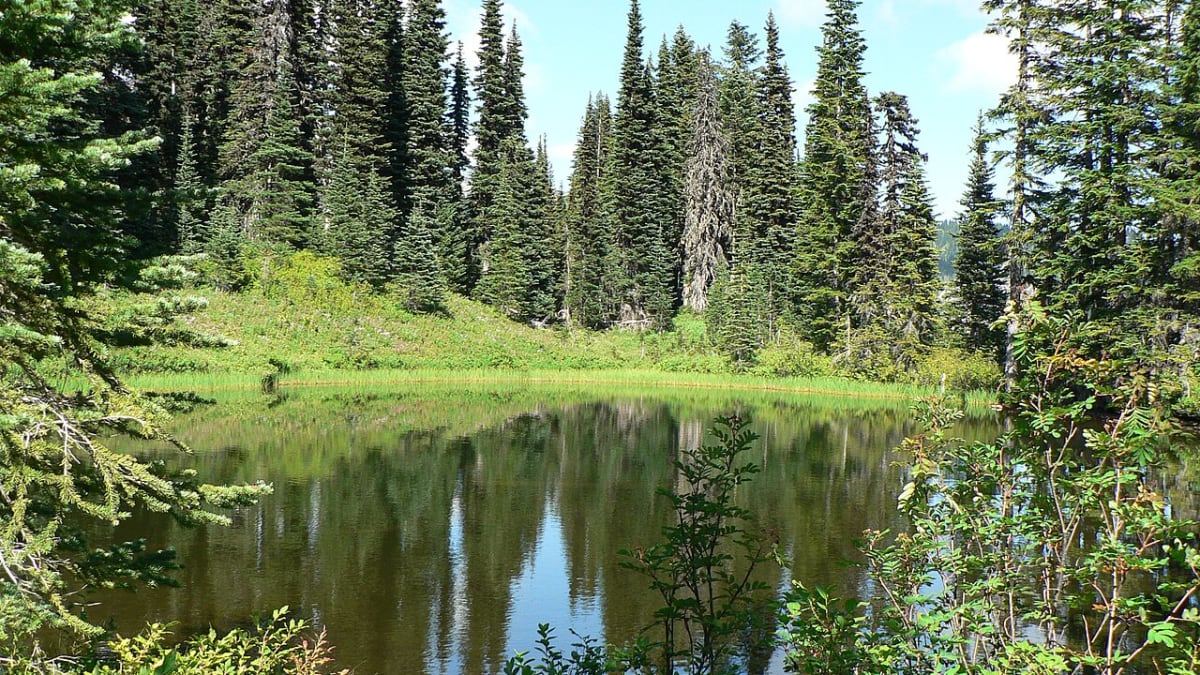
A pair of still subalpine lakes that hold a flawless mirror image of Mount Rainier on a calm morning.
Reflection Lakes are exactly what the name promises: a pair of small subalpine lakes that, on a still morning, hold a flawless mirror image of Mount Rainier rising above them. The view is one of the most iconic in the park, and because the largest lake sits right beside Stevens Canyon Road, it is a reflection almost anyone can reach.
The lakes formed in a basin scooped and dammed by old lava flows and glaciers, and in summer their shores fill with wildflowers. Ringed by meadow and forest with the great mountain looming behind, Reflection Lakes distill everything people love about Mount Rainier into a single, easy stop.
What Travelers Love
- The mirror reflection of Mount Rainier in the calm water, a classic Pacific Northwest photo
- How easy it is, with the largest lake right at the edge of the road
- Wildflower meadows and huckleberries ringing the lakes in summer
- The quiet of an early morning here, before the breeze ripples the surface
Worth Knowing
- The reflection needs still air, so early morning on a calm day is by far the best time
- Parking is limited and fills fast on summer weekends, so come early
- The lakes sit inside Mount Rainier National Park, so an entrance pass is needed
- Stevens Canyon Road is a seasonal mountain road, closed by snow much of the year
Learn about Reflection Lakes
Catching the reflection
The magic here depends on calm water, so the mirror is at its best in the early morning before the wind picks up and ripples the surface. Photographers arrive at first light for the moment when the mountain, the sky, and the meadow are doubled in the glassy lake.
By midday a breeze usually breaks the reflection, but the setting is beautiful at any hour, and afternoon light warms the mountain's face. If the water is stirred when you arrive, it is worth simply waiting a while for a lull.
Walking the shore
A gentle trail traces the lakeshore, and longer routes climb from here into the high meadows of the Tatoosh Range and toward Paradise, so the lakes make a natural trailhead as well as a photo stop. In late summer the surrounding slopes turn purple with ripe huckleberries.
The setting is fragile subalpine country, slow to recover from damage, so walking on the trail and durable surfaces keeps the meadows healthy. Even a short stroll rewards you with new angles on the mountain and the water.
Closest Boutels
The closest Boutel™ stays, so you can turn this stop into an overnight. Each is a place we chose through independent editorial review, never a paid placement.
Details
Ashford, WA
Frequently asked questions
What are Reflection Lakes at Mount Rainier?
Reflection Lakes are a pair of small subalpine lakes along Stevens Canyon Road in Mount Rainier National Park, just southeast of Paradise at about 4,860 feet. They are famous for holding a mirror-perfect reflection of Mount Rainier on a calm morning, which makes them one of the most photographed spots in the park. Because the largest lake sits right at the edge of the road, the classic reflection view is easy for almost anyone to reach, and the lakes are ringed by wildflower meadows in summer, making them a beloved and accessible highlight of a visit to Mount Rainier.
When is the best time to see the reflection?
The mirror reflection at Reflection Lakes is at its best in the early morning on a calm day, before the wind comes up and ripples the water. That is when photographers gather to catch the mountain, the sky, and the meadows doubled in the glassy surface. By midday a breeze usually breaks the reflection, though the setting is lovely at any time and the afternoon light warms the mountain. Summer, once Stevens Canyon Road is open and clear of snow, is the most reliable season, and a still, clear morning is the ideal window for the classic Reflection Lakes view.
Can you walk around Reflection Lakes?
Yes. A gentle trail follows the shore of Reflection Lakes, and longer routes climb from here up into the high meadows of the Tatoosh Range and toward Paradise, so the lakes serve as both an easy photo stop and a trailhead for bigger hikes. In late summer the surrounding slopes are thick with ripe huckleberries. The area is fragile subalpine terrain that recovers slowly from damage, so it is important to stay on the trail and durable surfaces. Whether you simply pull over for the view or set off on a longer walk, Reflection Lakes reward a stop.
How do you get to Reflection Lakes?
Reflection Lakes are on Stevens Canyon Road in the southern part of Mount Rainier National Park, a short drive southeast of Paradise. Most visitors reach them by entering through the Nisqually Entrance near Ashford, driving up past Longmire and Narada Falls toward Paradise, then continuing onto Stevens Canyon Road. The lakes can also be reached from the east via the Stevens Canyon Entrance near Ohanapecosh. Stevens Canyon Road is a seasonal high-country road that is closed by snow for much of the year, so plan a visit for summer or early fall and check the current road status before you go.
Are Reflection Lakes open in winter?
The road to Reflection Lakes is closed in winter. Stevens Canyon Road, which runs past the lakes, is a seasonal high-elevation route that is buried in deep snow for much of the year and typically opens only in summer once plowing is complete. In the snowy months the lakes are not accessible by car, though experienced backcountry skiers and snowshoers sometimes reach the area under winter conditions. For the classic mirror view of Mount Rainier, plan your visit for summer or early fall, and always check the current road status before heading up, since opening dates vary from year to year.
Nearby

Narada Falls
0.8 miles away
Narada Falls is a powerful 168-foot waterfall on the Paradise River, one of the most popular stops on the road to Paradise.
Paradise
1.1 miles away
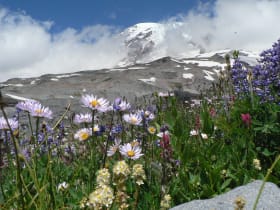
Paradise is the beloved heart of Mount Rainier, a high subalpine basin famous for summer wildflower meadows that spread right up to the glaciers.
Christine Falls
2.5 miles away
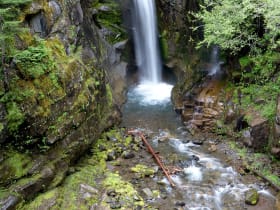
Christine Falls is a graceful 69-foot waterfall on Van Trump Creek, most famous for the view from below, where the lower tier is perfectly framed beneath an elegant 1928 stone highway bridge.

Longmire Historic District
4.2 miles away
Longmire is the historic heart of Mount Rainier National Park, where James Longmire opened a mineral springs resort in 1883.
Grove of the Patriarchs
8.4 miles away
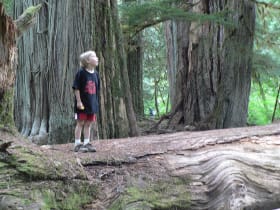
The Grove of the Patriarchs is a stand of ancient old-growth trees on an island in the Ohanapecosh River, some of them western redcedars and Douglas firs more than a thousand years old.

Sunrise
11 miles away
Sunrise is the highest point you can reach by car in Mount Rainier National Park, at about 6,400 feet, with a face-on view of the mountain and the vast Emmons Glacier, the largest glacier in the lower...