
Plaza Blanca
Co Rd 155, Abiquiu, NM
Abiquiu, NM
A hidden canyon of pale, wind-carved rock spires near Abiquiu, the ghostly White Place that Georgia O'Keeffe painted again and again.
Plaza Blanca, Spanish for the white place, is one of northern New Mexico's quiet marvels, a hidden canyon filled with pale, wind-and-water-carved rock spires, cliffs, and hoodoos that glow almost ghostly white against the sky. Tucked away on a dirt road near Abiquiu, it sees a fraction of the visitors drawn to the region's more famous sights, which is part of its magic.
The place is bound up with the artist Georgia O'Keeffe, who lived nearby and painted the eerie forms of the White Place again and again, drawn to its strange beauty. To walk here is to step into the landscape that shaped some of her most memorable work, a maze of soft, sculpted stone that feels a world apart from the red-rock country just over the ridge.
What Travelers Love
- A dreamlike canyon of white and cream rock spires, hoodoos, and cliffs
- The direct connection to Georgia O'Keeffe, who painted this place repeatedly
- The quiet and solitude of a spot far less visited than nearby landmarks
- Walking among the eroded formations with the Chama valley country all around
Worth Knowing
- Plaza Blanca is reached by a dirt road that can be rough or muddy after rain, so check conditions and drive carefully
- The land is privately held but access has been generously allowed; treat it with care and leave no trace so it stays open
- There is no shade, water, or services, so bring what you need and watch the weather in the exposed canyon
- It pairs naturally with a visit to Abiquiu and the wider O'Keeffe country nearby
Learn about Plaza Blanca
The White Place and Georgia O'Keeffe
Plaza Blanca became known far beyond the region through Georgia O'Keeffe, who settled in the Abiquiu area and found endless inspiration in the northern New Mexico landscape. She returned to the White Place repeatedly with her canvases, capturing its pale cliffs and eroded forms in a series of paintings that helped define her vision of the Southwest.
Seeing the canyon in person, you understand what drew her: the abstract shapes of the eroded rock, the way the white stone catches and shifts the light, the sense of a landscape simplified to form and shadow. Standing among the spires, it is easy to feel you are inside one of her paintings, looking at the very cliffs she studied.
How the pale rock was carved
The ghostly color and form of Plaza Blanca come from soft, pale sedimentary rock, deposited long ago and then sculpted by the slow, patient work of wind and water. Rain and runoff have cut gullies and washes into the soft stone, while wind has smoothed and hollowed it, leaving spires, fins, and hoodoos.
Because the rock is soft, it erodes readily, which is why the canyon holds such an abundance of delicate, sculpted shapes, and why they keep changing over time. The same softness means the formations are fragile, easily damaged by careless feet or hands, so walking gently and staying on established paths helps preserve the place.
Walking the canyon
Exploring Plaza Blanca is informal, a matter of wandering into the canyon and among the formations rather than following a marked trail. You can walk up the wash, thread between the spires, and find quiet corners where the white rock rises on all sides, with the wider Chama country visible beyond the canyon mouth.
There are no facilities here, no shade or water or signage, so it rewards a self-sufficient, low-impact visit. The absence of development is exactly what keeps the place feeling wild and personal, a hidden canyon you seem to have almost to yourself, especially outside the busiest times.
Access, respect, and the seasons
Plaza Blanca sits on private land, and access has historically been allowed through the generosity of the owners. That access depends on visitors treating the place well, leaving no trace, taking no rock, and respecting any posted rules, so the canyon stays open to those who come after. The dirt road in can be rough and turns muddy after rain, so conditions are worth checking.
Spring and fall bring the most comfortable weather for wandering the exposed canyon, while summer is hot and open with the chance of afternoon storms, and winter can be cold and the road slick. The low, warm light of early morning or late afternoon is when the white rock is at its most beautiful, and when the connection to O'Keeffe's paintings feels strongest.
Closest Boutels
The closest Boutel™ stays, so you can turn this stop into an overnight. Each is a place we chose through independent editorial review, never a paid placement.
Pinon Court by La Fonda
Honorable Mention201 Montezuma Avenue, Santa Fe, NM
44 miles away|Learn More ›
Details
Abiquiu, NM
Frequently asked questions
What is Plaza Blanca?
Plaza Blanca, meaning the White Place, is a striking and beautiful area of pale white and cream-colored rock formations, cliffs, and hoodoos near Abiquiu in northern New Mexico. Carved by erosion into dramatic spires, walls, and badlands, this otherworldly landscape stands in vivid contrast to the region's more famous red and orange cliffs. Made famous in part by the artist Georgia O'Keeffe, who painted the White Place, Plaza Blanca is a scenic and somewhat hidden destination offering short hikes among the surreal formations and superb opportunities for photography. Its unique, ghostly beauty makes Plaza Blanca a special and memorable spot in the high desert of northern New Mexico.
What can you do at Plaza Blanca?
You can hike short trails and wander among the striking white rock formations, spires, and badlands, marvel at and photograph the surreal, ghostly landscape, and appreciate the scenery that inspired Georgia O'Keeffe. The relatively easy walking makes it accessible for exploring the formations up close. It is a wonderful spot for photography, especially in the beautiful light of morning or evening. Because it is a quieter, less-visited site, it offers a peaceful experience. With its unique white rock scenery and connection to O'Keeffe, Plaza Blanca offers a beautiful and memorable outing near Abiquiu in northern New Mexico.
How do you access Plaza Blanca?
Plaza Blanca is located on land owned by the Dar al Islam community near Abiquiu, and while it has been open to respectful visitors, access is a privilege granted by the landowners, so visitors should follow any posted rules, be respectful of the private property and any religious community there, and check current access information before you go, as it can change. Reaching it involves a drive on a dirt road. Being respectful of the land and its owners, following the rules, and confirming current access ensures visitors can continue to enjoy this beautiful site while honoring those who steward it.
When is the best time to visit Plaza Blanca?
Spring through fall offers the most pleasant weather for exploring the formations, with spring and fall especially comfortable, while summer can be hot in the high desert, so early morning or evening visits with water and sun protection are best then, and winter is cold. The white rocks are especially beautiful and photogenic in the soft light of morning and evening, and can glow dramatically at sunset. For the best combination of comfortable weather and beautiful light for photography, aim for the milder months and the golden hours at Plaza Blanca.
What is near Plaza Blanca?
Plaza Blanca is near Abiquiu in northern New Mexico, close to Ghost Ranch with its colorful cliffs and Georgia O'Keeffe heritage, Abiquiu Lake, and within reach of Santa Fe to the south, the town of Taos, and the scenic high-desert landscapes of the region. That makes Plaza Blanca a beautiful and hidden stop to combine with Abiquiu, Ghost Ranch, Santa Fe, and the scenic attractions of northern New Mexico on a visit to the state.
Nearby
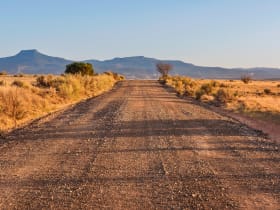
Abiquiu and Ghost Ranch
9.9 miles away
Abiquiu gets far fewer visitors than the O'Keeffe name recognition would suggest.

El Santuario de Chimayo
27 miles away
Chimayo is genuinely unlike any church experience you can have in the United States.

Valles Caldera National Preserve
28 miles away
Valles Caldera is a giant grassy bowl left behind by an ancient volcano, high in the Jemez Mountains near Jemez Springs, New Mexico.