

Pikes Peak
14115 Pikes Peak Hwy, Cascade, CO
Cascade, CO
The great pink-granite mountain that so moved a visitor at its summit that she wrote the words to America the Beautiful.
Pikes Peak is one of the most famous mountains in America, a towering fourteen-thousand-foot summit that rises alone above the Front Range and the city of Colorado Springs. Visible for a hundred miles across the plains, it was a beacon for travelers heading west, and it remains a symbol of Colorado, so recognizable that it has its own place in the nation's story.
What sets Pikes Peak apart is how accessible its great height is. A paved highway and a historic cog railway both climb to the summit, and a challenging trail lets hikers earn the top on foot, so almost anyone can stand at fourteen thousand feet and take in a view that once inspired the words to America the Beautiful.
What Travelers Love
- Reaching a fourteen-thousand-foot summit by highway, railway, or trail
- Sweeping views over the plains, the city, and range on range of peaks
- The America the Beautiful story tied to the summit
- The classic cog railway and scenic highway to the top
Worth Knowing
- The summit air is thin, so ascend slowly and watch for altitude sickness
- Weather at the top can be cold and stormy even in summer, so dress in layers
- Afternoon thunderstorms build fast, so aim to summit early in the day
- The highway is steep and winding, so use low gears and take your time
Learn about Pikes Peak
America the Beautiful and the mountain's name
In 1893 a young English professor named Katharine Lee Bates rode to the summit of Pikes Peak, and the sweeping view of the plains, mountains, and sky moved her so deeply that she jotted down the lines of a poem. Those lines became America the Beautiful, one of the nation's most beloved songs, and the words about spacious skies and purple mountain majesties were born of this very summit.
The mountain carries the name of Zebulon Pike, an army explorer who sighted it in 1806 and tried but failed to climb it in deep snow. To the Ute people, whose homeland this region is, and to other Native peoples, the mountain long held its own names and meaning, and it stood as a landmark on the land long before any explorer arrived.
Gold rush and the road west
In 1858 gold was discovered in the Colorado region, and the rush that followed took Pikes Peak as its rallying cry. Fortune seekers painted Pikes Peak or Bust on their wagons and streamed toward the mountains, even though most of the gold was found well north of the peak itself. The mountain became the emblem of the whole boom that opened Colorado to settlement.
That surge of people gave rise to towns at the mountain's foot, including Colorado Springs and the mining and mineral-springs town of Manitou Springs. The peak has drawn adventurers ever since, from the builders of the cog railway in the 1890s to the racers who tackle the famous hill climb up the highway, a storied automobile and motorcycle race to the summit.
Three ways to the top
There are three classic ways to reach the summit of Pikes Peak. The Pikes Peak Highway winds up the mountain in a long series of switchbacks, letting drivers ascend at their own pace with pullouts for the views. The historic cog railway climbs the mountain on a toothed track, one of the highest such railways in the world, carrying passengers to the top through changing life zones.
For those who want to earn it, the Barr Trail climbs from Manitou Springs all the way to the summit, a long and demanding hike that gains enormous elevation and is a proud accomplishment for many Colorado hikers. However you reach it, the summit rewards you with a stunning panorama and, thanks to the modern summit visitor center, a warm place to catch your breath in the thin air.
Life zones, weather, and the seasons
Climbing Pikes Peak carries you through a stack of life zones, from ponderosa forest at the base up through spruce and fir, past the twisted, wind-stunted trees at timberline, and finally into the treeless alpine tundra of the summit, where tiny wildflowers cling to the rock in summer. Bighorn sheep, marmots, and pikas live on the high slopes, and the tundra is a fragile world all its own.
Summer is the main season, when the highway and railway run at full swing, but even then the summit can be cold, windy, and stormy, and afternoon thunderstorms make an early ascent wise. Fall brings crisp air and golden aspens on the lower flanks. Winter buries the peak in snow and cold, and while access is more limited, the snow-capped mountain glowing above the plains is an unforgettable sight.
Closest Boutels
The closest Boutel™ stays, so you can turn this stop into an overnight. Each is a place we chose through independent editorial review, never a paid placement.
Details
Cascade, CO
Frequently asked questions
What is Pikes Peak?
Pikes Peak is one of Colorado's most famous mountains, a towering fourteen-thousand-foot summit rising majestically west of Colorado Springs. Known as America's Mountain, it is one of the state's celebrated fourteeners and among the most visited peaks in the world, thanks to the highway and cog railway that carry visitors to its summit. The breathtaking views from the top, which famously inspired the song America the Beautiful, sweep across the plains and mountains. With its accessible summit, stunning scenery, and rich history, Pikes Peak offers an unforgettable high-altitude experience and a beloved symbol of Colorado's mountain grandeur.
How do you get to the top of Pikes Peak?
You can reach the summit of Pikes Peak in several ways: by driving the Pikes Peak Highway, a paved but steep and winding toll road to the top, by riding the historic Pikes Peak Cog Railway that climbs to the summit, or, for the very fit and prepared, by hiking the strenuous Barr Trail, a long and demanding trek. The highway and railway make the summit accessible to most visitors. Because the railway and highway are popular, checking current operations, reservations, and conditions before you go is wise for planning your trip to the top.
What should I know about altitude and weather on Pikes Peak?
At over fourteen thousand feet, the summit's thin air can cause altitude sickness with symptoms like headache, dizziness, and nausea, so ascend gradually if possible, stay hydrated, and descend if you feel unwell. The summit is dramatically colder than the base, often by many degrees, and weather can change fast, with snow possible even in summer and dangerous afternoon lightning, so bring warm layers and check conditions. Those with heart or breathing issues should take special care. Respecting the altitude and mountain weather, and dressing warmly, are essential for a safe visit to the summit.
When is the best time to visit Pikes Peak?
Summer and early fall are the most popular and accessible times, with the mildest weather at the summit and full operation of the highway and railway, though even summer can be cold and stormy up high. Fall offers beautiful color at lower elevations. Winter brings snow and potential closures or limited access to the summit, so checking current conditions is essential in the colder months. For the best weather and reliable access to the top, aim for summer or early fall, while always preparing for cold, changeable conditions at the high summit.
What is near Pikes Peak?
Pikes Peak rises west of Colorado Springs, near the town of Manitou Springs at its base with the cog railway, the stunning Garden of the Gods, the Cave of the Winds, and the Cheyenne Mountain Zoo, with Denver and the Front Range within reach to the north. That makes Pikes Peak an iconic centerpiece to combine with Garden of the Gods, Manitou Springs, the Cave of the Winds, and the many other attractions of the Colorado Springs area on a visit to Colorado.
Nearby
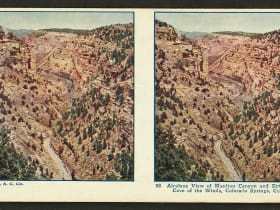
Cave of the Winds
7.1 miles away
Cave of the Winds in Manitou Springs has natural limestone cave tours that depart year-round, taking visitors 0.5 miles through decorated chambers with active stalactites and stalagmites.
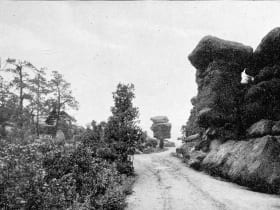
Garden of the Gods
8.9 miles away
This one is no secret, but the trick most visitors miss is how little you have to do for the best of it.
Red Rock Canyon Open Space
8.9 miles away
A quieter red-rock counterpart to the nearby Garden of the Gods, this nearly 1,500-acre city open space west of downtown Colorado Springs holds tilted sandstone hogbacks, old stone quarries, and a sma...

Cheyenne Mountain Zoo
11 miles away
Cheyenne Mountain Zoo sits at 6,714 feet on the slope of Cheyenne Mountain, making it the highest elevation zoo in the United States and one of a kind in the way the terrain is incorporated into the a...

Florissant Fossil Beds National Monument
14 miles away
This is a high mountain valley of golden meadows and pine forest west of Pikes Peak in Colorado, near the little town of Florissant, where petrified redwood stumps and ancient fossils rest in the grou...