Magic Sands Beach Park
77-6452 Alii Dr
Kailua-Kona, HI
A pocket of soft white sand on the black-lava Kona coast that famously washes away in big surf and then quietly comes back, weeks later.
The Kona side of the Big Island is famous for its sunshine and infamous for its shortage of sand. Most of this coast is raw black lava, so any true sandy beach becomes a local landmark. Magic Sands, officially La'aloa Beach Park, is one of the best-loved: a small crescent of soft white sand tucked into a bay right on Ali'i Drive, an easy few miles south of downtown Kailua-Kona.
What sets it apart is a genuine natural magic trick. Several times a year, powerful winter and storm surf reaches in and hauls the sand out to sea overnight, leaving nothing but bare, dark lava rock where the beach used to be. Then, over the following weeks, the ocean quietly carries the sand back and rebuilds the beach. Locals have watched it disappear and reappear for generations, which is exactly how it earned its nickname.
What Travelers Love
- A rare stretch of soft white sand on a coast that is mostly black lava rock
- The famous vanishing act, when high surf strips the sand overnight and later returns it
- Bodyboarding and watching local surfers ride the shore break on bigger days
- Lifeguards on duty, plus showers, restrooms, and a grassy picnic area right off the road
Worth Knowing
- In big surf the sand can literally be gone, leaving bare lava rock, so check conditions before you count on a sandy day
- The shore break is powerful and the drop-off is steep, so swim only when it is calm and heed the lifeguards and warning signs
- It is a small, popular beach with limited parking, so arriving earlier in the day is easiest
- There is little shade on the sand itself, so bring sun protection, water, and reef-safe sunscreen
Learn about Magic Sands Beach Park
Why the sand disappears
The beach sits in a small pocket bay, and the same waves that make it fun also make it restless. When large swells arrive, usually in the higher-surf months, the surf scours the loose white sand off the shore and pulls it into deeper water offshore, exposing the black lava bedrock underneath. It can happen in a single big night, and a beach you swam at one week can be all rock the next.
The trick is that the sand is not gone for good. As the swell settles down, gentler waves gradually push the sand back up onto the shore, and over a few weeks the beach rebuilds itself grain by grain. This back-and-forth is why the same cove carries so many names among locals, from Magic Sands to White Sands to Disappearing Sands, all describing the same shifting little beach.
A sacred bay with an ancient temple
The official name, La'aloa, means very sacred in Hawaiian, and it is not just a pretty label. On the south end of the bay stand the remains of an ancient Hawaiian temple, a heiau said to be centuries old, whose low stone platform can still be made out along Ali'i Drive. Long before it was a place to bodyboard, this shore mattered to the Hawaiians who lived and fished along this coast.
That history is a good reminder to treat the place with respect. The old stone site is fragile and culturally important, so it is meant to be looked at and honored, not climbed on or disturbed. Between the temple ruins, the tide pools at the edges of the bay, and the palms above the sand, the little beach carries far more depth than its size suggests.
Surf, swimming, and safety
On calm days Magic Sands is a friendly spot to swim, snorkel the edges, and soak up the Kona sun, and there is a grassy area with picnic tables above the beach for a lazy afternoon. When the surf is up, the same waves that steal the sand create a strong shore break that experienced local bodyboarders love to ride, sometimes right up onto the beach.
That shore break is also the main hazard. The waves break close to shore over a steep drop-off, and the pull can be strong, so this is a beach where the lifeguards, on duty daily, and the posted warning flags really matter. When it is big, admire the wave riders from the sand rather than joining them, and save the swimming for a calm day. Restrooms and outdoor showers make it easy to rinse off before you drive on.
Visiting Magic Sands
The beach is an easy drive south of downtown Kailua-Kona along Ali'i Drive, a scenic shoreline route worth the trip on its own. It is a public county beach park, free to enter, with a small parking lot that fills quickly on nice days, so arriving earlier in the morning is the surest way to get a spot and enjoy the sand before the crowd.
Bring water, sun protection, and reef-safe sunscreen, since shade on the sand is limited, and check the surf report before you set your heart on a beach day, because you might arrive to find the sand has done its vanishing act. Either way it is a lovely stop, a small, sacred, ever-changing cove on a coast where sandy beaches are rare and this one keeps rewriting itself.
Closest Boutels
The closest Boutel™ stays, so you can turn this stop into an overnight. Each is a place we chose through independent editorial review, never a paid placement.
Details
Kailua-Kona, HI
Frequently asked questions
What is Magic Sands Beach Park?
Magic Sands Beach Park, on the Kona coast of the Big Island of Hawaii, is a popular and lovely small beach known for its unusual habit of having its sand wash away and return with the seasons and surf, earning it the name Magic Sands. The charming beach, also known by other names, offers golden sand, clear water, and a lively local atmosphere, and its most distinctive feature is that the sand can disappear during high surf, exposing the rocks and lava beneath, only to return later, a natural phenomenon that gives the beach its magic. Its charm and unusual character make it a beloved Kona destination. A charming and unusual beach, it delights visitors. With its magic sands, the beach offers a compelling destination in Hawaii.
Why is it called Magic Sands Beach?
Magic Sands Beach is so called because its sand has a remarkable habit of washing away, especially during high winter surf, exposing the rocks and lava beneath the beach, and then returning later with the changing seasons and ocean conditions, a natural phenomenon that makes the sand seem to magically disappear and reappear. This unusual, seasonal behavior gives the beach its name and character. Its magical shifting sand is the appeal. Appreciating this makes a visit to Magic Sands Beach Park in Hawaii especially memorable.
Is Magic Sands Beach safe for swimming, and what should I know?
Magic Sands Beach can offer swimming and bodyboarding in calm conditions, but it is known for a powerful shore break and strong currents, especially in winter or when surf is up, and injuries have occurred, so swimming only in calm conditions, near lifeguards, heeding all warnings, being cautious of the shore break, and supervising children closely are essential. When the sand has washed away and rocks are exposed, extra caution is needed. Swimming only in calm conditions and respecting the shore break ensure a safer visit to Magic Sands Beach in Hawaii.
When is the best time to visit Magic Sands Beach Park?
The calmer summer months are generally the best time for swimming and enjoying the sandy beach, as the sand is more likely to be present and the surf gentler, while winter can bring high surf that washes the sand away and creates dangerous conditions. Because the sand and surf change seasonally, checking current conditions before you go is wise. For the sandiest beach and calmest water, aim for the summer months at Magic Sands Beach Park in Hawaii.
What is near Magic Sands Beach Park?
Magic Sands Beach Park is on the Kona coast of the Big Island of Hawaii, within reach of Kona town, the Captain Cook Monument and Kealakekua Bay, Puuhonua o Honaunau, and the other attractions of the Kona coast. That makes Magic Sands Beach Park a compelling stop to combine with the other attractions of the Kona coast on a visit to Hawaii.
Nearby
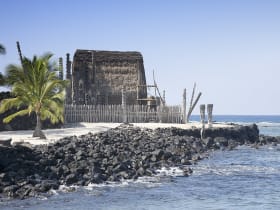
Pu'uhonua o Honaunau National Historical Park
16 miles away
An ancient Hawaiian place of refuge on the Kona coast, where a lawbreaker who reached the sacred ground was forgiven and set free.

Mauna Kea
36 miles away
Mauna Kea is a giant volcano on Hawaii's Big Island, so tall that its summit rises high above the clouds.
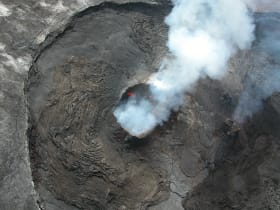
Hawaii Volcanoes National Park
48 miles away
Two of the world's most active volcanoes, Kilauea and Mauna Loa, still building the island of Hawaii.

Kilauea Caldera
48 miles away
Kilauea is one of the most active volcanoes on Earth, and its summit caldera, with the Halemaumau crater at its heart, is the centerpiece of Hawaii Volcanoes National Park.