
Jemez Mountains Hot Springs
18067 St Michaels Dr, Jemez Springs, NM
Jemez Springs, NM
Warm mineral water rises out of a red-rock canyon in the Jemez Mountains, where volcanic ground still simmers beneath a ribbon of cold river and pine.
The Jemez Mountains are one of the great hot-spring regions of the Southwest, a volcanic country where warm mineral water seeps to the surface all through the canyon of the Jemez River. Some of the springs feed developed soaking pools and a historic village bathhouse, while others bubble up wild in the forest, reached only on foot. The village of Jemez Springs takes its very name from them.
The heat has a deep source. The whole range is the wreckage of an enormous ancient volcano, and rainwater and snowmelt sink into the fractured rock, are warmed far below, and rise again carrying dissolved minerals. The result is a string of soaks set among red sandstone cliffs, ponderosa pine, and the cold, clear river, one of the most rewarding ways to feel the living geology of northern New Mexico.
What Travelers Love
- Soaking in warm mineral water with red cliffs and pine forest rising all around
- The mix of options, from the village bathhouse to backcountry pools reached by trail
- The cold, clear Jemez River running past the warm ground for a bracing contrast
- Autumn soaks with golden cottonwoods along the river and a chill in the air
Worth Knowing
- The developed pools and the village bathhouse have their own access rules; the wild springs on national forest land require a hike and leave-no-trace care
- Hot spring water can carry natural bacteria, so keep your head above water and do not submerge your face
- Never soak alone in the backcountry, tell someone your plans, and be cautious of high, cold river flows in spring
- This is a shared and fragile resource on land the Jemez people have long known; pack out everything and treat the pools and canyon with respect
Learn about Jemez Mountains Hot Springs
Why the ground runs warm
The Jemez Mountains sit atop the Valles Caldera, a vast bowl left when a colossal volcano erupted and collapsed roughly a million years ago. Though the volcano no longer erupts, heat still lingers in the rock far below the surface, and that lingering heat is what warms the springs.
Water works its way down through cracks in the volcanic stone, is heated deep underground, and then rises back toward the surface along faults in the canyon, picking up minerals as it goes. Where it emerges, it builds pale deposits, warms the streambed, and in places, as at nearby Soda Dam, has piled up strange formations of mineral rock over thousands of years.
The soaks, from bathhouse to backcountry
The soaking experience in the Jemez ranges widely. In the village itself, a long-standing bathhouse channels the mineral water into indoor tubs, a low-key and sheltered way to soak. Other developed pools nearby offer tended, terraced soaks with the canyon walls as a backdrop.
For those willing to walk, wild pools lie out in the national forest, reached by trails that climb through pine and along the river. These backcountry soaks are undeveloped and unattended, which is part of their appeal and their risk. They ask for care, sure footing, and a light footprint, and they reward the effort with warm water in a truly quiet place.
The canyon setting
What sets the Jemez soaks apart is the country around them. This is a canyon of banded red and cream sandstone cliffs, dark ponderosa forest on the mesas, and the Jemez River running cold and quick down the middle. Cottonwoods and willows crowd the water, and in autumn they turn the corridor gold.
The same canyon holds the ancestral Jemez village of Giusewa and the ruins of a Spanish mission church, protected at Jemez Historic Site just up the road. Soaking here means soaking in a landscape layered with deep human history, one the Jemez people, the Hemish, have known and cared for across centuries.
Season by season
Autumn may be the finest time to soak, when the cottonwoods glow gold, the air turns crisp, and the warm water feels most welcome against the chill. Winter soaks can be magical, with snow on the red rock and steam rising from the pools, though the roads and trails can turn icy and require caution.
Spring brings high, cold, fast river flows from snowmelt, a hazard to respect near the wild pools. Summer is warm and green, popular and busy, with the caution that afternoon thunderstorms can move in quickly over the mountains. Whatever the season, plan around water conditions and daylight, and never soak alone in the backcountry.
Closest Boutels
The closest Boutel™ stays, so you can turn this stop into an overnight. Each is a place we chose through independent editorial review, never a paid placement.
Pinon Court by La Fonda
Honorable Mention201 Montezuma Avenue, Santa Fe, NM
42 miles away|Learn More ›
Details
Jemez Springs, NM
Frequently asked questions
What are the Jemez Mountains hot springs?
The Jemez Mountains hot springs are a collection of natural geothermal hot springs scattered through the beautiful Jemez Mountains of northern New Mexico, near the village of Jemez Springs and along the scenic Jemez Mountain country. Fed by the volcanic activity of the region, including the nearby Valles Caldera, these springs range from developed bathhouses and pools in the village to natural, rustic hot springs tucked in the forest along creeks and hillsides, reached by hiking. Set amid stunning red-rock canyons, pine forests, and mountain scenery, the Jemez Mountains hot springs offer a soothing and scenic soaking experience, making the area a beloved destination for relaxation in northern New Mexico.
What are some of the Jemez Mountains hot springs?
The Jemez Mountains area offers a variety of hot springs, including developed options like a historic bathhouse and soaking pools in the village of Jemez Springs, and natural, rustic springs reached by hiking, such as popular forest hot springs where warm mineral water collects in rocky pools along trails and hillsides. Some natural springs require a moderate hike to reach and offer a more wild, back-to-nature soak, while the developed pools offer more amenities. Because conditions, access, and any fees vary by spring, checking current information before you go is wise. The variety lets visitors choose between developed comfort and natural, rustic soaking in the Jemez Mountains.
What should I know before visiting the Jemez Mountains hot springs?
For the natural springs reached by hiking, wear good footwear, carry water, and be prepared for a trail, sometimes with elevation gain, and note that some natural hot springs can become clothing-optional, so families may prefer developed pools or daytime visits. When soaking, be mindful of the hot water, stay hydrated, and avoid submerging your head, since natural springs can carry a small risk of waterborne organisms. Respect the environment by packing out trash. Checking current access, any permits or fees, and conditions before you go, and being prepared for the hike and the water, ensures a safe and enjoyable visit.
When is the best time to visit the Jemez Mountains hot springs?
The hot springs are enjoyable year-round, with the cooler months of fall through spring especially wonderful for soaking in the warm water amid crisp mountain air or snow, while summer is pleasant, particularly in the mornings and evenings, though the natural springs reached by hiking are easiest to access in the milder, snow-free months. Winter soaking is magical but requires care on snowy or icy trails to reach natural springs. For a cozy soak, the cooler seasons are ideal, while summer offers easier hiking access, so the best time depends on the springs and experience you want.
What is near the Jemez Mountains hot springs?
The Jemez Mountains hot springs are in northern New Mexico near the village of Jemez Springs, close to the Jemez Historic Site with its ancient pueblo and mission ruins, the Valles Caldera National Preserve, the beautiful red-rock canyons of the Jemez Mountains, and within reach of Bandelier National Monument and the city of Santa Fe. That makes the Jemez Mountains hot springs a relaxing stop to combine with the Jemez Historic Site, Valles Caldera, Bandelier, and the attractions of northern New Mexico on a visit to the state.
Nearby
Jemez Historic Site
0.2 miles away
Giusewa means place of the boiling waters, for the hot springs nearby, and the Jemez people lived in this red-walled canyon long before the mission tower went up.

Valles Caldera National Preserve
12 miles away
Valles Caldera is a giant grassy bowl left behind by an ancient volcano, high in the Jemez Mountains near Jemez Springs, New Mexico.
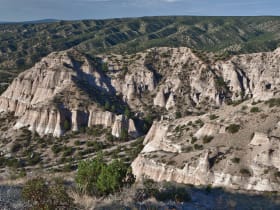
Kasha-Katuwe Tent Rocks National Monument
18 miles away
The cones formed from volcanic ash and pumice laid down by eruptions in the Jemez volcanic field over six million years ago, then eroded into tapering tents wherever a hard cap rock protected the soft...