
Glen Canyon National Recreation Area
691 Scenic View Rd Dr, Page, AZ
Page, AZ
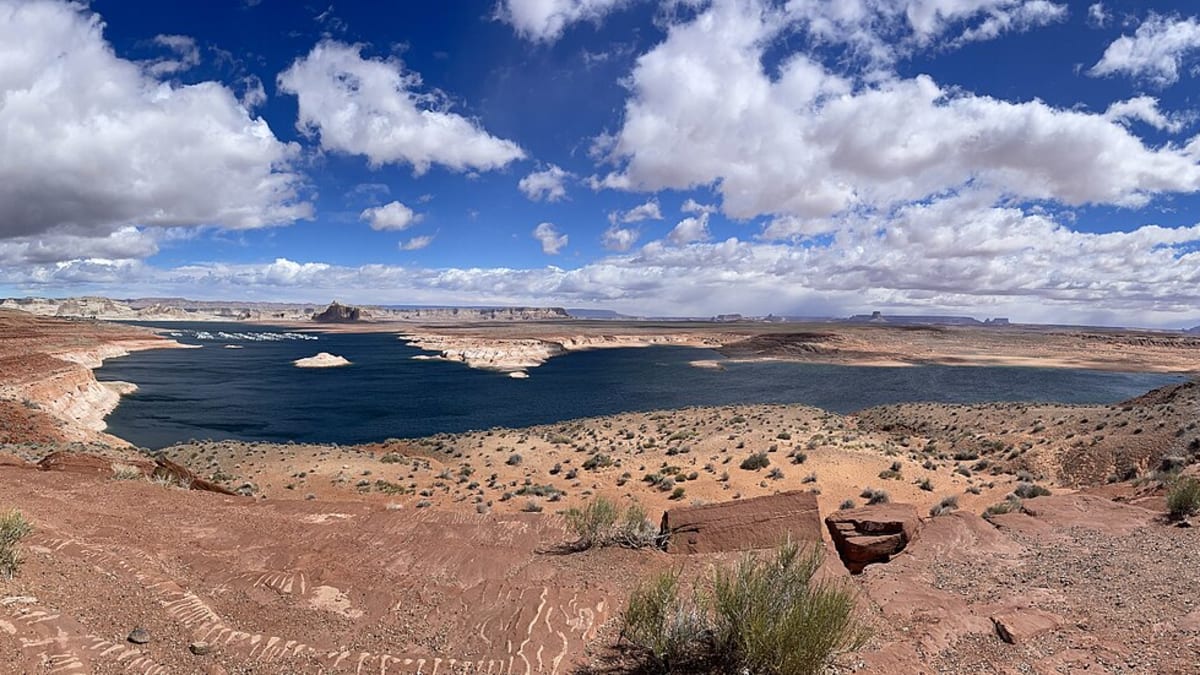
A great blue reservoir threading a labyrinth of red sandstone canyons on the Colorado Plateau, where houseboats drift past cliffs, side canyons, and hidden arches.
Glen Canyon National Recreation Area protects a vast stretch of canyon country along the Colorado River where it crosses from Utah into northern Arizona near the town of Page. Its centerpiece is Lake Powell, an enormous reservoir formed by Glen Canyon Dam, whose blue water reaches back for miles into a labyrinth of red sandstone canyons, coves, and side channels carved into the Colorado Plateau.
Lake Powell is a place of striking contrasts, deep blue water against towering walls of red and orange rock, and much of its magic lies in the hidden side canyons that can only be reached by boat. The recreation area also anchors a region rich in wonders, from the slot canyons and river bends near Page to the ancient bridge of Rainbow Bridge National Monument tucked in a distant arm of the lake.
What Travelers Love
- Boating and houseboating through miles of red-rock canyons on the lake
- Slot side canyons and hidden coves reachable only by water
- The dramatic contrast of deep blue water against red sandstone
- A base near Page for Antelope Canyon, Horseshoe Bend, and the dam
Worth Knowing
- The recreation area is enormous, so much of it is best reached by boat
- Summer heat is intense and the sun off the water is strong, so bring shade and water
- Lake levels rise and fall, which can change what launches and coves are usable
- This is a place many Native nations hold sacred, so treat the canyons with respect
Learn about Glen Canyon National Recreation Area
The dam and the flooding of Glen Canyon
Before there was a lake, there was Glen Canyon itself, a quiet, beautiful stretch of the Colorado River famous for its still water, its sculpted sandstone, and its many side canyons. In the 1950s and 1960s the government built Glen Canyon Dam to store water and generate power for the growing Southwest, and as the reservoir filled it drowned the old canyon, creating Lake Powell in its place.
The dam and the lake remain a subject of deep feeling. To many they opened a spectacular playground of red-rock boating; to others, the drowning of Glen Canyon was a great loss, and the reservoir sits atop places of beauty and meaning now hidden beneath the water. As the lake's level rises and falls with drought and demand, glimpses of the old canyon reappear, a reminder of what lies beneath.
Ancient peoples and sacred ground
This canyon country has been home to Native peoples for thousands of years. The Ancestral Puebloans farmed and built in the region, leaving dwellings, granaries, and rock art in the canyons, and their descendants among today's Pueblo peoples maintain ties to this land. The Navajo Nation borders and surrounds much of the recreation area, and the Navajo, along with the Hopi, Ute, Paiute, and Zuni, hold places within it sacred.
Rainbow Bridge, one of the largest natural bridges in the world, sits in a side arm of the lake and is a deeply sacred site to several tribes. Visitors are asked to treat it and the wider canyon country with respect, staying on trails, leaving rock art and ruins undisturbed, and honoring the spiritual importance this landscape holds for the peoples whose homeland it is.
Wildlife of the canyons and water
Though it looks like harsh rock desert, the canyon country holds a surprising amount of life, and the lake has added a whole aquatic world. Bass, catfish, and other fish draw anglers, while great blue herons, ospreys, and waterfowl work the coves. Bald eagles winter along the water, and peregrine falcons nest on the high cliffs.
Away from the water, the desert supports bighorn sheep on the rocky slopes, along with coyote, jackrabbit, and a variety of lizards and snakes among the rocks and canyons. Cottonwood and willow line the seeps and side canyons, hanging gardens of ferns and wildflowers cling to damp alcoves, and the whole landscape shifts from barren rock to hidden pockets of green.
Season by season
Spring is mild and pleasant, with comfortable days on the water and wildflowers in the side canyons, a fine time before the summer heat and crowds. Summer is hot and the busiest season, when the lake becomes a boating and houseboating playground, and the sun off the water is intense, so shade, water, and an early start matter, while the late-summer monsoon can bring dramatic afternoon storms and flash floods in the slot canyons.
Fall brings warm days, cooler nights, and thinning crowds, one of the most comfortable times to explore the canyons by boat. Winter is cold and quiet, the lake nearly empty of boats, with crisp air, clear skies, and wintering eagles along the water for those who venture out.
Closest Boutels
The closest Boutel™ stays, so you can turn this stop into an overnight. Each is a place we chose through independent editorial review, never a paid placement.
Details
Page, AZ
Frequently asked questions
What is Glen Canyon National Recreation Area?
Glen Canyon National Recreation Area is a vast expanse of canyon country spanning northern Arizona and southern Utah, centered on the sprawling Lake Powell, formed by Glen Canyon Dam on the Colorado River. Encompassing over a million acres of red-rock canyons, mesas, and shoreline, it is a premier destination for boating, houseboating, kayaking, fishing, and exploring hidden slot canyons and the famous Rainbow Bridge. With its striking blend of blue water and towering sandstone, Glen Canyon offers some of the Southwest's most dramatic and adventurous recreation.
What can you do at Glen Canyon and Lake Powell?
You can rent a houseboat or powerboat to explore Lake Powell's countless coves and side canyons, kayak or paddleboard the calmer waters, fish, swim, and camp along the shoreline, and visit the remote Rainbow Bridge, one of the world's largest natural bridges, accessible by boat. On land, you can tour Glen Canyon Dam, hike to overlooks, and marvel at nearby Horseshoe Bend. The combination of water recreation and red-rock scenery makes for endless adventure across this immense playground.
What safety precautions apply at Lake Powell?
On the water, always wear a life jacket, watch for changing weather and sudden winds that can whip up dangerous waves, and be cautious of hidden rocks and cliffs, especially when cliff jumping, which has caused serious injuries and should be approached with great care or avoided. The desert sun and heat are intense, so carry ample water and sun protection. Slot canyons can flash flood, so heed weather warnings. Boating and swimming here are wonderful but demand attention to safety.
When is the best time to visit Glen Canyon National Recreation Area?
Late spring through early fall is prime for water activities, when the weather is warm enough for swimming, boating, and houseboating, though summer is busiest and very hot, so sun protection and hydration are essential. Spring and fall offer pleasant temperatures with fewer crowds for hiking and exploring. Winter is quiet and cold, with reduced services. For the classic Lake Powell experience of boating and water recreation, the warm-weather months are ideal, with shoulder seasons best for avoiding crowds.
What is near Glen Canyon National Recreation Area?
The recreation area is centered near Page, Arizona, close to Horseshoe Bend, the Antelope Canyon slot canyons, and Glen Canyon Dam, with the Grand Canyon's North Rim and the Vermilion Cliffs within reach and the Utah national parks like Zion and Bryce to the north. That makes Glen Canyon and Lake Powell a spectacular centerpiece of a northern Arizona and Southwest adventure, easily combined with the canyon-country wonders around Page and the parks of southern Utah.
Nearby

Horseshoe Bend
12 miles away
Horseshoe Bend is a 270-degree meander of the Colorado River visible from a sandstone cliff 1,100 feet above the water.

Antelope Canyon
15 miles away
Antelope Canyon is a slot canyon carved into Navajo sandstone by flash floods, with smoothly sculpted walls and dramatic light beams that appear mid-day from April through October.

Grand Staircase-Escalante National Monument
17 miles away
Grand Staircase-Escalante is one of the largest and most remote national monuments in the lower 48.

UT-12 Scenic Byway
44 miles away
Utah Highway 12 runs 124 miles from US-89 near Panguitch to Torrey near Capitol Reef, crossing five distinct geological formations and three national park corridors.

Bryce Canyon National Park
55 miles away
The largest concentration of hoodoos on Earth, a natural amphitheater of orange and pink stone spires.