

Cheyenne Bottoms Wildlife Area
118 NW 30 Rd, Great Bend, KS
Great Bend, KS
A vast prairie marsh where millions of migrating birds pause each spring and fall, one of the most important stopovers on the entire central flyway of North America.
Cheyenne Bottoms is the largest inland marsh in the interior United States, a vast wetland filling a natural basin on the central Kansas prairie near Great Bend. Each spring and fall it becomes one of the single most important rest stops for migrating shorebirds and waterfowl anywhere in North America, drawing enormous numbers of birds moving between their northern nesting grounds and their southern wintering grounds.
The scale is hard to grasp until you see it. In peak migration, huge portions of some shorebird species pass through here, feeding and resting in the shallow water before pushing on. The marsh has earned international recognition for its importance to birds, and it makes an unforgettable stop for anyone with even a passing interest in wildlife.
What Travelers Love
- Watching enormous flocks of shorebirds and waterfowl during spring and fall migration
- Driving the dikes for close looks at the marsh and its birds from the car
- A globally recognized birding site, drawing serious birders from far away
- Big sky, water, and grassland in a part of Kansas people don't expect to be wet
Worth Knowing
- Migration in spring and fall is the peak; water levels and bird numbers change year to year
- The interior roads and dikes are unpaved and can be soft or flooded, so check conditions
- Bring binoculars or a spotting scope, insect repellent, and sun protection
- Water levels depend on rain and river flow, so the marsh can be full one year and low the next
Learn about Cheyenne Bottoms Wildlife Area
A basin in the plains
Cheyenne Bottoms lies in a broad, shallow natural basin, a low spot in the plains where water has collected for a very long time. Its exact origins are debated, but the sink appears to have formed through a mix of geologic settling and long erosion, leaving a great catchment with no natural outlet.
Water reaches the marsh from local streams and, in wetter years, from the Arkansas River, and it can rise and fall dramatically depending on rainfall and drought. Today the water is also managed with dikes and pumps to keep habitat available for birds even in dry spells, balancing a naturally boom-and-bust wetland against the needs of migration.
A crossroads of the flyway
The central flyway is one of the great migration corridors of the hemisphere, and Cheyenne Bottoms sits squarely across it. For long-distance migrants, especially shorebirds crossing the continent between the Arctic and South America, a reliable wetland in the middle of the dry plains is a lifeline, a place to refuel for the next leg of an enormous journey.
That is why the marsh matters so far beyond Kansas. A huge share of the continental population of some shorebird species passes through in a matter of weeks each spring, and the loss of a stopover like this could ripple across their whole range. Protecting the Bottoms is protecting a link in a chain that stretches across two continents.
The birds and other wildlife
In migration the marsh fills with sandpipers, plovers, avocets, godwits, and other shorebirds probing the mud, along with ducks, geese, pelicans, herons, egrets, and shorebird-hunting falcons. Rare and hard-to-find species turn up regularly, which is why serious birders travel here from far away.
Beyond the birds, the marsh and its grasslands support fish, frogs, turtles, and mammals, and the whole complex is a rich, living system. The nearby Quivira refuge adds salt marsh and more habitat, so the two together form one of the great wetland stops on the plains.
Season by season
Spring is the headline season, when northbound shorebirds pour through in their breeding colors and the marsh comes alive with movement and sound. Fall brings a second, longer wave of southbound migrants, including big numbers of ducks and geese.
Summer is quieter for migrants but good for nesting marsh birds, and it can be hot and buggy. Winter empties out much of the water and many of the birds, though waterfowl linger when the marsh stays open, and the wide, cold landscape has a stark beauty of its own.
Closest Boutels
The closest Boutel™ stays, so you can turn this stop into an overnight. Each is a place we chose through independent editorial review, never a paid placement.
Evergreen Inn Motel & RV Park
Honorable Mention20001 W. US Highway 54, Pratt, KS
53 miles away|Learn More ›
Prairie Lodge Motel
Honorable Mention1219 Old US Highway 56, Council Grove, KS
125 miles away|Learn More ›
Details
Great Bend, KS
Frequently asked questions
What is the Cheyenne Bottoms wildlife area?
The Cheyenne Bottoms wildlife area, in central Kansas near Great Bend, is the largest interior marsh in the country and one of the most important shorebird migration stopovers in the Western Hemisphere, a wetland of global significance for birds. This vast natural basin of marshes and shallow water hosts staggering numbers of migrating shorebirds, waterfowl, cranes, and other birds, with a huge share of North America's migrating shorebirds passing through during migration, making it a world-renowned birdwatching destination. Auto routes, trails, and observation areas let visitors take in the abundant birdlife and expansive wetland scenery. With its vast marsh and abundant birds, the Cheyenne Bottoms wildlife area offers a fascinating destination in Kansas.
What can you do at the Cheyenne Bottoms wildlife area?
You can drive the auto routes and walk the trails and observation areas through the vast marsh, watch for the enormous numbers of shorebirds, waterfowl, cranes, and other birds, especially during migration, visit the nearby nature center, and photograph the wetlands and wildlife. The world-class birdwatching, the vast marsh landscape, and the sheer numbers of birds during migration are the draws, making it a premier destination for birders. Bringing binoculars greatly enhances a visit. With its marsh and birds, the Cheyenne Bottoms wildlife area offers a rewarding experience in Kansas.
Why is Cheyenne Bottoms so important for birds?
Cheyenne Bottoms is critically important for birds because it is the largest interior marsh in the country and a vital stopover on the Central Flyway, where a huge portion of North America's migrating shorebirds rest and feed during their long journeys, along with vast numbers of waterfowl, cranes, and other birds. This makes it a wetland of hemispheric and global importance for bird conservation, recognized internationally. Its role in sustaining migrating birds gives it outsized significance. Understanding this importance deepens the wonder of a visit to the Cheyenne Bottoms wildlife area in Kansas.
When is the best time to visit the Cheyenne Bottoms wildlife area?
The spring and fall migration seasons offer the most spectacular birdwatching, when enormous numbers of shorebirds, waterfowl, and cranes pass through, with spring especially famous for shorebird migration, while summer is quieter and warmer. Early morning and evening offer the best viewing, and bringing binoculars is essential. For the most spectacular birdwatching, aim for the spring or fall migration at the Cheyenne Bottoms wildlife area in Kansas.
What is near the Cheyenne Bottoms wildlife area?
The Cheyenne Bottoms wildlife area is in central Kansas near Great Bend, within reach of Quivira National Wildlife Refuge to the south, the Kansas Barbed Wire Museum in La Crosse, Hutchinson with the Kansas Cosmosphere and Strataca, and the central Kansas plains. That makes the Cheyenne Bottoms wildlife area a fascinating stop to combine with Quivira National Wildlife Refuge and the other attractions of central Kansas on a visit to the state.
Nearby
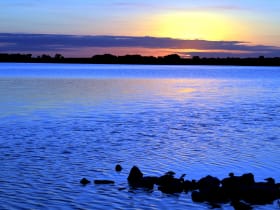
Quivira National Wildlife Refuge
25 miles away
Quivira NWR: Wildlife Drive, Stafford (west of Stafford on KS-19). Free, open daily dawn-dusk. 14-mile auto tour route. Big Salt Marsh overlook: best for scanning large flocks.

Kansas Barbed Wire Museum
29 miles away
Kansas Barbed Wire Museum: 120 W 1st St, La Crosse. Displays more than 2,400 varieties of barbed wire plus fencing tools and range-war history.
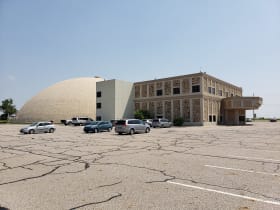
Sternberg Museum of Natural History
43 miles away
Sternberg Museum: 3000 Sternberg Dr, Hays. Open Tuesday-Saturday and Sunday afternoons. Admission is charged. Allow 2 hours.