

Chesapeake Bay Maritime Museum
308 Watkins Ln, St Michaels, MD
St Michaels, MD
A whole waterfront campus of Chesapeake boats, a lighthouse you can climb, and a working boatyard, in one of the prettiest harbor towns on the Eastern Shore.
The Chesapeake Bay Maritime Museum is not a single building but a whole waterfront campus devoted to the boats, people, and traditions of the Chesapeake Bay. Set on the harbor in the sailing town of St Michaels, it holds one of the largest collections of Chesapeake watercraft in existence, from log canoes and oyster-dredging boats to the distinctive skipjacks that once worked the bay under sail, all telling the story of a region defined by its water.
Its signature landmark is the Hooper Strait Lighthouse, a hexagonal screwpile lighthouse rescued from the bay and reassembled on the museum grounds, where visitors can climb inside and see how a keeper's family once lived. Add a working boatyard where craftspeople restore traditional wooden vessels, exhibits on watermen and the seafood trade, and the pretty harbor all around, and the museum captures the living heritage of the Chesapeake as well as anywhere.
What Travelers Love
- The historic Hooper Strait Lighthouse, a screwpile light you can climb and explore
- One of the largest collections of Chesapeake Bay watercraft anywhere
- A working boatyard where traditional wooden boats are restored before your eyes
- The lovely harbor setting in the sailing town of St Michaels
Worth Knowing
- The campus is spread out along the water, so allow a few hours and expect some walking
- The museum welcomes visitors and keeps regular hours; some rides and demonstrations are seasonal
- St Michaels fills up on summer weekends, so arrive early to enjoy town and museum both
- It pairs beautifully with a harbor cruise, a waterfront lunch, or a stroll around town
Learn about Chesapeake Bay Maritime Museum
The boats of the Chesapeake
The Chesapeake developed its own distinctive family of working boats, shaped by the shallow waters, the harvest of oysters and crabs, and generations of local boatbuilders. The museum's floating and displayed fleet includes log-hulled canoes descended from Native designs, sailing skipjacks that dredged oysters, buyboats, workboats, and small craft of many kinds, one of the great gatherings of these vessels anywhere.
Walking among them, you can trace how the bay's watermen adapted their boats to the work and the water, and how those designs evolved over time. Some of the vessels still float at the museum's docks, and on operating days visitors may see traditional boats in action, keeping alive skills and sights that were once part of everyday life along every creek and harbor of the Chesapeake.
The Hooper Strait Lighthouse
The museum's most recognizable feature is the Hooper Strait Lighthouse, a hexagonal cottage-style screwpile lighthouse that once stood out in the bay, its legs screwed down into the muddy bottom. Threatened with demolition, it was moved to the museum and restored, and today it is one of only a handful of these once-common bay lighthouses left standing.
Visitors can climb inside and see the keeper's quarters furnished as they might have been, along with the lamp room at the top and views out over the harbor. The lighthouse gives a vivid sense of the isolated, watchful life of the men who kept the bay's navigation lights burning, and it has become the enduring image of the museum itself.
A living boatyard and the watermen's world
Unlike a museum where everything sits behind glass, the Chesapeake Bay Maritime Museum keeps a working boatyard on its campus, where shipwrights and apprentices restore and build traditional wooden boats using time-honored techniques. Visitors can watch the work in progress, smell the wood and varnish, and see maritime craftsmanship kept alive rather than merely remembered.
Surrounding exhibits tell the human story of the bay: the watermen who tong and dredge for oysters and trap crabs, the packing houses and the seafood trade, and the rhythms of a life bound to tide and season. Together they honor the working culture of the Chesapeake, a heritage still very much present in the towns and harbors of the Eastern Shore.
St Michaels and the Eastern Shore
The museum shares its harbor with St Michaels, one of the loveliest towns on the Eastern Shore, known for its handsome old houses, tree-lined streets, and a story that it once fooled a British fleet during the War of 1812 by hanging lanterns in the treetops to misdirect their fire. Its walkable main street is full of shops, galleries, inns, and restaurants a short stroll from the museum gates.
Beyond town, the tidewater country of Talbot County offers more to explore, from the arts and history of nearby Easton to the quiet ferry town of Oxford across the river. A day at the museum slips naturally into a broader visit to this graceful, water-laced corner of Maryland.
Closest Boutels
The closest Boutel™ stays, so you can turn this stop into an overnight. Each is a place we chose through independent editorial review, never a paid placement.
Details
St Michaels, MD
Frequently asked questions
What is the Chesapeake Bay Maritime Museum?
The Chesapeake Bay Maritime Museum occupies an eighteen-acre waterfront campus in the charming town of St. Michaels on Maryland's Eastern Shore. It is the premier institution dedicated to the maritime history, culture, and ecology of the entire Chesapeake Bay region. Home to a historic lighthouse, a working boatyard, and the world's largest collection of Chesapeake Bay boats, it offers an immersive, hands-on look at the bay's watermen, oystering, boatbuilding, and way of life.
What can you see at the Chesapeake Bay Maritime Museum?
Highlights include climbing the 1879 Hooper Strait screwpile lighthouse for lovely water views, exploring exhibits on oystering, crabbing, and steamboats across many historic buildings, and watching shipwrights restore wooden boats in the working boatyard. At Waterman's Wharf, you can try pulling up a crab or eel pot, and seasonal river cruises offer time on the water. The museum's huge collection of traditional bay boats brings the region's maritime heritage vividly to life.
How much time do you need at the Chesapeake Bay Maritime Museum?
You can see the highlights in as little as ninety minutes, but exploring all the exhibition buildings takes closer to three or four hours, so allow ample time and arrive early, since there is a lot to see. Conveniently, admission is good for two consecutive days, letting you spread out your visit. Checking the museum's website for special activities, like a working boat experience or a river cruise, helps you plan around anything extra you want to do.
When is the best time to visit the Chesapeake Bay Maritime Museum?
The museum is open daily year-round, and while the indoor exhibits are enjoyable in any weather, the waterfront setting, the boatyard, the lighthouse, and the seasonal river cruises are most pleasant in the warmer months from spring through fall. Weekdays tend to be quieter than weekends. Arriving early in the day gives you the most time to explore the extensive campus at a relaxed pace.
What is near the Chesapeake Bay Maritime Museum?
The museum is in St. Michaels, a lovely waterfront town on the Eastern Shore known for its shops, galleries, restaurants, and marinas, all within easy walking distance. The nearby towns of Easton and Oxford add more historic charm, and the scenic Chesapeake countryside surrounds the area. That makes the maritime museum an easy centerpiece for a relaxed day or weekend exploring the picturesque towns and waterfront of Maryland's Eastern Shore.
Nearby

Academy Art Museum
7.8 miles away
People do not expect a museum with Rembrandt and Durer prints in a small Eastern Shore town, but Easton has one.
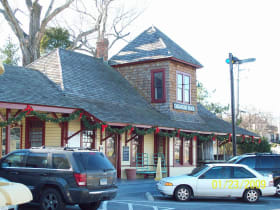
Chesapeake Beach Railway Museum
18 miles away
Few people realize that a century ago a railroad ran crowds from Washington straight to an amusement park on the Chesapeake.

Blackwater National Wildlife Refuge
24 miles away
Blackwater is the wild heart of the lower Eastern Shore, more than 28,000 acres where the land barely rises above the tide and marsh runs to the horizon.